How Lung High Blood Pressure Affects Heart Ultrasounds in Young Dairy Cows

Greg Howard
18th February, 2025

How Lung High Blood Pressure Affects Heart Ultrasounds in Young Dairy Cows
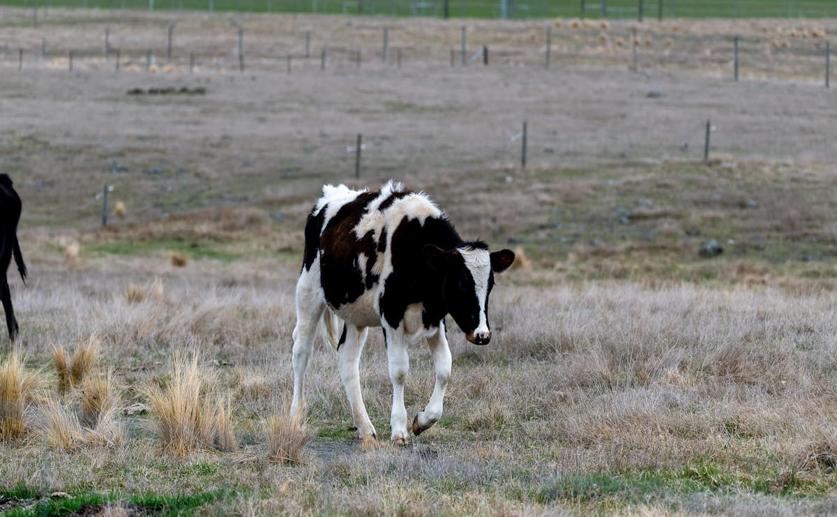
Image Source: Ravish Maqsood (photographer)

Key Findings

  • In Italy, scientists used advanced ultrasound to detect lung infections early in young dairy calves
  • Calves with pneumonia showed minor heart changes even before showing obvious symptoms
  • Early detection with ultrasound helps manage respiratory health, promoting healthier dairy cattle
Bovine respiratory disease (BRD) remains a prevalent and intricate health issue affecting calves worldwide. Early detection of BRD is challenging, particularly in its subclinical forms where visible symptoms are minimal or absent. Advances in diagnostic techniques, such as thoracic ultrasonography (TUS), have shown promise in improving the identification and management of respiratory conditions in young cattle[2][3]. A recent study conducted by researchers at the Università degli Studi di Milano in Lodi, Italy[1] has further explored the relationship between bronchopneumonia and cardiovascular changes in preweaned dairy calves, shedding light on the nuanced impacts of respiratory ailments. In the context of BRD, TUS has been instrumental in distinguishing between various forms of respiratory disease. Previous research highlighted the utility of TUS in identifying lung consolidations, which are indicative of pneumonia, even in the absence of overt clinical signs[2]. Moreover, the accuracy of TUS in diagnosing BRD has been compared to simpler scoring systems, such as the Calf Respiratory Scoring Chart (CRSC), which, while easier to use, may not match the diagnostic precision of TUS[3]. These studies underline the importance of reliable diagnostic tools in managing BRD effectively. Building on this foundation, the study by the Università degli Studi di Milano aimed to investigate whether bronchopneumonia (BP) in calves is associated with pulmonary hypertension (PH) and other cardiovascular alterations. PH is a condition characterized by increased blood pressure within the arteries of the lungs, which can lead to significant cardiovascular strain. Understanding the link between BP and PH is crucial, as it may influence both the immediate health and the long-term development of affected calves. The researchers selected 164 calves from 11 commercial dairy farms and conducted a case-control study. Using TUS, they categorized the calves into two groups: those with normally aerated lungs (control group) and those diagnosed with lobar BP. Both groups underwent transthoracic Doppler echocardiography (TTE), a non-invasive imaging technique that assesses heart function and blood flow. The findings revealed that three echocardiographic measurements differed significantly between healthy calves and those with BP. Specifically, the internal diameters of the left ventricle during systole (LVIDs) and diastole (LVIDd) were smaller in BP-affected calves. Additionally, the diameter of the pulmonary artery in end-diastole (PAdia) was larger in the BP group compared to healthy controls. Importantly, these differences, while statistically significant, remained within normal reference ranges. This suggests that BP can be identified early through TUS without substantial cardiac disturbances, emphasizing TUS's effectiveness in early BRD detection. These results align with earlier studies that demonstrated the benefits of TUS in diagnosing respiratory diseases[2][3]. By confirming that BP affects cardiovascular parameters even before overt symptoms emerge, the study underscores the intertwined nature of respiratory and cardiovascular health in calves. Furthermore, this relationship may have implications for growth and development, as indicated by previous research linking BRD to reduced average daily gain (ADG) in calves[2]. Although the current study did not directly assess growth metrics, the identification of BP-related cardiovascular changes could pave the way for more comprehensive health assessments that consider both respiratory and growth outcomes. Additionally, the implications of respiratory health extend beyond the immediate well-being of the calves. Earlier studies have shown that lung consolidation at weaning can negatively impact reproductive performance and survival in heifers[4]. While the current study focused on preweaned calves, understanding the early cardiovascular impacts of BP could contribute to broader strategies aimed at improving long-term health and productivity in dairy herds. The methodology employed in this study, particularly the use of TTE alongside TUS, offers a valuable framework for future research and practical applications in dairy farming. By utilizing both imaging techniques, veterinarians and farmers can gain a more comprehensive understanding of a calf's health, allowing for timely interventions that could mitigate the adverse effects of BRD[2][3]. In conclusion, the study from the Università degli Studi di Milano highlights the subtle yet significant cardiovascular changes associated with bronchopneumonia in preweaned calves. By leveraging advanced diagnostic tools like TUS and TTE, the research contributes to more effective detection and management of BRD, ultimately supporting healthier and more productive dairy cattle populations.

MedicineAgricultureAnimal Science

References

Main Study

1) Echocardiographic Changes Related to Pulmonary Hypertension in Preweaned Dairy Calves With Bronchopneumonia: A Case-Control Study in Commercial Dairy Farms.

Published 17th February, 2025

https://doi.org/10.1111/jvim.70020


Related Studies

2) Effect of ultrasonographic lung consolidation on health and growth in dairy calves: A longitudinal study.

https://doi.org/10.3168/jds.2023-23296


3) Bayesian estimation of the accuracy of the calf respiratory scoring chart and ultrasonography for the diagnosis of bovine respiratory disease in pre-weaned dairy calves.

https://doi.org/10.1016/j.prevetmed.2015.02.018


4) Thoracic ultrasound assessment of lung consolidation at weaning in Holstein dairy heifers: Reproductive performance and survival.

https://doi.org/10.3168/jds.2016-12016


Related Articles

An unhandled error has occurred. Reload 🗙