Natural Additives Boost Hormones and Fertility for Re-Pregnancy While Nursing

Jenn Hoskins
14th February, 2025

Natural Additives Boost Hormones and Fertility for Re-Pregnancy While Nursing

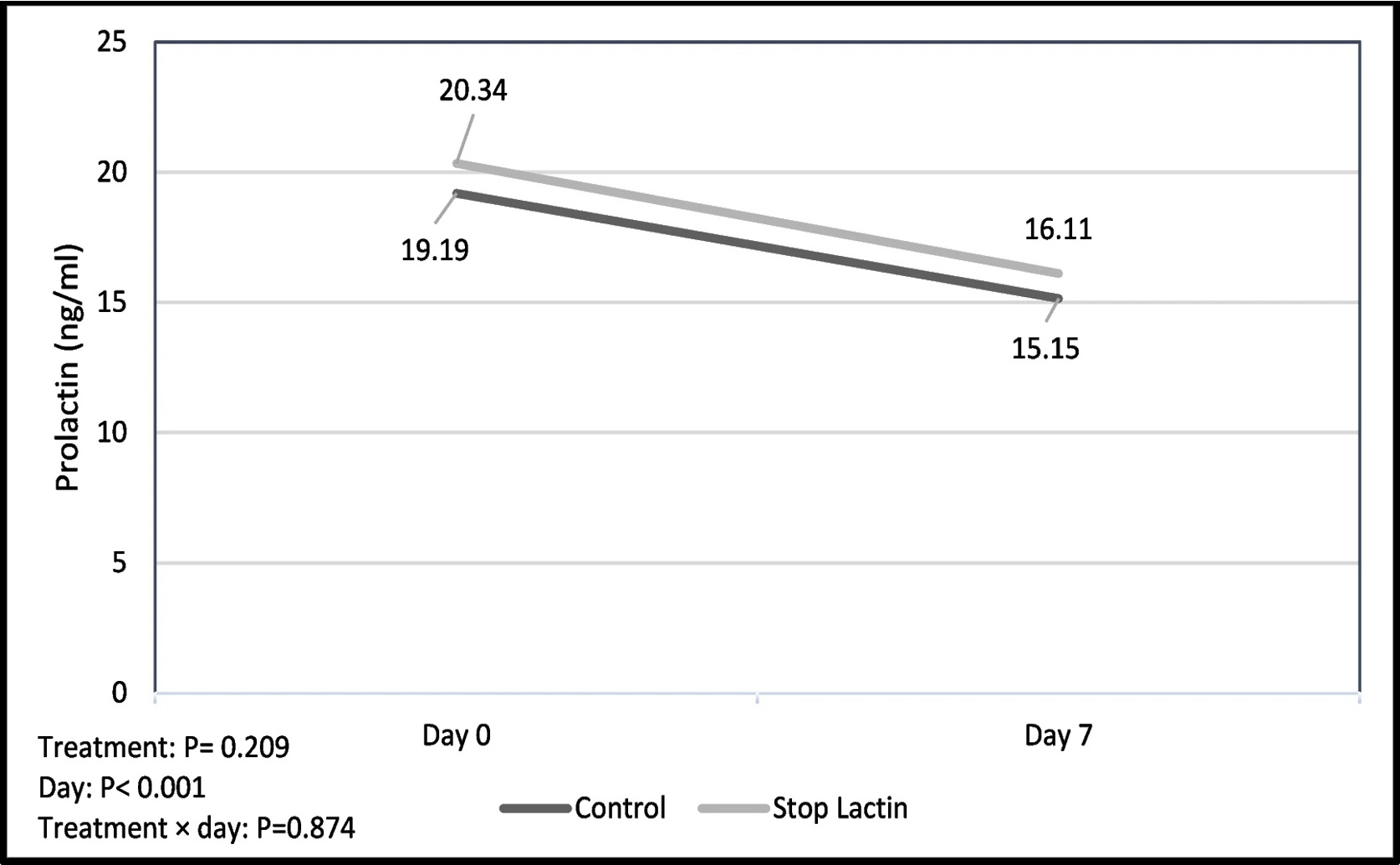
The anti-galactagogue and anti-inflammatory feed supplement had no significant effect on serum prolactin levels in lactating Merino ewes, which decreased similarly in both treatment and control groups over seven days.

Image adapted from: Kutlu et al. / CC BY (Source)

Key Findings

  • A study in Konya, Turkey tested feed supplements on Merino sheep to lower prolactin levels
  • The supplements did not significantly improve fertility rates or reduce prolactin in the treated sheep
  • This suggests that these dietary changes are not effective for enhancing reproduction in lactating ewes
Prolactin, a hormone crucial for milk production, plays a significant role in the reproductive physiology of sheep. Understanding how prolactin levels influence fertility in lactating ewes is essential for improving breeding programs and ensuring successful re-pregnancy. A recent study conducted by Necmettin Erbakan University in Konya, Turkey, aimed to investigate whether specific feed supplements could modulate prolactin levels and enhance fertility in lactating Merino ewes[1]. The study focused on two types of feed supplements: anti-galactagogues, which include sage and parsley extracts, and anti-inflammatory agents like echinacea extract. These supplements were chosen based on the hypothesis that reducing prolactin levels might improve reproductive outcomes in lactating ewes. Eighty Merino ewes were divided into two groups: a control group and a treatment group receiving the Stop Lactin® supplement. The treatment was administered orally on the first day, and both groups underwent a synchronized breeding protocol involving hormonal treatments to induce estrus and ovulation. The researchers monitored several reproductive parameters, including conception rates, embryonic and fetal mortality, lambing rates, twin rates, and overall litter size. Additionally, serum prolactin levels were measured to assess the hormonal impact of the supplements. The results revealed that there were no significant differences between the control and treatment groups in most reproductive outcomes. Specifically, conception rates were 87.2% in the control group compared to 78.1% in the Stop Lactin group, and lambing rates were 79.4% versus 92%, respectively. While estrus rates tended to be higher in the control group (97.5%) compared to the treatment group (82.1%), and pregnancy rates were significantly higher in the control group (85.0% vs. 64.1%), the treatment had no meaningful effect on serum prolactin levels. These findings suggest that the anti-galactagogue and anti-inflammatory supplements used in the study do not effectively reduce prolactin concentrations or enhance fertility in lactating Merino ewes. This outcome contrasts with previous research indicating that prolactin plays a critical role in maintaining lactation and potentially influencing reproductive hormones. For instance, earlier studies have shown that endogenous opioid peptides (EOP) inhibit the GnRH/LH axis in lactating sheep, impacting reproductive hormone secretion[2]. Additionally, research on the rapid rebreeding of lactating ewes highlighted the challenges of achieving high fertility rates without compromising lactation[3]. Another study emphasized the galactopoietic role of prolactin in dairy cows, demonstrating that manipulating prolactin levels could affect milk production and mammary gland function[4]. The current study builds on these findings by exploring whether dietary interventions can modulate prolactin levels to improve fertility. However, the lack of significant changes in prolactin levels and reproductive outcomes indicates that the relationship between prolactin, lactation, and fertility is complex and may not be easily altered through feed supplements alone. It is possible that the mechanisms regulating prolactin and its effects on reproduction involve multiple factors that were not addressed by the supplements used in this study. Furthermore, the study’s results contribute to the broader understanding of reproductive management in sheep. While selecting for fertility traits has shown promise in enhancing the reproductive performance of ewes[3], the use of feed supplements like anti-galactagogues and anti-inflammatories does not appear to offer a straightforward solution. This insight is valuable for farmers and researchers aiming to balance lactation with reproductive efficiency, particularly in forage-based production systems where early weaning may not be desirable. The findings also align with previous research on prolactin’s role in mammary gland physiology. Although prolactin is essential for maintaining milk production, its suppression did not translate into improved fertility in this study. This outcome suggests that simply reducing prolactin levels without addressing other hormonal and physiological factors may not achieve the desired reproductive benefits. Future research could explore alternative methods of modulating prolactin or investigate other hormonal pathways that influence fertility in lactating ewes. In conclusion, the study from Necmettin Erbakan University provides important evidence that anti-galactagogue and anti-inflammatory feed supplements do not significantly impact prolactin levels or enhance fertility in lactating Merino ewes. This research highlights the need for continued investigation into the hormonal regulation of reproduction in sheep and underscores the complexity of managing fertility alongside lactation. By integrating these findings with previous studies, researchers can better understand the intricate balance between milk production and reproductive success, ultimately contributing to more effective breeding strategies in sheep farming.

HerbsAgricultureAnimal Science

References

Main Study

1) The effects of anti-galactagogue (sage, parsley extract) and anti-inflammatory (echinacea extract) feed supplements on prolactin levels and fertility in the re-pregnancy of lactating Merino ewes.

Published 13th February, 2025

https://doi.org/10.1007/s11250-025-04308-8


Related Studies

2) Different types of opioid receptors involved in the suppression of LH secretion in lactating sheep.

https://doi.org/10.1016/j.anireprosci.2013.07.006


3) Strategies for rapid rebreeding of lactating ewes in the spring.

https://doi.org/10.1017/S1751731114000500


4) New developments on the galactopoietic role of prolactin in dairy ruminants.

https://doi.org/10.1016/j.domaniend.2011.12.007


Related Articles

An unhandled error has occurred. Reload 🗙