
Comparing Energy and Environmental Impact of Standard and Smart Sprayers
Jenn Hoskins
17th February, 2025


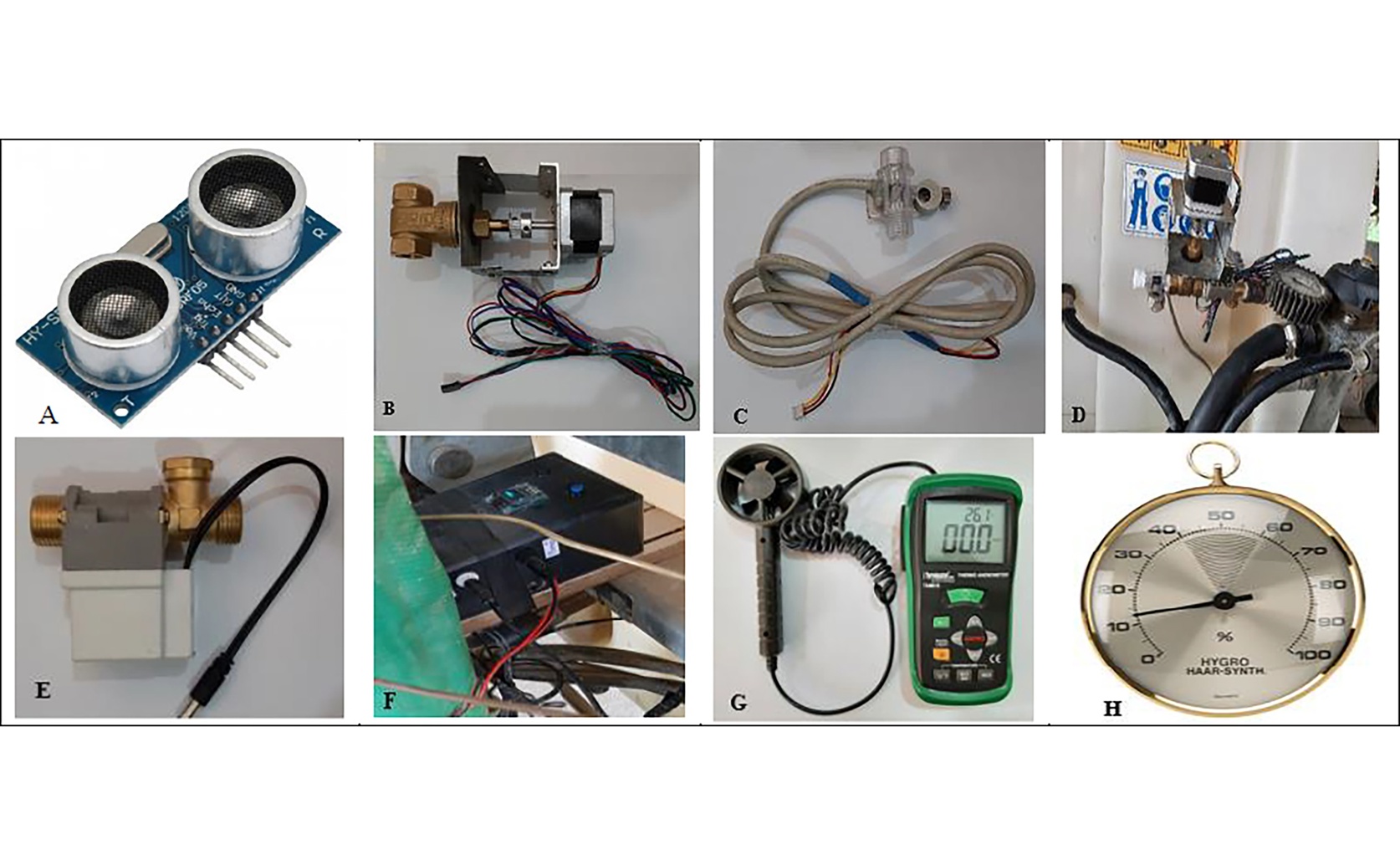
The conventional sprayer was converted into a smart, variable-rate system by installing key components like an ultrasonic sensor (A), a variable-rate valve (B), a flowmeter (C), and an ON/OFF solenoid valve (E), shown assembled on the sprayer (D), which enabled the significant reductions in pesticide use and environmental impact found in the study.
Key Findings
- Researchers at the University of Khuzestan found that smart sprayers cut pesticide waste in orange orchards by nearly half
- These smart sprayers boost energy efficiency and productivity, helping farmers save on costs
- They also reduce environmental impact by lowering emissions and minimizing pollution
AgricultureEnvironmentSustainability
References
Main Study
1) Energy-environmental evaluation of conventional and variable rate technology sprayer; application of Life Cycle Assessment.
Published 14th February, 2025
https://doi.org/10.1371/journal.pone.0314911
Related Studies
2) Spray pesticide applications in Mediterranean citrus orchards: Canopy deposition and off-target losses.
3) Chemical footprint of pesticides used in citrus orchards based on canopy deposition and off-target losses.
4) Spray Drift from a Conventional Axial Fan Airblast Sprayer in a Modern Orchard Work Environment.
Related Articles
 17th July, 2024 | Jenn Hoskins