How Herbicides Affect Conservation Tillage Adoption by Corn and Soybean Farmers

Greg Howard
19th November, 2024

How Herbicides Affect Conservation Tillage Adoption by Corn and Soybean Farmers

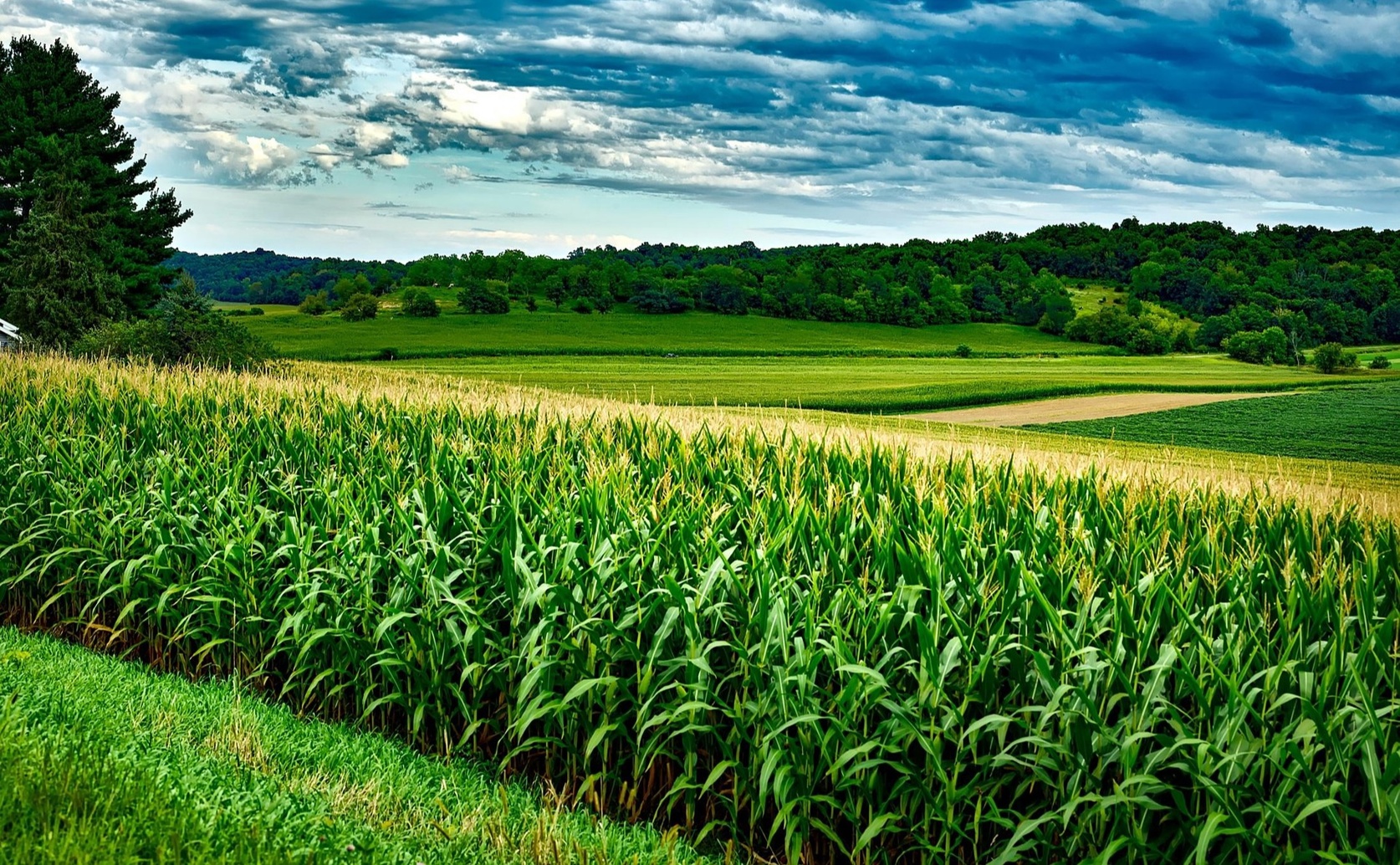
Corn, soybean crop fields.

Pixabay

Key Findings

  • The study analyzed herbicide use and conservation tillage among U.S. field corn and soybean producers
  • Herbicide use before planting was significantly higher for those practicing conservation tillage
  • Pre-emergent glyphosate use was the strongest predictor of adopting conservation tillage
Herbicide use is a critical component of modern agricultural practices, particularly for controlling weeds and facilitating conservation tillage. Conservation tillage, which minimizes soil disturbance, has been linked to various environmental benefits, including reduced soil erosion and improved water retention. However, the relationship between conservation tillage and herbicide use has been a topic of debate and policy relevance for decades. Previous studies have not consistently demonstrated higher herbicide usage among producers practicing conservation tillage, often due to not fully accounting for other factors[1]. A recent study conducted by the United States Department of Agriculture (USDA) aimed to provide a more comprehensive understanding of this relationship by analyzing the most recent, nationally representative data. This study had two main objectives: to describe trends and compare conservation tillage and herbicide usage among field corn and soybean producers, and to employ a Classification and Regression Tree (CART) model to evaluate the importance of herbicide use for conservation tillage adoption while accounting for other factors. The study found that herbicide usage pre-emergence was significantly higher among producers practicing conservation tillage for both field corn and soybeans. However, there were no consistent, significant differences in herbicide usage post-emergence. This finding aligns with previous research indicating that herbicide use is crucial for effective weed control in conservation tillage systems[2][3][4]. The use of CART analysis, a novel methodology in this context, provided additional insights. CART models are nonparametric decision tree methodologies that efficiently segment populations into meaningful subgroups based on various predictors. This approach revealed that pre-emergent use of glyphosate, a widely used herbicide, was the strongest predictor of conservation tillage adoption for field corn in 2016 and soybeans in 2018. The predicted probabilities of adopting conservation tillage based on pre-emergent glyphosate use ranged from 0.83 to 0.86, indicating a strong association. Other factors, such as the use of crop rotations, the presence of highly erodible land, geographic region, and farm size, also emerged as strong predictors of conservation tillage adoption. These findings underscore the complexity of herbicide use in conservation tillage systems and highlight the need to consider multiple agronomic and economic factors when evaluating herbicide usage patterns. The study's use of CART analysis offers distinct advantages over traditional regression modeling, as it can handle complex interactions between variables and provide a more nuanced understanding of the factors influencing conservation tillage adoption. This methodological approach is particularly valuable for public health and agricultural research, where identifying at-risk populations and understanding behavior patterns are crucial[5]. In summary, the USDA study provides a timely and comprehensive analysis of herbicide use in conservation tillage systems for U.S. field corn and soybeans. By employing advanced statistical techniques and accounting for various agronomic and economic factors, the study offers valuable insights into the role of herbicides in modern agricultural practices. These findings contribute to ongoing discussions about sustainable farming practices and the environmental impact of herbicide use, reinforcing the importance of considering multiple factors in agricultural policy and decision-making.

AgricultureEnvironmentSustainability

References

Main Study

1) The relative importance of herbicide use for conservation tillage adoption by U.S. corn and soybean producers.

Published 18th November, 2024

https://doi.org/10.1371/journal.pone.0311960


Related Studies

2) Market-level assessment of the economic benefits of atrazine in the United States.

https://doi.org/10.1002/ps.3703


3) The history and current status of glyphosate.

https://doi.org/10.1002/ps.4652


4) Genetically engineered crops and pesticide use in U.S. maize and soybeans.

https://doi.org/10.1126/sciadv.1600850


5) Classification and regression tree analysis in public health: methodological review and comparison with logistic regression.

Journal: Annals of behavioral medicine : a publication of the Society of Behavioral Medicine, Issue: Vol 26, Issue 3, Dec 2003


Related Articles

An unhandled error has occurred. Reload 🗙