How Silymarin and Gut Bacteria Interact in Healthy Young and Older Adults

Greg Howard
1st November, 2024

How Silymarin and Gut Bacteria Interact in Healthy Young and Older Adults

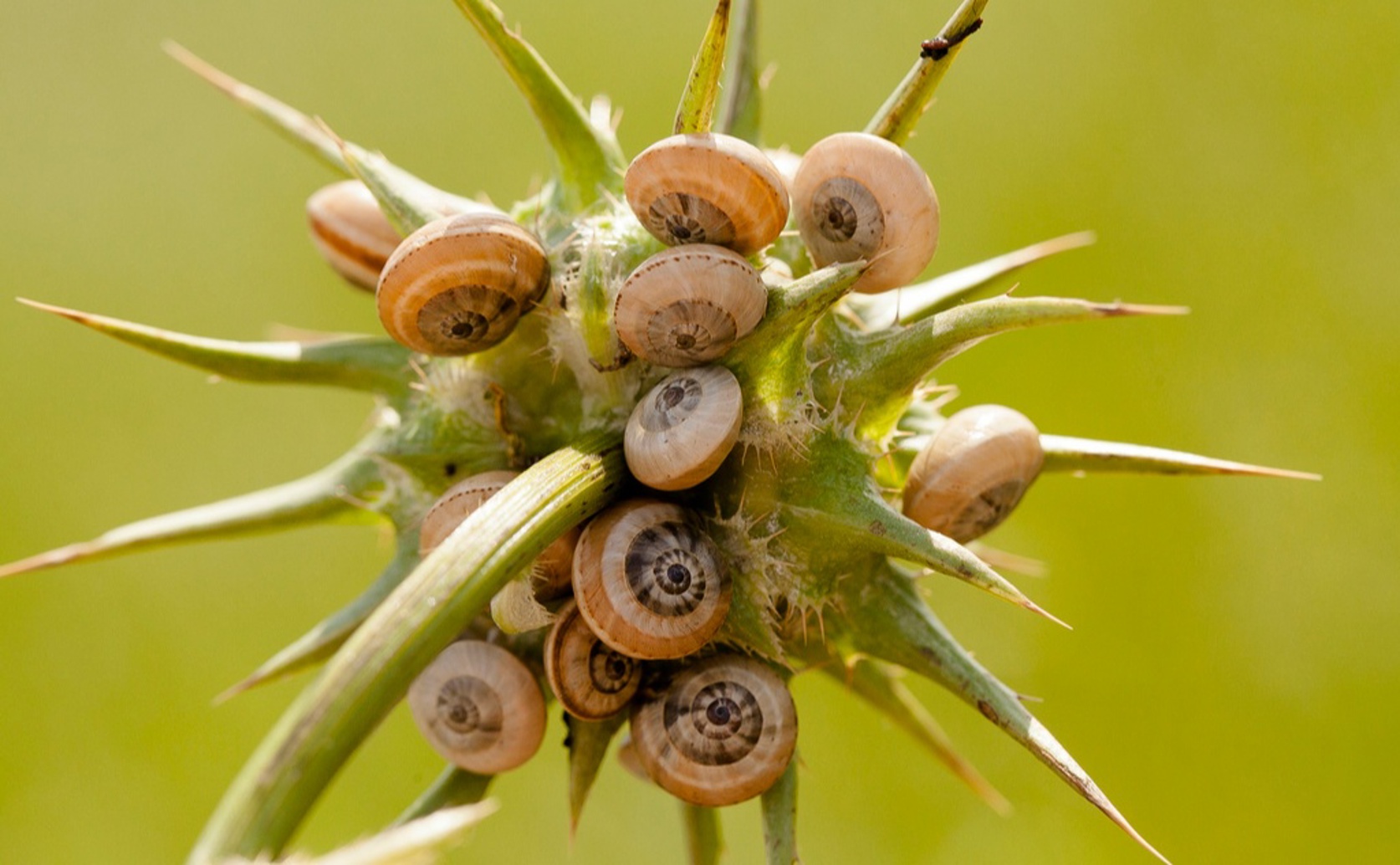
Milk thistle (Silybum marianum)

Photo adapted from: Gianmaria Bonari / CC BY (Source)

Key Findings

  • The study by the Czech University of Life Sciences Prague found that silymarin at a low dose significantly altered gut microbiota metabolism
  • Silymarin reduced the production of short-chain fatty acids, decreased glucose utilization, and increased the variety of microbial species in the gut
  • Age-related differences were observed: elderly donors had increased specific catabolites, while younger donors showed faster breakdown of silymarin components
The recent study by the Czech University of Life Sciences Prague investigates the complex interactions between gut microbiota and silymarin metabolism, shedding light on how these interactions vary across different age groups[1]. Silymarin, a well-known extract from the milk thistle plant (Silybum marianum), is primarily used for its liver-protective properties. However, its effectiveness and metabolic pathways remain subjects of ongoing research. Silymarin is composed of several flavonolignans, including silybin, isosilybin, silychristin, and silydianin. These compounds have been studied for their hepatoprotective, antiviral, neuroprotective, and cardioprotective activities[2]. Despite its medicinal applications, silymarin's low oral bioavailability and potential drug interactions have raised concerns[3]. This study aims to explore how gut microbiota influences silymarin metabolism and vice versa, and how these interactions differ between younger and older individuals. The researchers used an in vitro fermentation colon model with microbiota from 20 healthy donors divided into two age groups: young (12-45 years) and elderly (70-80 years). Advanced analytical techniques, including proton nuclear magnetic resonance (1H NMR), next-generation sequencing (NGS), and liquid chromatography-mass spectrometry (LC-MS), were employed to analyze silymarin microbial metabolites, overall metabolome, and microbiota composition over a 24-hour period. The study found that silymarin at a low diet-relevant dose of 50 µg mL-1 significantly altered gut microbiota metabolism. Specifically, it reduced the production of short-chain fatty acids (acetate, butyrate, propionate), decreased glucose utilization, and increased alpha-diversity, which is a measure of the variety of microbial species present. These findings suggest that silymarin can influence gut microbiota composition and metabolic activity even at low doses. Interestingly, the study revealed age-related differences in silymarin catabolism. In elderly donors, there was a significant increase in a specific catabolite associated with Oscillibacter sp., a type of gut bacteria. In contrast, younger donors exhibited a faster breakdown of silymarin components, particularly isosilybin B. This faster breakdown was associated with higher abundances of Faecalibacterium and Erysipelotrichaceae UCG-003, both of which are beneficial gut bacteria. These findings align with previous research indicating that the composition and function of gut microbiota can vary significantly with age[4]. The study also provides insights into the metabolism of dietary flavonolignans like silymarin, which do not act as antioxidants in vivo but rather as specific ligands for biological targets[2]. This understanding could lead to age-specific nutritional strategies that optimize the benefits of silymarin and other dietary polyphenols. The study's multi-omic approach, combining various advanced analytical techniques, offers a comprehensive view of the interactions between gut microbiota and silymarin. This methodology allows for a detailed understanding of how different age groups metabolize silymarin, providing valuable information for developing targeted therapeutic interventions. In conclusion, this study advances our understanding of the complex interactions between gut microbiota and silymarin metabolism. It highlights the importance of considering age-related differences when evaluating the efficacy and safety of silymarin as a dietary supplement or therapeutic agent. The findings could pave the way for more personalized and effective use of silymarin in promoting liver health and managing other conditions. Further research is needed to explore these interactions in human subjects and to determine the clinical implications of these findings.

MedicineHealthBiochem

References

Main Study

1) Mutual Interactions of Silymarin and Colon Microbiota in Healthy Young and Healthy Elder Subjects.

Published 30th October, 2024

https://doi.org/10.1002/mnfr.202400500


Related Studies

2) Silybin and its congeners: from traditional medicine to molecular effects.

https://doi.org/10.1039/d2np00013j


3) Systematic review of pharmacokinetics and potential pharmacokinetic interactions of flavonolignans from silymarin.

https://doi.org/10.1002/med.21791


4) Silymarin impacts on immune system as an immunomodulator: One key for many locks.

https://doi.org/10.1016/j.intimp.2017.06.030


Related Articles

An unhandled error has occurred. Reload 🗙