Longan seed waste shows promise as a cheap, natural water purifier

Jim Crocker
29th January, 2026

Longan seed waste shows promise as a cheap, natural water purifier

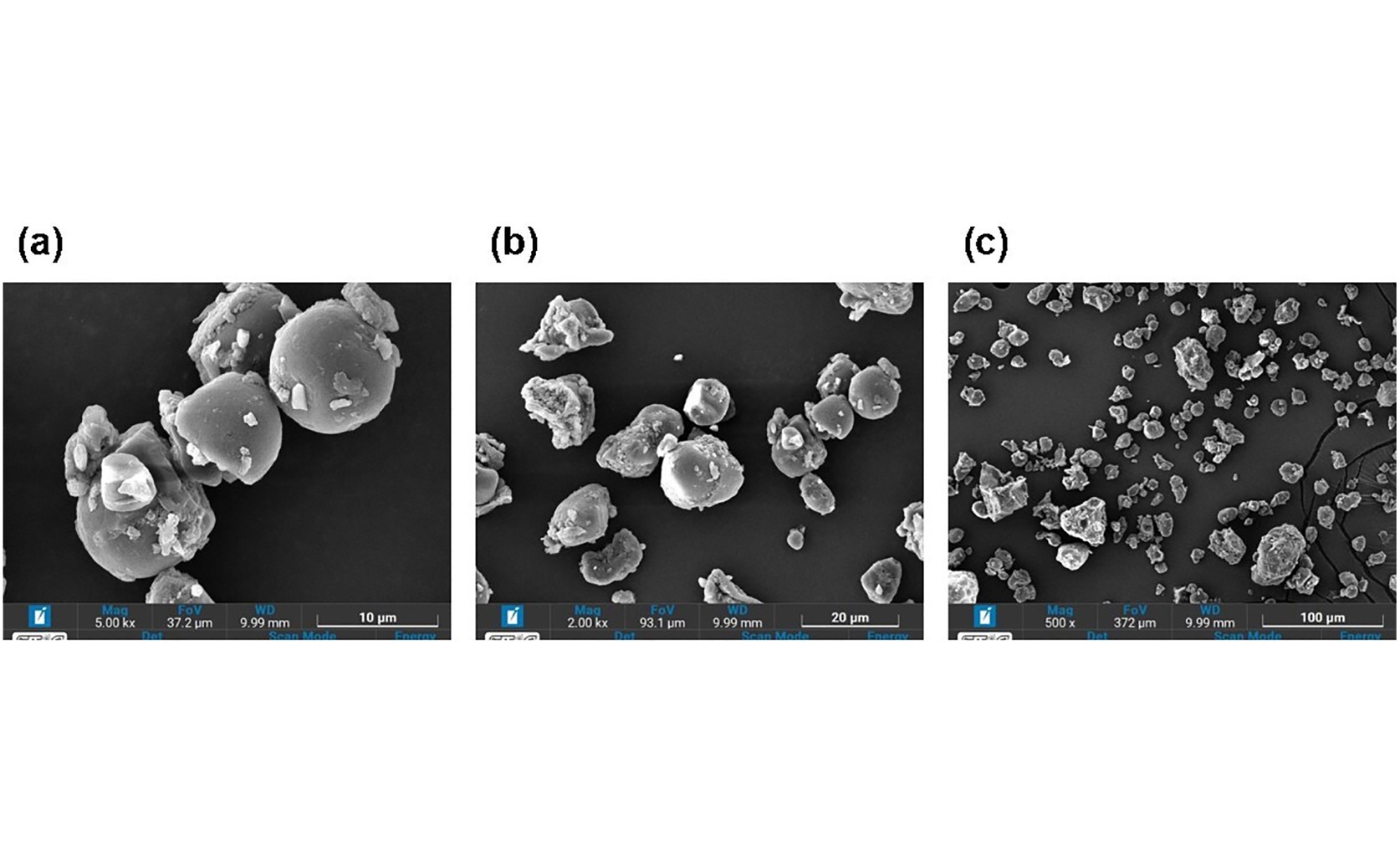
Scanning electron microscope images of longan seeds power at a) 5000X, b) 2000X and c) 500X magnification.

Image adapted from: Aunkham et al. / CC BY (Source)

Key Findings

  • In Thailand, researchers investigated longan seed powder (LSP) as a water purification aid to reduce reliance on alum, a common but potentially harmful water treatment chemical
  • Combining a small amount of LSP (0.5 mg/L) with alum (1 mg/L) significantly improved turbidity removal, achieving 96.7% in lab water, comparable to using five times more alum alone
  • LSP, costing only USD 0.30/kg, offers a low-cost, sustainable alternative to alum, potentially reducing chemical expenses and environmental impact through reduced sludge generation
Water treatment plants globally rely on chemicals like alum to purify water, but these chemicals have drawbacks. Alum produces waste products, is expensive, and has been linked to potential health concerns[2]. Researchers are actively seeking alternatives that are both effective and environmentally friendly. A recent study by Mae Fah Luang University and MARDI investigated the potential of Longan Seed Powder (LSP) – a byproduct of the longan fruit – as a water purification aid[1]. The core problem this research addresses is the need for sustainable and affordable water treatment solutions. Alum, while effective at removing impurities, leaves behind harmful residues and can contribute to environmental problems. The study aimed to determine if LSP, a readily available agricultural waste product, could reduce the reliance on alum and offer a more ecologically sound approach to water purification. The study focused on LSP, which is composed of approximately 82% starch. Starch is known to contain functional groups capable of binding to particles in water, potentially causing them to clump together and become easier to remove. Initial testing of LSP alone showed limited success in removing turbidity – the cloudiness of water caused by suspended particles. However, when combined with a small amount of alum (0.5 mg/L LSP with 1 mg/L alum at a pH of 4), the results were significantly improved. This combination demonstrated a “synergistic effect,” meaning the combined performance was greater than the sum of their individual contributions. Researchers used a technique called the “Jar test,” a standard method for evaluating water treatment processes. They tested LSP and alum combinations in both synthetic water (water created in a lab to mimic natural water) and raw river water. The results showed that the LSP-alum combination achieved 96.7% turbidity reduction in synthetic water, comparable to using five times the amount of alum alone (96.5% removal). In raw river water, the combination reduced turbidity by 85%, with minimal impact on the water’s pH and total dissolved solids (TDS). The effectiveness of LSP is attributed to its starch content, which facilitates coagulation through two main mechanisms: charge neutralization and polymer bridging. Charge neutralization occurs when the starch molecules counteract the electrical charges of the particles in the water, causing them to stick together. Polymer bridging happens when long starch molecules act as “bridges” connecting multiple particles, forming larger clumps that settle out of the water more easily. This aligns with findings from other research on starch isolation from longan seeds, which details variations in chain-length distributions and their impact on structural and property characteristics[3]. Interestingly, the study builds upon existing knowledge of aluminium’s role in environmental health. While alum itself is a source of aluminium, the reduced amount needed when combined with LSP could lessen the potential for aluminium accumulation in water and its associated neurological risks[2]. Although aluminium absorption is generally low, the study highlights the importance of minimizing exposure, especially given its documented presence in the central nervous system in various neurological conditions. Importantly, LSP is incredibly inexpensive to produce, costing only THB 9.78/kg (USD 0.30/kg). This low cost makes it a viable option for decentralized water treatment systems, particularly in regions where access to expensive chemical treatments is limited. The research represents a significant step towards valorizing agricultural waste and promoting sustainable water purification practices.

AgricultureEnvironmentSustainability

References

Main Study

1) Sustainable use of longan seed waste as a natural coagulant aid for low-cost and eco-friendly water treatment

Published 28th January, 2026

https://doi.org/10.1371/journal.pone.0340397


Related Studies

2) Aluminium in the Human Brain: Routes of Penetration, Toxicity, and Resulting Complications.

https://doi.org/10.3390/ijms24087228


3) Hierarchical Structure, Gelatinization, and Digestion Characteristics of Starch from Longan (Dimocarpus longan Lour.) Seeds.

https://doi.org/10.3390/molecules23123262


Related Articles

An unhandled error has occurred. Reload 🗙