
Long-Term Conservation Farming Boosts Soil Phosphorus with Nitrogen
Jenn Hoskins
25th September, 2025


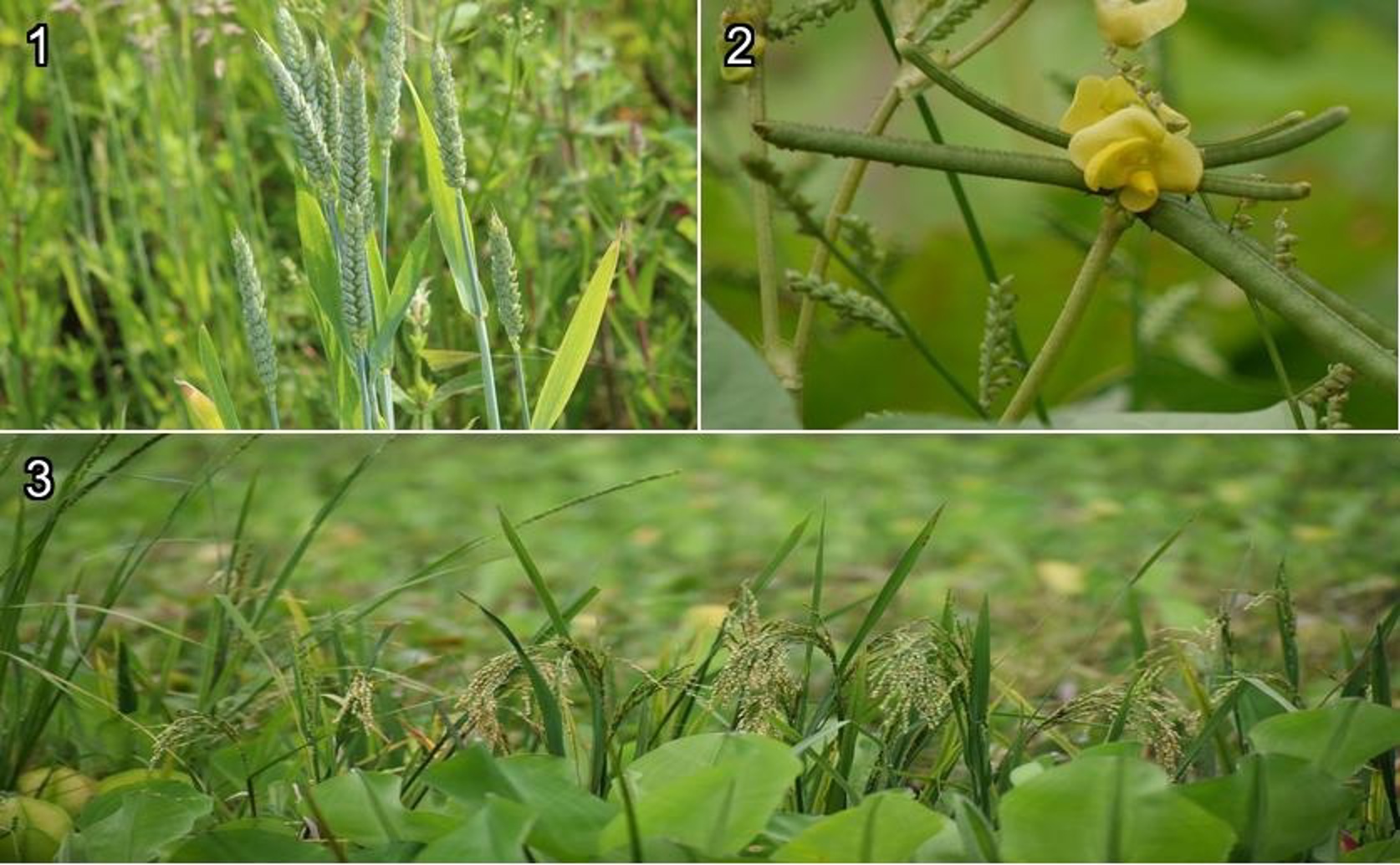
Experimental results from a continuous rotation of (1) Triticum aestivum, (2) Vigna radiata, and (3) Oryza sativa L. demonstrate that long-term conservation agriculture utilizing strip tillage and high residue retention significantly enhances plant-available soil phosphorus fractions, particularly when combined with optimized nitrogen fertilization to minimize non-labile phosphorus buildup.
Composite: Natural Science News / CC BY-SA. [Sources]
Key Findings
- In Bangladesh’s Old Brahmaputra Floodplain, a 12-year study on wheat-mungbean-rice cropping showed strip tillage with high residue levels improved phosphorus availability
- Combining strip tillage with higher residue boosted readily available phosphorus by 259% compared to lower residue, but excessive nitrogen (over 100% recommended dose) reduced this benefit
- Optimal phosphorus availability was achieved with strip tillage, high residue, and a nitrogen rate of 100% of the recommended dose, balancing nutrient supply and minimizing phosphorus loss
AgricultureEnvironmentSustainability
References
Main Study
1) Long-term conservation agriculture with optimum nitrogen fertilization improves soil phosphorus availability
Published 24th September, 2025
https://doi.org/10.1371/journal.pone.0333013
Related Studies
2) Biotic and abiotic effects of soil organic matter on the phytoavailable phosphorus in soils: a review.
3) Effects of wheat straw incorporation on the availability of soil nutrients and enzyme activities in semiarid areas.
4) Influence of tillage based crop establishment and residue management practices on soil quality indices and yield sustainability in rice-wheat cropping system of Eastern Indo-Gangetic Plains.
Related Articles
 9th September, 2025 | Jim Crocker