Cultural burning practices around the world: Patterns and data needs

Greg Howard
21st January, 2026

Cultural burning practices around the world: Patterns and data needs
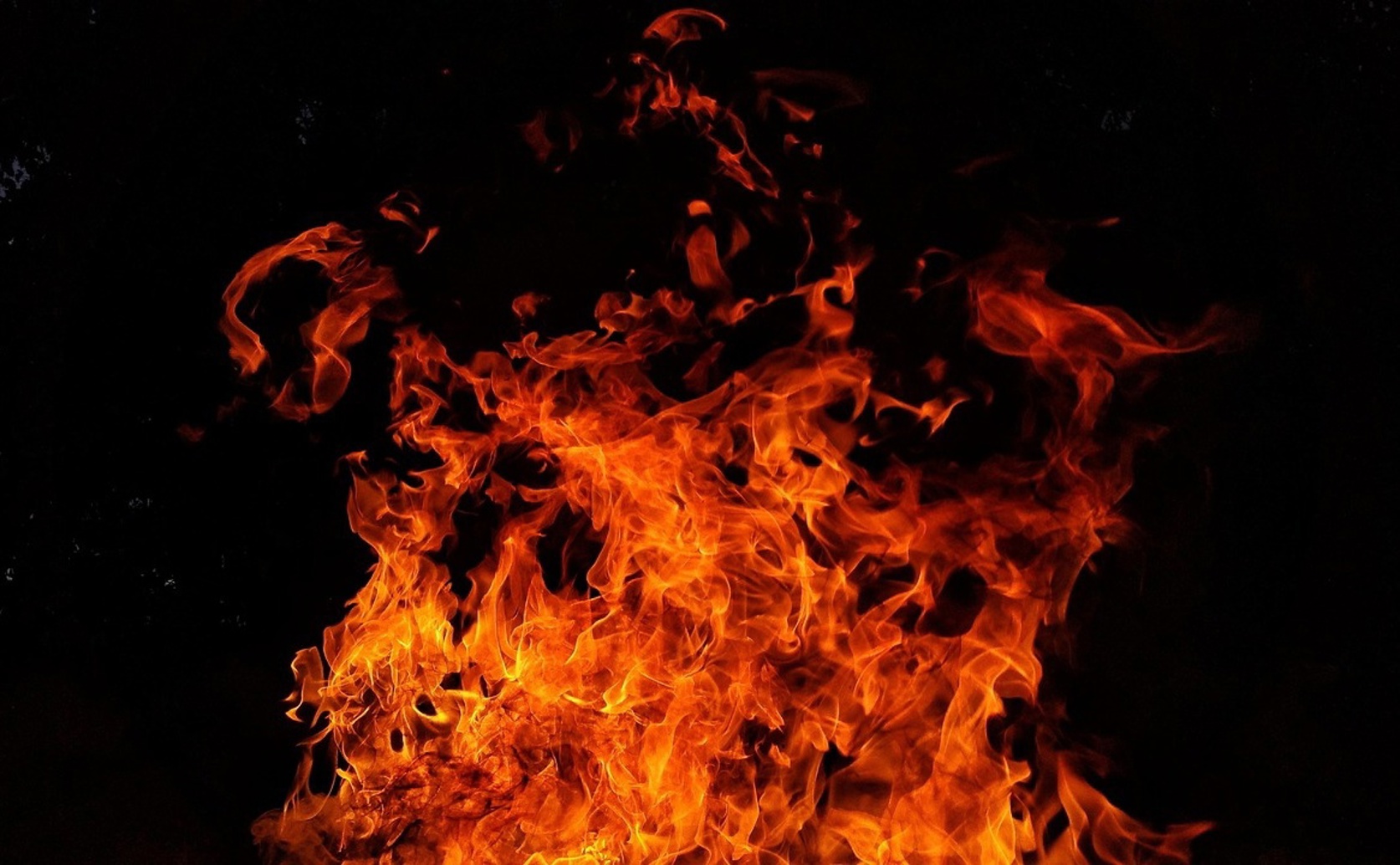
Photographer: Ronald Plett

Key Findings

  • This study, conducted across 69 countries, analyzed data on how and why people use fire for livelihood and cultural purposes
  • Fires for agriculture are typically small in size and occur during specific planting seasons, but patterns vary based on farming type
  • The purpose of a fire significantly influences its characteristics, like size and frequency, but environmental and social factors also play a crucial role
Human use of fire is a widespread practice, deeply interwoven with the management of landscapes globally. Understanding this practice is crucial, particularly as climate change intensifies and the role of human activity in fire regimes becomes ever more significant. A recent study by researchers at Royal Holloway, University of London, and Imperial College London[1], addresses the need for a comprehensive understanding of how and why people use fire, drawing on a global database of fire use practices. The core problem this study tackles is the difficulty in accurately modelling and predicting fire behaviour. Existing models often treat human-caused fires as a homogenous factor, failing to account for the diverse motivations and methods behind them. This simplification limits the effectiveness of predictions and hinders effective fire management strategies. The study aims to identify patterns in fire use based on the objectives of those setting the fires – whether for agriculture, livestock management, resource gathering, or cultural purposes. The researchers analysed data from 345 case studies across 69 countries, compiled in the Livelihood Fire Database. This database includes information on fire return intervals (how often fires are set in a specific location), the area burned, and the timing of fires. The team categorized fire use purposes and examined whether distinct patterns emerged relating to these purposes. A key challenge was the limited availability of quantitative data for many fire uses, especially those linked to hunting, wellbeing, and social practices. In these cases, qualitative insights from the case studies were used to supplement the analysis. The study revealed that environmental and social factors significantly influence fire use, even when the stated purpose is the same. This finding reinforces the idea that assuming uniform drivers of anthropogenic fire is often inaccurate. However, where quantitative data were available, clear relationships emerged between fire use purpose and the characteristics of the fires – their size, frequency, and timing. For example, fires set to clear land for agriculture tended to have different properties than those used to promote plant growth for gathering. These findings build upon earlier research demonstrating the positive impacts of intentional burning on biodiversity and ecosystem health[2][3]. The work by researchers in Arnhem Land, Australia, for instance, showed that Aboriginal burning practices maintained a mosaic of habitats, including long-unburnt patches crucial for certain species[2]. Similarly, a global review of fire stewardship practices indicated that 79% of applicable studies reported increases in biodiversity as a result of human-managed fires[3]. The current study complements this work by providing a more nuanced understanding of how these beneficial fire regimes are achieved through specific, purpose-driven practices. The researchers highlight the importance of distinguishing between different fire-use purposes when modelling fire regimes. By incorporating this differentiation, models can better predict the timing, size, and frequency of fires, leading to more accurate assessments of risk and more effective management strategies. They specifically recommend that the diagnosis of these relationships between fire-use purpose and fire properties could enable improved representation of anthropogenic fire in global land surface models, and aid interpretation of remote sensing data. The increasing availability of high-resolution remote sensing data is revealing a greater number of small fires, many of which are likely human-set. [1] emphasizes the need for continued collection and analysis of case study data on human fire use to interpret these new data sources accurately. Understanding the underlying drivers of these fires is essential to ensure that models appropriately represent human activity and its impact on fire regimes.

AgricultureEnvironmentSustainability

References

Main Study

1) Small-scale livelihood and cultural fire: Global spatiotemporal characteristics, and gaps in data

Published 20th January, 2026

https://doi.org/10.1371/journal.pone.0339561


Related Studies

2) Local and global pyrogeographic evidence that indigenous fire management creates pyrodiversity.

https://doi.org/10.1002/ece3.1494


3) Conservation of Earth's biodiversity is embedded in Indigenous fire stewardship.

https://doi.org/10.1073/pnas.2105073118


Related Articles

An unhandled error has occurred. Reload 🗙