How salt and oxygen affect the health and growth of Nile tilapia
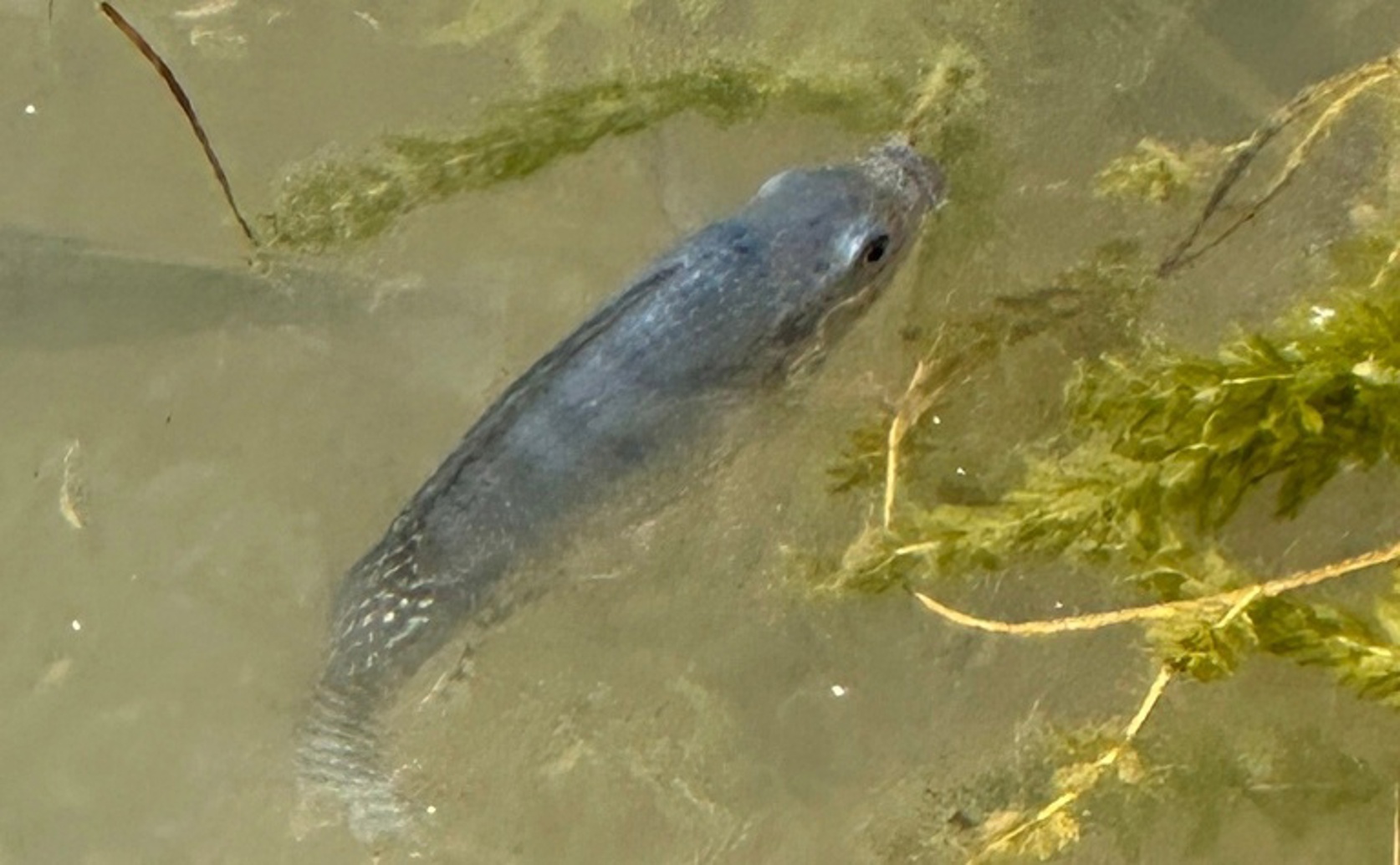
Nile Tilapia (Oreochromis niloticus)
Key Findings
- This study, conducted on Nile tilapia in Egypt, investigated the combined effects of low oxygen and high salinity on fish health
- Both low oxygen and high salinity independently and synergistically reduced fish growth and feed efficiency, but did not affect survival rates
- Exposure to both stressors caused physiological damage including impaired digestion, weakened immune function, and structural damage to the gills, intestine, and liver
Climate change is increasingly impacting aquaculture due to rising water temperatures, leading to both decreased dissolved oxygen (DO2) and increased salinity in water bodies. These changes pose a significant threat to fish health and the sustainability of fish farming[1]. Researchers at the Agricultural Research Center, Egypt, recently investigated how these two stressors – hypoxia (low oxygen) and high salinity – interact and affect Nile tilapia, a commercially important fish species. The goal was to understand how these factors impact growth, digestion, overall health, and immune function.
The study involved 270 juvenile Nile tilapia divided into 18 aquariums, each representing a different combination of oxygen and salinity levels. Fish were exposed to either normal oxygen levels (5.5–6 mg/L) or low oxygen levels (1–1.5 mg/L), combined with either freshwater (0 g/L salinity), moderately saline water (7 g/L salinity), or highly saline water (14 g/L salinity) for 56 days. All fish were fed the same commercial diet.
The results clearly showed that both hypoxia and increased salinity negatively affected fish growth and how efficiently they used their food. The best growth rates and food conversion ratios were observed in fish kept under normal oxygen conditions and in freshwater. However, survival rates weren’t significantly impacted by these stressors, indicating that while growth was affected, the fish didn’t necessarily die.
These findings align with earlier research highlighting the critical role of dissolved oxygen in fish welfare[2]. Low DO levels cause stress and can even lead to death if prolonged, particularly in intensive aquaculture systems where fish are crowded. The current study builds on this by demonstrating the compounded effect of low oxygen and increased salinity.
Interestingly, the study observed changes in the fish’s blood composition. Hypoxia led to an increase in red blood cells (RBCs), hemoglobin, and hematocrit – essentially, the fish were producing more components to carry oxygen in their blood, a compensatory mechanism to cope with the low oxygen environment. However, elevated salinity had the opposite effect, reducing these same blood components. This suggests that salinity interferes with the body’s ability to adapt to low oxygen conditions. Similar increases in hemoglobin concentrations were observed in juvenile tambaqui exposed to hypoxia, also as a compensatory response[3].
Beyond growth and blood parameters, the study examined digestive enzymes. Both hypoxia and salinity impaired the function of key enzymes like protease, lipase, and α-amylase, which are crucial for breaking down proteins, fats, and carbohydrates, respectively. This explains the reduced growth efficiency observed. Furthermore, both stressors increased levels of cortisol (a stress hormone) and glucose in the blood, along with liver enzymes (aspartate aminotransferase and alanine aminotransferase), indicating liver damage and metabolic stress. Lipid levels (total cholesterol and triglycerides) also increased, suggesting a disruption in fat metabolism. Conversely, total protein levels in the blood decreased.
The immune system was also significantly weakened by hypoxia and salinity. The activity of lysozyme (an antibacterial enzyme), the respiratory burst (a key part of the immune response), phagocytosis (the process of cells engulfing and destroying pathogens), and IgM (an antibody) were all reduced. This makes the fish more susceptible to disease. Prior work has shown that vitamin E supplementation can help mitigate some of these stress-induced immune deficiencies in Nile tilapia[4], suggesting a potential strategy for improving resilience.
Finally, microscopic examination of the fish tissues revealed structural damage in the gills, intestine, and liver of those exposed to both hypoxia and high salinity. This damage likely contributes to the impaired digestion, metabolic stress, and weakened immune function observed in the study.
In conclusion, the research from the Agricultural Research Center, Egypt, demonstrates that the combined effects of hypoxia and increased salinity are detrimental to Nile tilapia, impacting growth, digestion, health, and immune function. This underscores the urgent need for strategies to improve aquaculture practices and adapt to the challenges posed by climate change.
HealthBiochemAnimal Science
References
Main Study
1) Interactive impact of salinity and oxygen level on the growth performance, digestive enzymes, serum biochemistry, antioxidative, immunity, and histological status of Nile tilapia (Oreochromis niloticus)
Published 8th December, 2025
https://doi.org/10.1007/s10695-025-01608-6
Related Studies
3) Blood parameters and metabolites in the teleost fish Colossoma macropomum exposed to sulfide or hypoxia.
Journal: Comparative biochemistry and physiology. Toxicology & pharmacology : CBP, Issue: Vol 133, Issue 3, Nov 2002
4) Impacts of dietary α-tocopherol acetate on physiological response, antioxidant activity, innate immunity, and histopathological status of Nile tilapia, Oreochromis niloticus under heat and salinity stress.
https://doi.org/10.1007/s10695-025-01460-8
Related Articles


 3rd August, 2024 | Jenn Hoskins