
Bacteria hijacks plant defense system to enter leaves
Jim Crocker
19th November, 2025


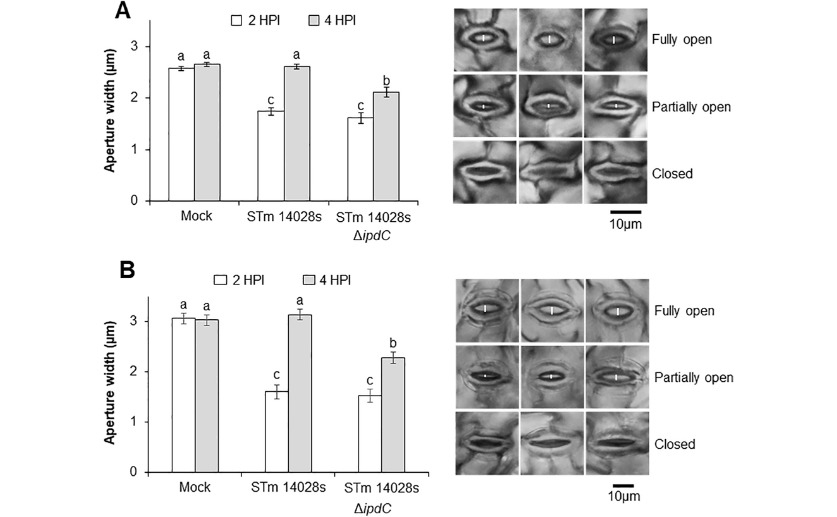
The bacterium Salmonella enterica serovar Typhimurium 14028s reopens plant stomata—pores on leaf surfaces—by producing auxin, a plant hormone, enabling bacterial entry and potentially increasing the risk of foodborne illness.
Key Findings
- Researchers found Salmonella can temporarily close plant stomata, but then reopen them, unlike some other bacteria
- Both Salmonella and the plant produce a hormone called auxin, which is essential for Salmonella to reopen the stomata and invade the plant
- Blocking auxin signaling in the plant makes it resistant to Salmonella reopening stomata, highlighting a new vulnerability in plant defenses
AgricultureBiochemPlant Science
References
Main Study
1) Salmonella enterica exploits the auxin signaling pathway to overcome stomatal immunity
Published 17th November, 2025
https://doi.org/10.1371/journal.ppat.1013662
Related Studies
2) Microbial life in the phyllosphere.
3) Internalization of Salmonella enterica in leaves is induced by light and involves chemotaxis and penetration through open stomata.
4) The effect of bacterial chemotaxis on host infection and pathogenicity.
5) Fighting for Survival at the Stomatal Gate.
Related Articles
 21st September, 2025 | Jim Crocker