Lanthanum exposure alters chemical processes in Manila clams

Greg Howard
30th September, 2025

Lanthanum exposure alters chemical processes in Manila clams

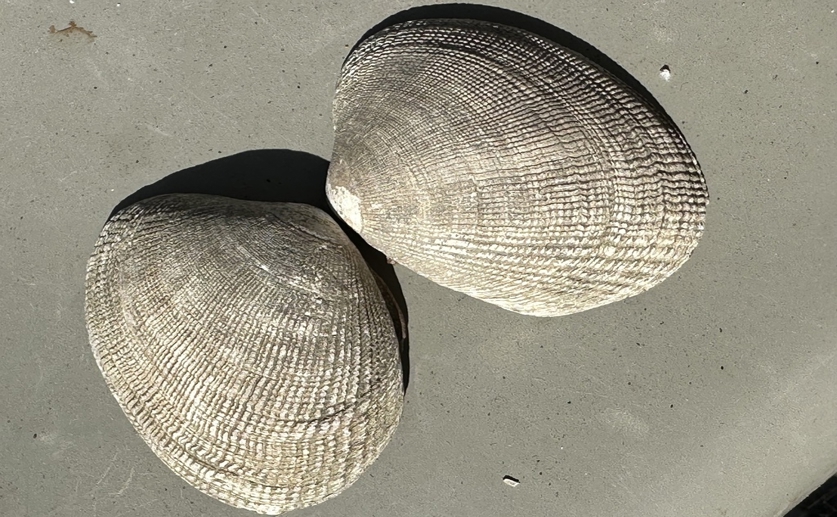
Manila clam (Ruditapes philippinarum)

Photographer: Al Kordesch

Key Findings

  • This study investigated the effects of lanthanum (La) exposure on Manila clams, a commercially important species in the Mediterranean Sea
  • La exposure caused damage to clam gills, including cell degeneration, reduced mucus, and changes in protective molecules
  • The study identified 188 altered metabolites in exposed clams, indicating disruptions in essential processes like energy production and DNA synthesis
Rare earth elements (REEs) are a group of 17 metallic elements crucial in numerous modern technologies, including smartphones, electric vehicles, and renewable energy systems. Their increasing demand has led to expanded mining and industrial use, resulting in a greater release of these elements into the environment, particularly aquatic ecosystems. While essential for technology, the ecological consequences of REE pollution are not fully understood, prompting research into their potential harm to marine life. This concern is the focus of a recent study conducted by researchers at the National Research Council (CNR)[1], which investigated the effects of lanthanum (La) exposure on the Manila clam ( Ruditapes philippinarum), a commercially important shellfish species in the Mediterranean Sea. Lanthanum is one of the most abundant REEs and is increasingly found in marine environments, making it a relevant element to study. The research aimed to determine how short-term La exposure impacts clam health at a cellular and metabolic level. The study exposed Manila clams to a concentration of 10 mg/L of lanthanum chloride (LaCl₃·7H₂O). Two primary methods were used to assess the impact: histological examination of gill tissues and untargeted metabolomics. Histological analysis involves examining tissue samples under a microscope to identify structural changes. Metabolomics, on the other hand, is the large-scale study of small molecules (metabolites) within an organism, providing a snapshot of its biochemical processes. Histological results revealed several adverse effects in the clam gills following La exposure. These included degeneration of the epithelial cells (the cells forming the outer layer of the gill), reduced mucus secretion, and alterations in glycoprotein expression. Mucus serves as a protective barrier for the gills, and glycoproteins play a role in various cellular functions. These changes suggest that La exposure compromises the gill’s structural integrity and protective capabilities. More significantly, metabolomic profiling identified 188 differentially expressed metabolites (DEMs) – molecules present in significantly different amounts in exposed clams compared to control clams. These DEMs pointed to disruptions in several key metabolic pathways, including those involving organic acids, fatty acids, amino acids, and nucleotides. This indicates that La exposure doesn’t just affect the physical structure of the gills but also interferes with fundamental cellular processes. Further functional analysis of these DEMs highlighted specific metabolites potentially serving as biomarkers of La-induced stress. These included glutathione (GSH), ascorbic acid (vitamin C), oleic acid, and thymidine. Glutathione is a crucial antioxidant that protects cells from damage caused by oxidative stress, a process where harmful molecules called free radicals accumulate. Ascorbic acid also acts as an antioxidant. Oleic acid is a fatty acid important for cell membrane structure, and thymidine is a building block of DNA. Changes in these metabolites suggest that La exposure induces both oxidative stress and metabolic imbalances in the clams. The findings of this study align with broader observations of increasing REE contamination in aquatic systems[2]. Previous research, particularly a review of REE distribution in Chinese rivers and lakes[2], demonstrated that anthropogenic (human-caused) inputs are altering the natural levels of REEs. That study noted higher REE concentrations in rivers near mining areas and a general trend of Ce > La > Nd as the most abundant REEs in water, with mining tailings identified as a primary pollution source. The CNR study focuses specifically on La, a commonly detected REE, and provides a detailed look at its impact on a key marine species. Furthermore, research on soil samples from former mining areas in Perak, Malaysia[3], also revealed abundant REEs, decreasing in concentration with depth, supporting the idea that mining activities are a major contributor to REE pollution. The Rhine River in Germany provides another example of anthropogenic REE contamination, specifically with lanthanum, traced back to a catalyst production plant[4]. That study highlighted the alarming export of approximately 1.5 tons of dissolved La into the North Sea annually, emphasizing the growing environmental release of these elements. The CNR study builds on these previous findings by providing a mechanistic understanding of La’s toxicity at the cellular level. While earlier studies established the presence and distribution of REEs in the environment[2][4], and demonstrated their accumulation in sediments and soils[3], this research delves into the specific metabolic disruptions caused by La exposure in a commercially important marine organism. The identification of GSH, ascorbic acid, oleic acid, and thymidine as potential biomarkers is particularly valuable for monitoring the health of clam populations in areas affected by REE pollution.

EnvironmentBiochemMarine Biology

References

Main Study

1) Lanthanum exposure and its metabolomic effects on Ruditapes philippinarum

Published 26th September, 2025

https://doi.org/10.1038/s41598-025-15576-7


Related Studies

2) Research progress on the content and distribution of rare earth elements in rivers and lakes in China.

https://doi.org/10.1016/j.marpolbul.2023.114916


3) Geochemical characteristics of rare earth elements in different types of soil: A chemometric approach.

https://doi.org/10.1016/j.chemosphere.2017.06.032


4) Rare earth elements in the Rhine River, Germany: first case of anthropogenic lanthanum as a dissolved microcontaminant in the hydrosphere.

https://doi.org/10.1016/j.envint.2011.02.018


Related Articles

An unhandled error has occurred. Reload 🗙