New Bacteria Found in Alder Roots May Offer Benefits

Greg Howard
20th September, 2025

New Bacteria Found in Alder Roots May Offer Benefits

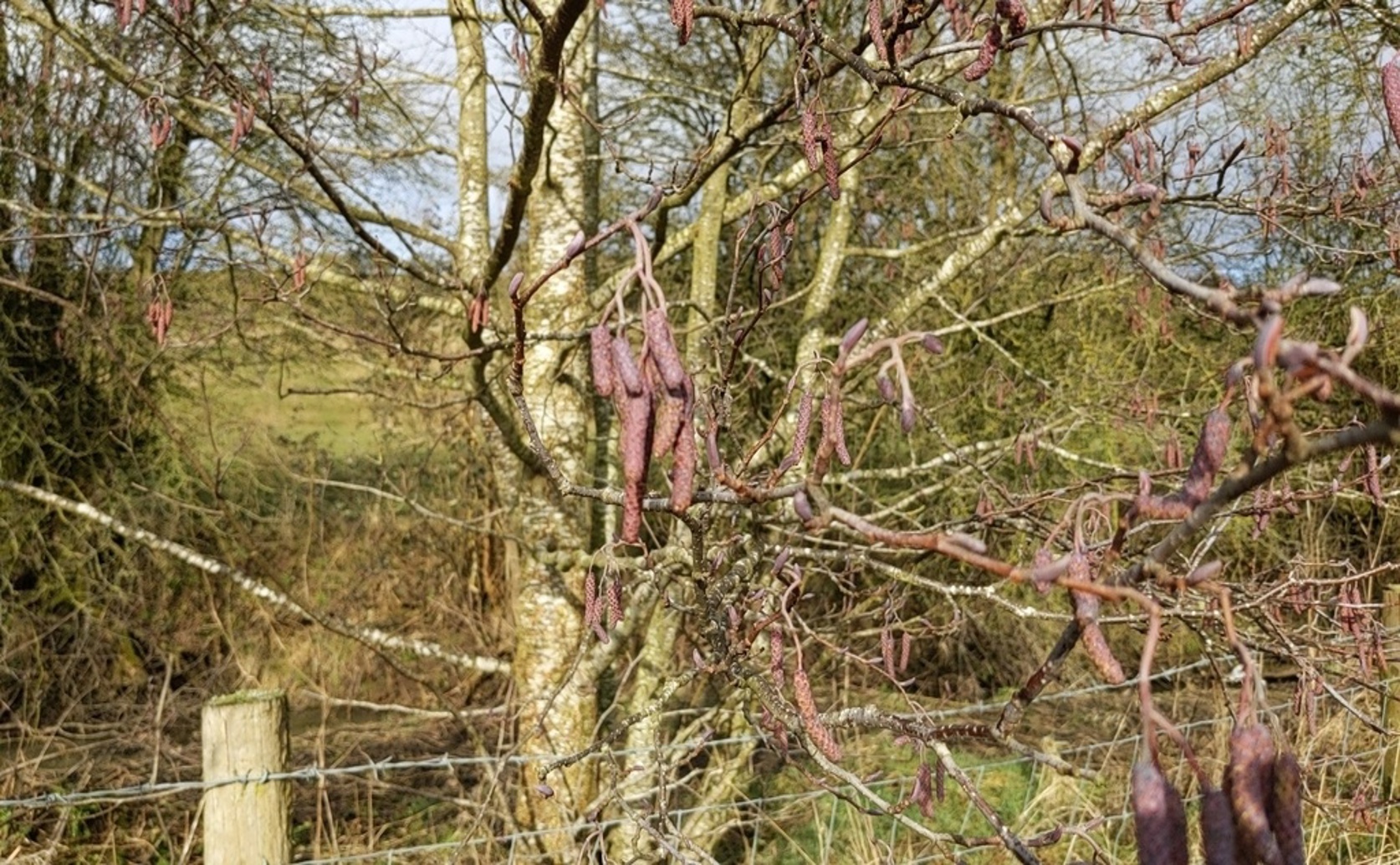
Common alder (Alnus glutinosa)

Photo adapted from: gill_ryenats / CC BY (Source)

Key Findings

  • A new Streptomyces species, named Streptomyces colwelliae, was discovered in UK alder tree roots, showing unique genetic and physical traits
  • Genome analysis revealed this strain possesses genes enabling nitrogen fixation, phosphate solubilization, and production of compounds that aid plant nutrient uptake
  • S. colwelliae exhibits antimicrobial activity against several bacteria, including drug-resistant strains, suggesting potential as a biocontrol agent
Streptomyces bacteria are well-known for producing compounds with valuable applications in medicine, biotechnology, and agriculture. Researchers at the Leibniz-Institut DSMZ recently investigated a specific Streptomyces strain, designated Agncl-13T, isolated from the roots of alder trees (Alnus glutinosa) in the UK, to determine if it represented a new species and to explore its potential for improving plant health[1]. The challenge in identifying new bacterial species, particularly within the Streptomyces genus, lies in the lack of a universally accepted definition of a species for prokaryotes[2]. Traditionally, scientists relied on comparing physical characteristics (phenotype) and genetic similarities to classify bacteria. However, these methods can be ambiguous, especially given the vast diversity of bacteria found in nature. More recently, advances in genome sequencing have allowed for more precise comparisons of entire genomes, but interpreting these data and establishing clear species boundaries remains complex. The study employed a “polyphasic” approach, meaning a combination of multiple analytical techniques. Researchers first examined the strain’s physical and biochemical properties, finding characteristics that differed from known Streptomyces species. Genetic analysis, including sequencing the strain’s entire genome, revealed further distinctions. Crucially, the study utilized whole-genome comparisons to assess the strain’s relatedness to other Streptomyces. This involved calculating the average nucleotide identity (ANI), a measure of how similar the DNA sequences are between two genomes[3]. ANI values below 95-96% generally indicate that two bacteria are different species. In this case, the ANI values between strain Agncl-13T and its closest relatives were below these thresholds, supporting its classification as a novel species. Furthermore, digital DNA-DNA hybridization, a technique previously considered the “gold standard” for species identification, also showed values below the 70% threshold[3]. The strain also exhibited unique chemical features, including a specific composition of cell wall components (LL-DAP) and lipids, further differentiating it from other Streptomyces. Genome mining – searching the genome for genes involved in specific functions – revealed several gene clusters associated with plant growth promotion. The strain was found to be capable of fixing nitrogen (converting atmospheric nitrogen into a usable form for plants), solubilizing phosphate (making phosphate available to plants), producing siderophores (molecules that help plants absorb iron), and producing ACC deaminase (an enzyme that reduces plant stress). Additionally, the strain displayed antimicrobial activity against several bacteria, including drug-resistant Staphylococcus aureus, and the fungus Candida albicans. These findings built upon earlier work highlighting the importance of Streptomyces as a source of new natural products[4]. As drug resistance becomes an increasing problem, the search for novel antibiotics and biocontrol agents is critical. The multi-locus sequence analysis described in[4] provided a useful framework for understanding relationships within the Streptomyces family, but whole-genome approaches, as used in this study, offer even greater resolution for taxonomic classification. Based on this comprehensive analysis, the researchers proposed the name Streptomyces colwelliae sp. nov. for the newly identified species. The study suggests that S. colwelliae may have potential as a biocontrol agent and biofertilizer, contributing to more sustainable agricultural practices. While the results are promising, further research is needed to confirm its effectiveness and safety in real-world agricultural settings.

BiotechGeneticsPlant Science

References

Main Study

1) A novel endophytic species, Streptomyces colwelliae sp. nov., isolated from root nodule of Alnus glutinosa

Published 18th September, 2025

https://doi.org/10.1186/s12866-025-04290-z


Related Studies

2) Opinion: Re-evaluating prokaryotic species.

Journal: Nature reviews. Microbiology, Issue: Vol 3, Issue 9, Sep 2005


3) Shifting the genomic gold standard for the prokaryotic species definition.

https://doi.org/10.1073/pnas.0906412106


4) Phylogenetic relationships in the family Streptomycetaceae using multi-locus sequence analysis.

https://doi.org/10.1007/s10482-016-0824-0


Related Articles

An unhandled error has occurred. Reload 🗙