How Tomato Ringspot Virus Changes Plant Gene Activity During and After Infection

Jenn Hoskins
4th September, 2025

How Tomato Ringspot Virus Changes Plant Gene Activity During and After Infection

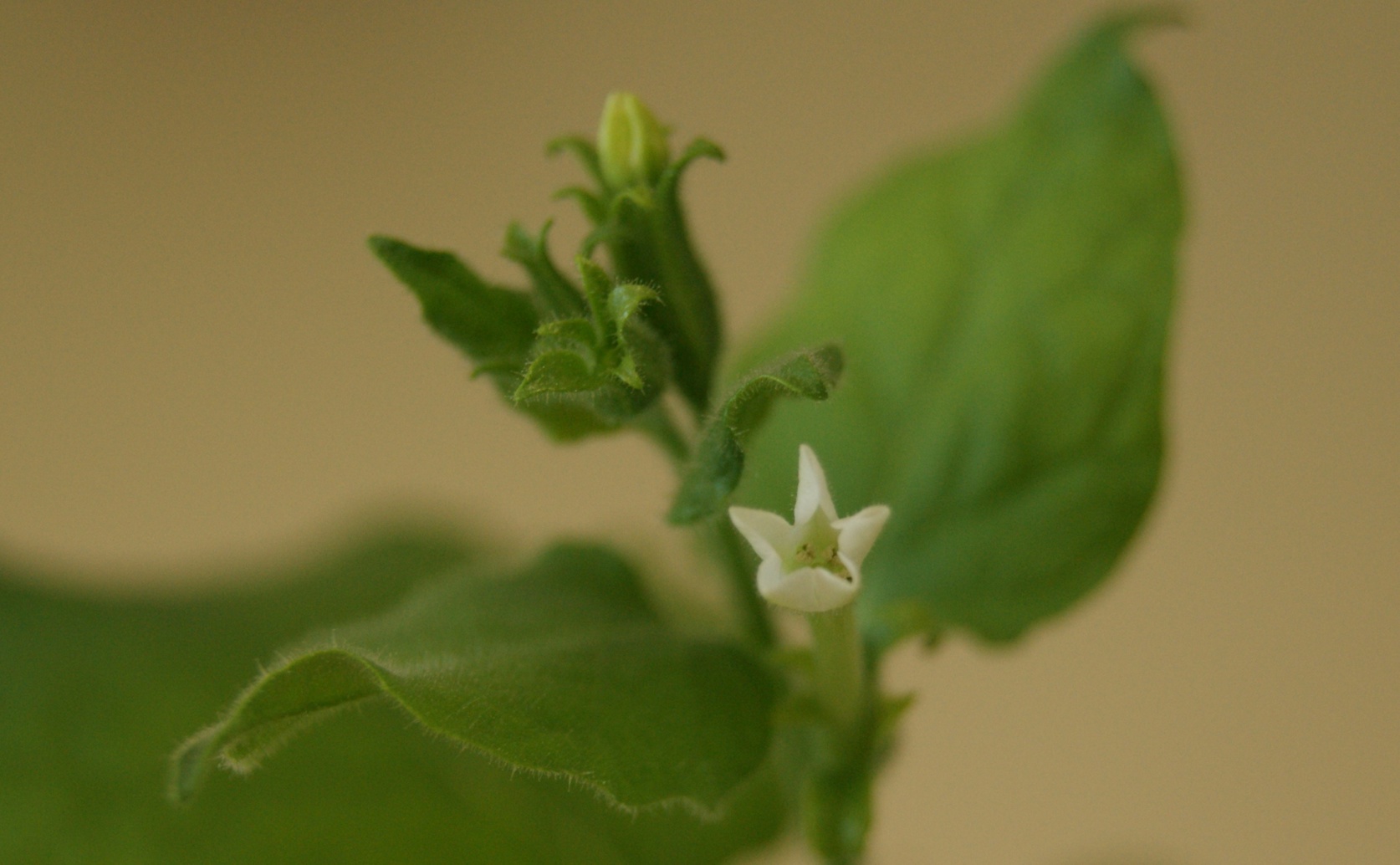
Nicotiana benthamiana

Photo adapted from: Charles Andres / CC BY SA (Source)

Key Findings

  • In Nicotiana benthamiana infected with tomato ringspot virus (ToRSV), the plant’s gene activity dramatically changes during the initial symptomatic phase
  • After symptom recovery, most gene changes return to normal, but some defense-related genes remain active, indicating an ongoing defense response
  • Increased levels of cysteine-rich antimicrobial peptides, specifically defensins, contribute to limiting viral spread during the recovery stage
Plant viruses pose a significant threat to agriculture worldwide, causing substantial economic losses due to reduced crop yields and quality. Viruses are obligate intracellular parasites, meaning they require a living host cell to reproduce, and their survival is intrinsically linked to the resources they obtain from that host[2]. This dependency often leads to disease, but the relationship isn't always straightforward; plants can sometimes tolerate viral infections without exhibiting severe symptoms. Understanding how plants achieve this tolerance – a stable coexistence with a virus – is crucial for developing new disease management strategies. Researchers at Agriculture and Agri-Food Canada recently investigated the molecular changes occurring in Nicotiana benthamiana (a relative of tobacco) plants infected with tomato ringspot virus (ToRSV)[1]. They focused on two distinct phases of infection: the initial acute stage where noticeable symptoms develop, and a later recovery stage where new leaves emerge seemingly unaffected. A key observation was that despite the presence of similar levels of viral RNA in both symptomatic and recovered leaves, the plants’ internal responses differed dramatically. The study involved a detailed analysis of the plant’s transcriptome – essentially, a complete snapshot of all its active genes. In the symptomatic stage, a large-scale reprogramming of gene activity occurred. Genes associated with biotic stress – the plant’s response to being attacked by a living organism like a virus – were activated, while genes involved in chloroplast function and protein translation were suppressed. Chloroplasts are essential for photosynthesis, and reducing their activity likely contributes to the visible symptoms of disease. This aligns with earlier findings that viral proteins often disrupt or hijack plant processes, including hormone signaling and organelle function, as a means to facilitate their own replication and spread[3]. Interestingly, most of these changes reverted back to normal levels once the plant began to recover. However, some genes remained persistently upregulated, and a new set of genes were specifically activated during recovery. A particularly notable finding was the increased expression of cysteine-rich antimicrobial peptides, specifically two defensin-like genes. These peptides are known to have antiviral properties and likely contribute to limiting viral spread in the recovering leaves. This supports the idea that tolerance isn’t simply a passive acceptance of the virus, but an active process involving the plant’s defense mechanisms[4]. The researchers also examined microRNAs (miRNAs), small RNA molecules that regulate gene expression. They found that miR391 levels increased at both stages of infection, suggesting a consistent role in the plant’s response to ToRSV. Other miRNAs, like miR530 and miR1919, were specifically upregulated during the symptomatic stage. Importantly, they identified several genes predicted to be targeted by these miRNAs that were also differentially regulated, including one – a zinc finger A20/AN1 domain-containing stress-associated protein – that was already known to be a target of miR530. Many of these predicted targets were involved in plant defense responses, indicating that miRNAs play a crucial role in both inducing symptoms and promoting recovery. The findings from build upon the understanding that viral proteins are often multifunctional, acting as both pathogenicity determinants and elicitors of defensive responses[2]. The study demonstrates that symptom recovery isn’t simply the absence of viral activity, but a complex process of gene regulation involving both sustained and novel defense responses. The persistent upregulation of antimicrobial peptides and the coordinated action of miRNAs highlight the plant’s ability to establish a balance between allowing the virus to persist and minimizing its impact on plant health. This research provides valuable insights into the molecular mechanisms underlying viral tolerance and could inform the development of strategies to enhance plant resilience to viral diseases.

BiotechGeneticsPlant Science

References

Main Study

1) Transcriptomic changes associated with infection of Nicotiana benthamiana plants with tomato ringspot virus (genus Nepovirus) during the acute symptomatic stage and after symptom recovery

Published 2nd September, 2025

https://doi.org/10.1371/journal.pone.0328517


Related Studies

2) Viral factors involved in plant pathogenesis.

https://doi.org/10.1016/j.coviro.2015.01.001


3) Modulation of disease severity by plant positive-strand RNA viruses: The complex interplay of multifunctional viral proteins, subviral RNAs and virus-associated RNAs with plant signaling pathways and defense responses.

https://doi.org/10.1016/bs.aivir.2020.04.003


4) Exploring the Diversity of Mechanisms Associated With Plant Tolerance to Virus Infection.

https://doi.org/10.3389/fpls.2018.01575


Related Articles

An unhandled error has occurred. Reload 🗙