What Factors Influence Farmers’ Choice of Drought-Tolerant Sorghum?

Jim Crocker
9th September, 2025

What Factors Influence Farmers’ Choice of Drought-Tolerant Sorghum?

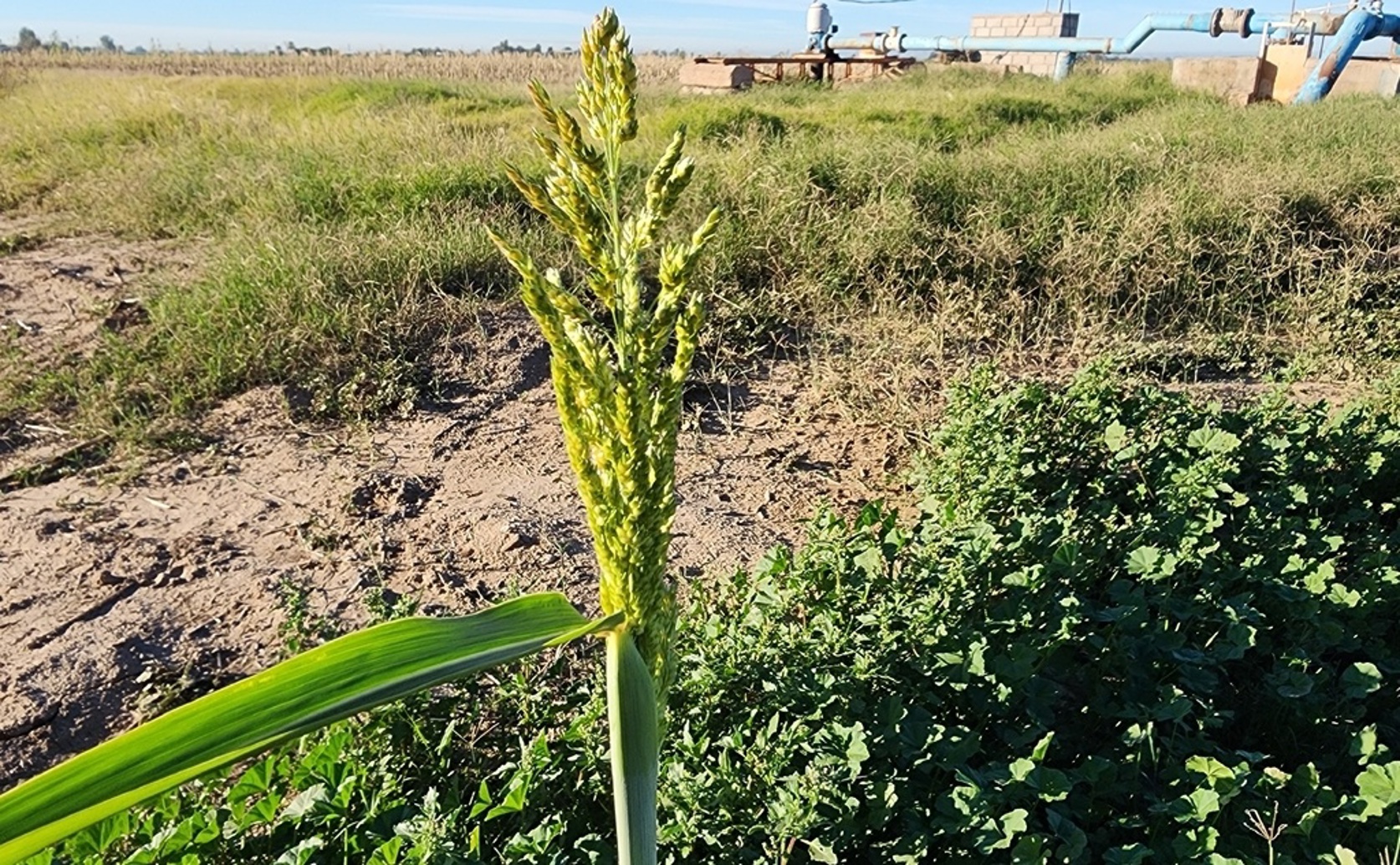
Sorghums (Sorghum bicolor)

Photo adapted from: Xochitl Zambrano / CC BY (Source)

Key Findings

  • Ethiopian sorghum farmers show high demand for improved varieties, willing to pay 59% more than current market prices
  • Willingness to pay varies significantly by region, with farmers in Amhara region being more eager to invest in improved seeds than those in Oromia
  • A substantial gender gap exists, as only 40% of female-headed households are willing to pay the market price compared to 60% of male-headed households, highlighting the need for targeted support
Sorghum is a vital food crop, especially in drier parts of Ethiopia where rainfall is unreliable. Despite its importance, developing and distributing better sorghum varieties has been challenging. Traditionally, public research institutions like the Ethiopian Institute of Agricultural Research (EIAR), in collaboration with partners such as the International Institute of Tropical Agriculture (IITA) and Fort Valley State University, have led these efforts[1]. However, a key issue has been a lack of information about what farmers actually want in a sorghum variety, which discourages private seed companies from investing in sorghum development – they tend to focus on more profitable crops like wheat and maize. This study by EIAR, IITA and Fort Valley State University aimed to address this gap by investigating how much farmers are willing to pay (WTP) for improved sorghum varieties specifically suited to areas with limited moisture. Understanding this willingness to pay is crucial for encouraging seed companies to enter the sorghum market and ensuring farmers have access to better seeds. Researchers collected data from 659 households, selecting them randomly to ensure the results were representative of sorghum farmers in the region. They used a method called “probability proportional to size sampling” – essentially, larger farms had a higher chance of being included, mirroring the real distribution of farm sizes. The data was then analyzed using statistical techniques, including descriptive statistics to understand general trends, and a more complex method called a “generalized ordered probit econometric model” to predict WTP based on various factors. The results showed a surprisingly high demand for improved sorghum varieties. On average, farmers were willing to pay 59% more than the current government-set market price. This was even higher in the Amhara region (67% above the official price) and still substantial in the Oromia region (47% above the official price). This suggests farmers recognize the value of improved varieties and are prepared to invest in them. However, the study also revealed significant differences in WTP based on factors like age, farm size, income sources, and crucially, gender. This finding aligns with previous research on maize farmers in Ethiopia[2], which highlighted the importance of considering farmer preferences for various traits – including stress tolerance – and the potential for market segmentation. The current study builds on this by demonstrating a similar need for tailored approaches in the sorghum sector. A particularly concerning finding was the “gender gap” in WTP. Only 40% of households headed by women were willing to pay the market price for the improved varieties, compared to 60% of male-headed households. This disparity suggests that simply making improved seeds available isn’t enough. The study points to the need for “gender-responsive” interventions – strategies specifically designed to address the barriers faced by women farmers. These interventions could include targeted subsidies to lower the cost of seeds for women, offering smaller input packages to reduce the financial burden, and improving access to agricultural extension services – providing training and support.[3] demonstrated the effectiveness of video-mediated extension services in increasing farmer knowledge and adoption of new technologies, and this approach, if tailored to the needs of women farmers, could be particularly beneficial. The study also noted that demand for the improved sorghum varieties was “inelastic,” meaning that even if the price increased somewhat, farmers would still be willing to buy them. This is good news for seed companies, as it suggests a degree of price stability. However, it reinforces the importance of addressing the gender gap and ensuring equitable access, as relying solely on price mechanisms won’t be sufficient to reach all farmers.

AgricultureSustainabilityPlant Science

References

Main Study

1) What drives the demand for drought-resilient sorghum varieties? Evidence from moisture-stressed areas in Ethiopia

Published 5th September, 2025

https://doi.org/10.1371/journal.pone.0315985


Related Studies

2) Maize variety preferences among smallholder farmers in Ethiopia: Implications for demand-led breeding and seed sector development.

https://doi.org/10.1371/journal.pone.0274262


3) Accelerating technical change through ICT: Evidence from a video-mediated extension experiment in Ethiopia.

https://doi.org/10.1016/j.worlddev.2022.106089


Related Articles

An unhandled error has occurred. Reload 🗙