Improving Water Use and Fertilizer for Sustainable and Profitable Rice

Greg Howard
27th February, 2025

Improving Water Use and Fertilizer for Sustainable and Profitable Rice

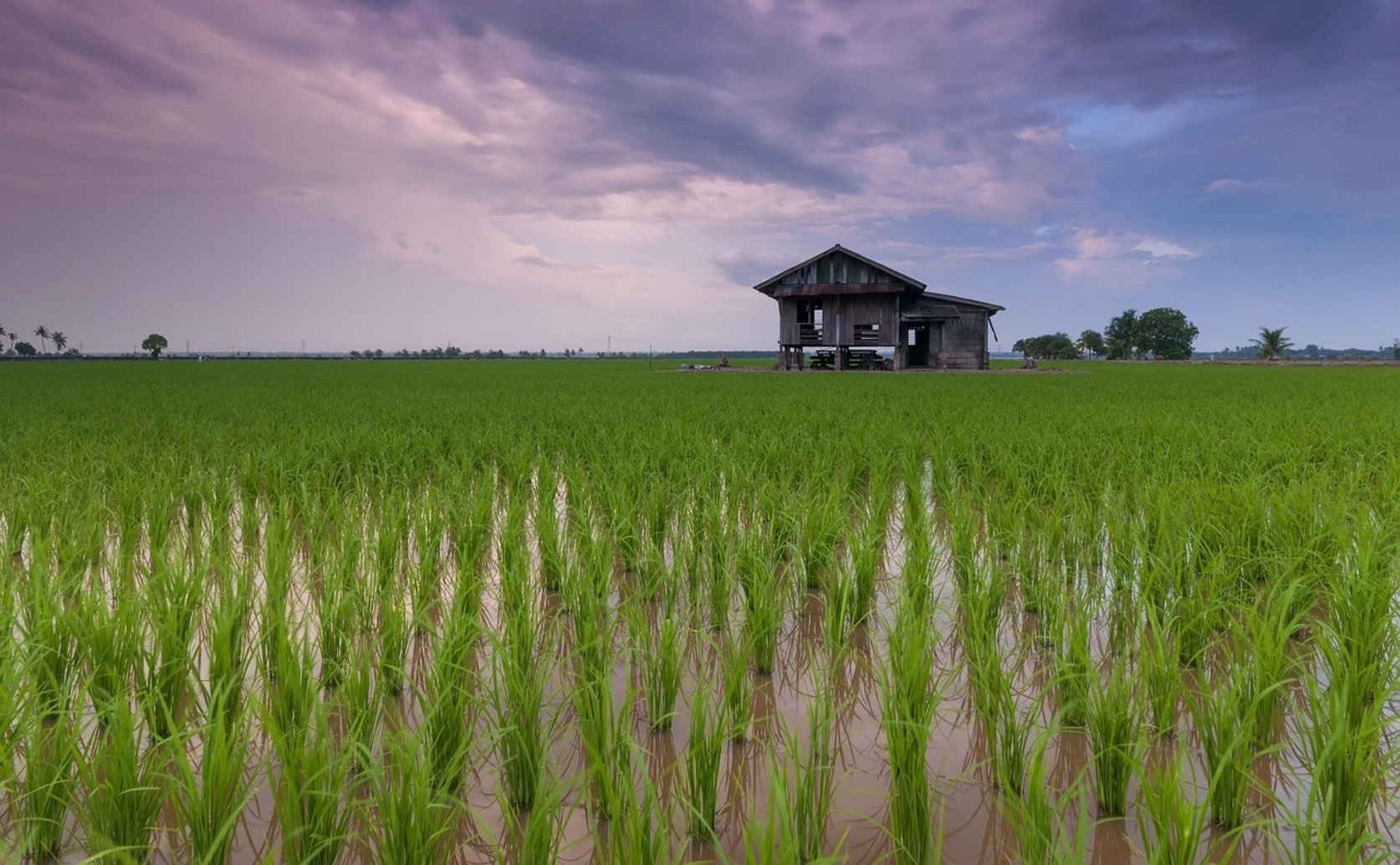
Rice field

Image Source: Pixabay

Key Findings

  • *In Kashmir, researchers discovered that maintaining rice fields either by traditional flooding or keeping the soil at field capacity significantly enhances plant growth and yields.*
  • *Using higher nitrogen levels (125% of the recommended dose) alongside field capacity irrigation not only boosts rice production but also maximizes economic returns for farmers.*
  • *Optimizing both water and nitrogen usage offers a sustainable and profitable approach to rice farming, addressing challenges of water scarcity and environmental impact.*
Rice is a staple food for billions worldwide, but its production faces significant challenges due to the global scarcity of irrigation water. As populations grow, the demand for rice increases, making it essential to enhance rice yields while conserving water. Additionally, the use of nitrogen fertilizers, while boosting crop production, can have negative environmental impacts if not managed efficiently[2]. Understanding how to optimize both water and nitrogen usage is crucial for sustainable rice farming. A recent study conducted by Sher-e-Kashmir University of Agricultural Sciences and Technology[1] addresses this issue by investigating the effects of different irrigation regimes and nitrogen application rates on rice growth, yield, and economic returns. Conducted over the 2021 and 2022 growing seasons, the researchers designed two field experiments using a split plot arrangement. They tested four nitrogen levels and four irrigation treatments, which included recommended irrigation scheduling, maintaining field capacity, and allowing 10% and 20% depletion from field capacity. Each treatment was replicated three times to ensure reliable results. The study found that the recommended irrigation schedule, which involved flooding the fields, significantly improved various growth characteristics of rice plants. These improvements included increased plant height, more dry matter accumulation, a larger leaf area index (a measure of leaf coverage), higher tiller counts (the number of stems a plant produces), and enhanced SPAD values, which indicate chlorophyll content and thus the plant’s health. Additionally, the Normalized Difference Vegetation Index (NDVI), a measure of plant health based on how plants reflect light, was higher under recommended irrigation. These plants also maintained better leaf relative water content and showed superior yield attributes compared to other irrigation treatments. Interestingly, the yields from the recommended irrigation schedule were comparable to those where irrigation water was maintained at field capacity, with grain yields reaching up to 8.58 tons per hectare in 2021 and 8.4 tons per hectare in 2022. This suggests that maintaining irrigation at field capacity can be almost as effective as the recommended flooding method while potentially using less water. The study also highlighted that applying nitrogen at 125% of the recommended dose, combined with irrigation at field capacity, resulted in the highest benefit–cost ratio of 1.64. This was closely followed by using 100% of the recommended nitrogen dose with the same irrigation regime, which had a benefit–cost ratio of 1.60. These findings indicate that optimizing nitrogen usage not only enhances yield but also improves the economic viability of rice farming. This research builds on previous studies that have explored the role of nitrogen in rice growth. For instance, prior work showed that post-anthesis nitrogen uptake and translocation are crucial for photosynthesis and grain filling, affecting leaf longevity and overall yield[3]. The current study complements these findings by demonstrating how different nitrogen levels interact with irrigation practices to influence rice productivity. Moreover, another study identified the genetic factors that contribute to nitrogen-use efficiency in rice, highlighting the OsTCP19 gene's role in modulating the plant’s response to nitrogen[2]. Understanding these genetic mechanisms can further enhance strategies for nitrogen management in rice cultivation. Furthermore, the study aligns with research focused on mitigating water stress in rice plants. Previous findings indicated that elevating nitrogen levels before water shortages can help plants cope with drought by enhancing antioxidant defenses through nitric oxide accumulation[4]. The current study’s exploration of varying irrigation and nitrogen levels provides practical insights into how farmers can balance water and nitrogen use to achieve optimal growth and yield, even under water-limited conditions. The methods used in the Sher-e-Kashmir University study were rigorous, employing a split plot design that allowed for the simultaneous evaluation of multiple factors. By systematically varying both irrigation and nitrogen levels, the researchers could isolate the effects of each factor and their interactions. This approach provided a comprehensive understanding of how different management practices affect rice growth and productivity. In summary, the study conducted by Sher-e-Kashmir University of Agricultural Sciences and Technology offers valuable insights into optimizing irrigation and nitrogen application in rice farming. By identifying the most effective combinations of water and nitrogen usage, the research contributes to more sustainable and economically viable rice production. These findings are particularly relevant in the context of global water scarcity and the need to reduce the environmental impact of nitrogen fertilizers. By integrating previous research on nitrogen uptake, genetic efficiency, and drought mitigation, this study presents a holistic approach to improving rice yields while conserving essential resources.

AgricultureSustainabilityPlant Science

References

Main Study

1) Optimizing irrigation and nitrogen levels to achieve sustainable rice productivity and profitability

Published 24th February, 2025

https://doi.org/10.1038/s41598-025-90464-8


Related Studies

2) Genomic basis of geographical adaptation to soil nitrogen in rice.

https://doi.org/10.1038/s41586-020-03091-w


3) Effects of Post-Anthesis Nitrogen Uptake and Translocation on Photosynthetic Production and Rice Yield.

https://doi.org/10.1038/s41598-018-31267-y


4) Elevated Nitrogen Priming Induced Oxinitro-Responses and Water Deficit Tolerance in Rice.

https://doi.org/10.3390/plants10020381


Related Articles

An unhandled error has occurred. Reload 🗙