
New Green Solution For Oil Spills Using Nanomaterials And Spirulina
Greg Howard
18th August, 2025


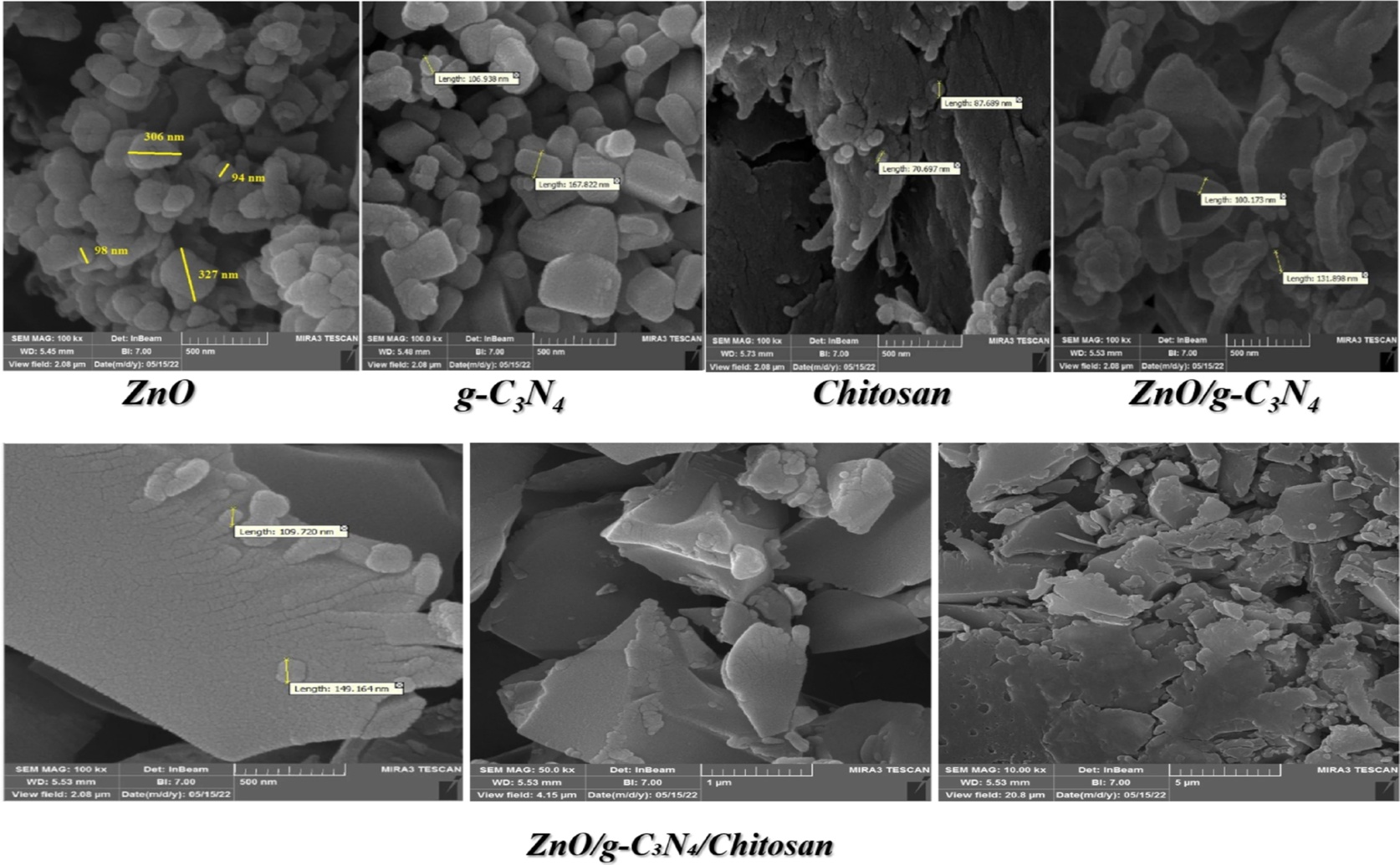
FESEM imaging reveals the morphological transformation from individual components to a unified ZnO/g-C3N4/chitosan nanocomposite, exhibiting a compact, interconnected structure with a roughened surface that indicates successful material integration for efficient naphthalene adsorption.
Key Findings
- Researchers at Islamic Azad University developed a new eco-friendly material, a ZnO/g-C3N4/chitosan nanocomposite, to effectively remove harmful naphthalene from water
- This new material efficiently removed up to 90% of naphthalene in ideal conditions and could be reused multiple times after chemical cleaning
- While its effectiveness dropped in seawater, adding Spirulina algae boosted removal, showing potential for complex real-world water treatment
EnvironmentSustainabilityBiotech
References
Main Study
1) A novel synergistic and eco-friendly approach for efficient crude oil removal from water using ZnO/g-C3N4/chitosan nanostructure and spirulina algae
Published 15th August, 2025
Journal: Scientific Reports
Issue: Vol 15, Issue 2, 8 2025
Related Studies
2) Polycyclic Aromatic Hydrocarbons (PAHs) in the Environment: Occupational Exposure, Health Risks and Fertility Implications.
3) Preparation of ultra-light, highly compressible, and biodegradable chitosan porous materials for heavy metal adsorption, dye adsorption and oil-water separation.
4) Biosorption of petroleum compounds from aqueous solutions using walnut shells.
Related Articles
 13th January, 2025 | Jim Crocker