Unlocking Wheat Genes For Better Nutrition In Hot, Dry Times

Greg Howard
16th August, 2025

Unlocking Wheat Genes For Better Nutrition In Hot, Dry Times

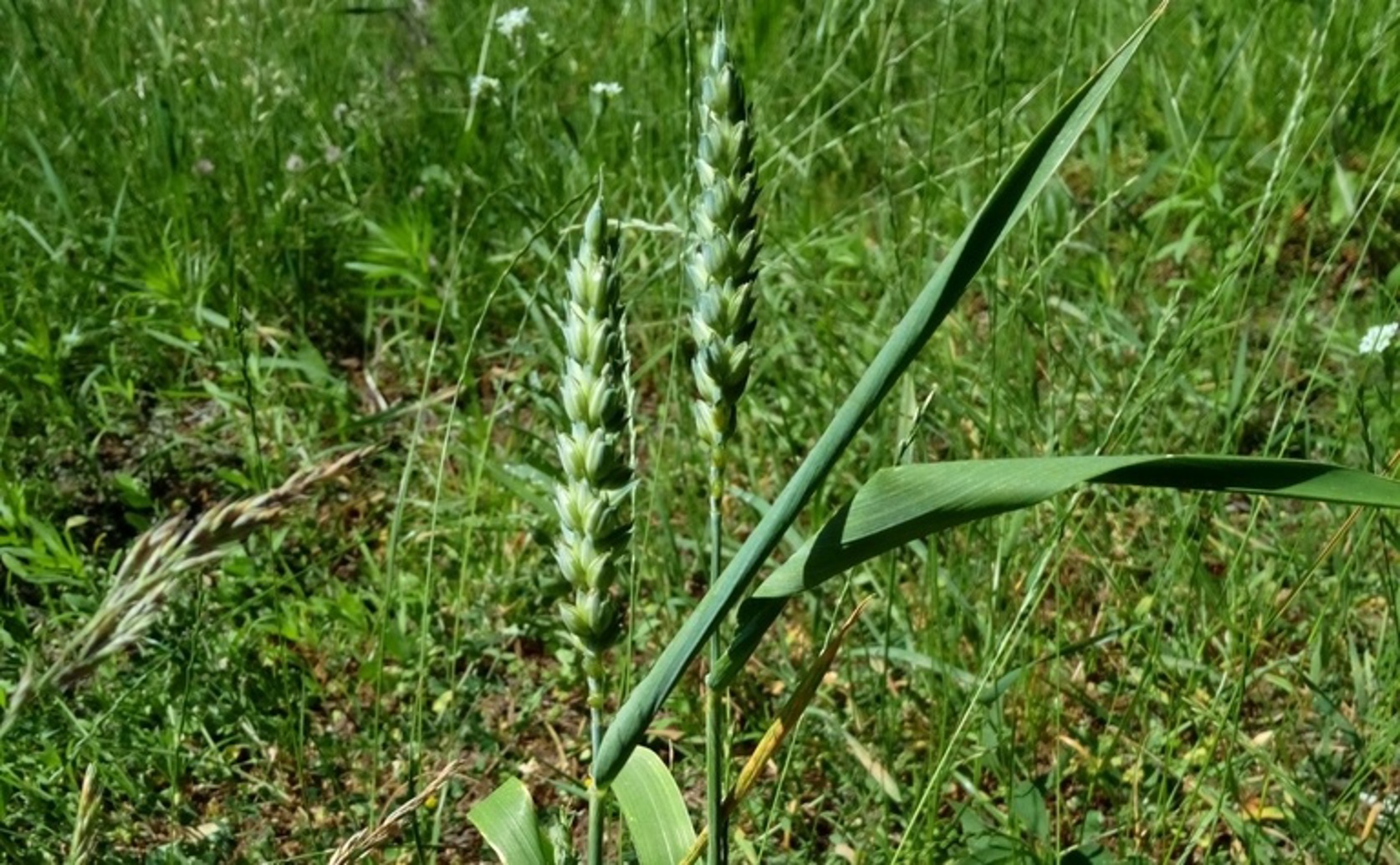
Bread Wheat (Triticum aestivum)

Photo adapted from: Paulius Rupšas / CC BY (Source)

Key Findings

  • Researchers in India identified specific genetic markers in wheat linked to higher iron, zinc, and grain weight, even under drought and heat stress
  • They pinpointed 37 genetic regions, including key markers on chromosome 7A for iron and 2D for zinc, which are involved in nutrient uptake and stress response
  • This led to identifying nine superior wheat types that combine high nutrient content with good yield, offering a sustainable way to combat global hidden hunger
Hidden hunger, a global health crisis, affects over two billion people worldwide[2]. It refers to a lack of essential vitamins and minerals, particularly iron and zinc, even when individuals consume enough calories. This deficiency often stems from diets heavily reliant on low-cost, energy-dense staple foods like wheat, which are inherently poor in these vital micronutrients[2]. Such nutritional gaps lead to severe health issues, including impaired growth, weakened immune systems, and hindered neurobehavioral development, especially in vulnerable populations in low- and middle-income countries[3]. Addressing this challenge is central to achieving the United Nations Sustainable Development Goal 2: ending hunger and promoting sustainable agriculture[2]. Compounding this issue, climate change introduces significant abiotic stresses like drought and heat, further threatening the productivity and nutritional quality of staple crops. To combat both hidden hunger and climate vulnerability, researchers are focused on developing new crop varieties that are both resilient to environmental stresses and rich in nutrients. A recent study by ICAR-IARI, ICAR-IIWBR, NBPGR, and Amity University[1] aimed to identify specific genetic regions in wheat that are linked to higher grain iron content (GFeC), grain zinc content (GZnC), and thousand grain weight (TGW), especially when the plants are subjected to heat and drought stress. This research builds upon earlier work, such as that conducted by IARI, which highlighted that wheat's grain iron and zinc content are quantitatively inherited traits influenced by environmental factors like drought and heat stress[4]. To achieve their objective, the researchers evaluated 280 genetically diverse wheat genotypes over two years. They grew these genotypes under three distinct conditions: timely sown (normal growth), late sown (simulating heat stress), and restricted irrigation (simulating drought stress). They observed significant variation in iron and zinc levels among the different wheat genotypes across these conditions, indicating that these traits can be passed on from one generation to the next, a concept known as moderate heritability. The study employed Genome-Wide Association Studies (GWAS), a powerful genetic technique. GWAS works by scanning the entire genetic makeup (genome) of many individuals to find specific genetic markers – tiny variations in DNA sequences called Single Nucleotide Polymorphisms (SNPs) – that are statistically associated with a particular trait. When a marker is linked to a trait, it's called a Marker-Trait Association (MTA). This approach allows scientists to pinpoint precise regions on the chromosomes that influence desired characteristics. Earlier research also successfully used GWAS to identify MTAs for grain iron and zinc content in wheat under stress conditions[4]. Through their GWAS analysis, the current study identified 37 significant MTAs across the various conditions. Specifically, 12 MTAs were linked to thousand grain weight (TGW), 14 to grain iron content (GFeC), and 11 to grain zinc content (GZnC). For grain iron content, four notable MTAs were found on chromosome 7A, with two being specifically associated with heat stress conditions. One of these, a marker named AX-94432820, was located near a gene that codes for a RING-H2 finger protein. These proteins are known to be involved in binding metal ions, which is crucial for nutrient uptake and transport in plants. Another stable SNP, AX-94953068, also on chromosome 7A, was found close to a gene implicated in the plant's stress response mechanisms. For grain zinc content, a stable SNP, AX-95001849, was significant under both normal and drought-stressed conditions. This marker maps to a plasma membrane ATPase, a type of protein that actively pumps substances, including nutrients, across the cell membrane. The identification of such specific genes and their functions provides a deeper understanding of how wheat plants accumulate these vital micronutrients, building on the in silico analysis from previous studies that revealed important transcripts involved in plant metabolism and growth[4]. Beyond identifying individual genetic markers, the researchers used multivariate analysis, a statistical technique that considers multiple traits simultaneously, to calculate MGIDI scores. This allowed them to identify nine superior wheat genotypes that excelled across all three desired traits (iron content, zinc content, and grain weight) and under all tested environmental conditions. These genotypes include RAJ4546, UP3063, and HD3334. These findings are critical for biofortification breeding, which is the process of increasing the nutritional value of food crops through conventional plant breeding. By precisely identifying the genetic markers and the superior genotypes, breeders can now more efficiently develop new wheat varieties. These varieties will not only be better equipped to withstand the increasing challenges posed by climate change but will also naturally contain higher levels of essential micronutrients like iron and zinc. This targeted approach offers a sustainable and cost-effective strategy to combat hidden hunger globally, directly contributing to the effort to improve the nutritional quality of diets for the world's most vulnerable communities[2][3]. The ability to use these identified MTAs for molecular breeding represents a significant step forward in rapidly developing micronutrient-rich varieties of wheat[4].

AgricultureGeneticsPlant Science

References

Main Study

1) Deciphering the genetic basis of grain iron and zinc content in wheat under heat and drought stress using GWAS

Published 14th August, 2025

https://doi.org/10.1371/journal.pone.0329578


Related Studies

2) The global challenge of hidden hunger: perspectives from the field.

https://doi.org/10.1017/S0029665121000902


3) Estimating the global prevalence of zinc deficiency: results based on zinc availability in national food supplies and the prevalence of stunting.

https://doi.org/10.1371/journal.pone.0050568


4) Identification of genomic regions of wheat associated with grain Fe and Zn content under drought and heat stress using genome-wide association study.

https://doi.org/10.3389/fgene.2022.1034947


Related Articles

An unhandled error has occurred. Reload 🗙