Role of Tm-1 Gene in Protecting Tomatoes from Brown Fruit Virus

Jim Crocker
25th May, 2025

Role of Tm-1 Gene in Protecting Tomatoes from Brown Fruit Virus

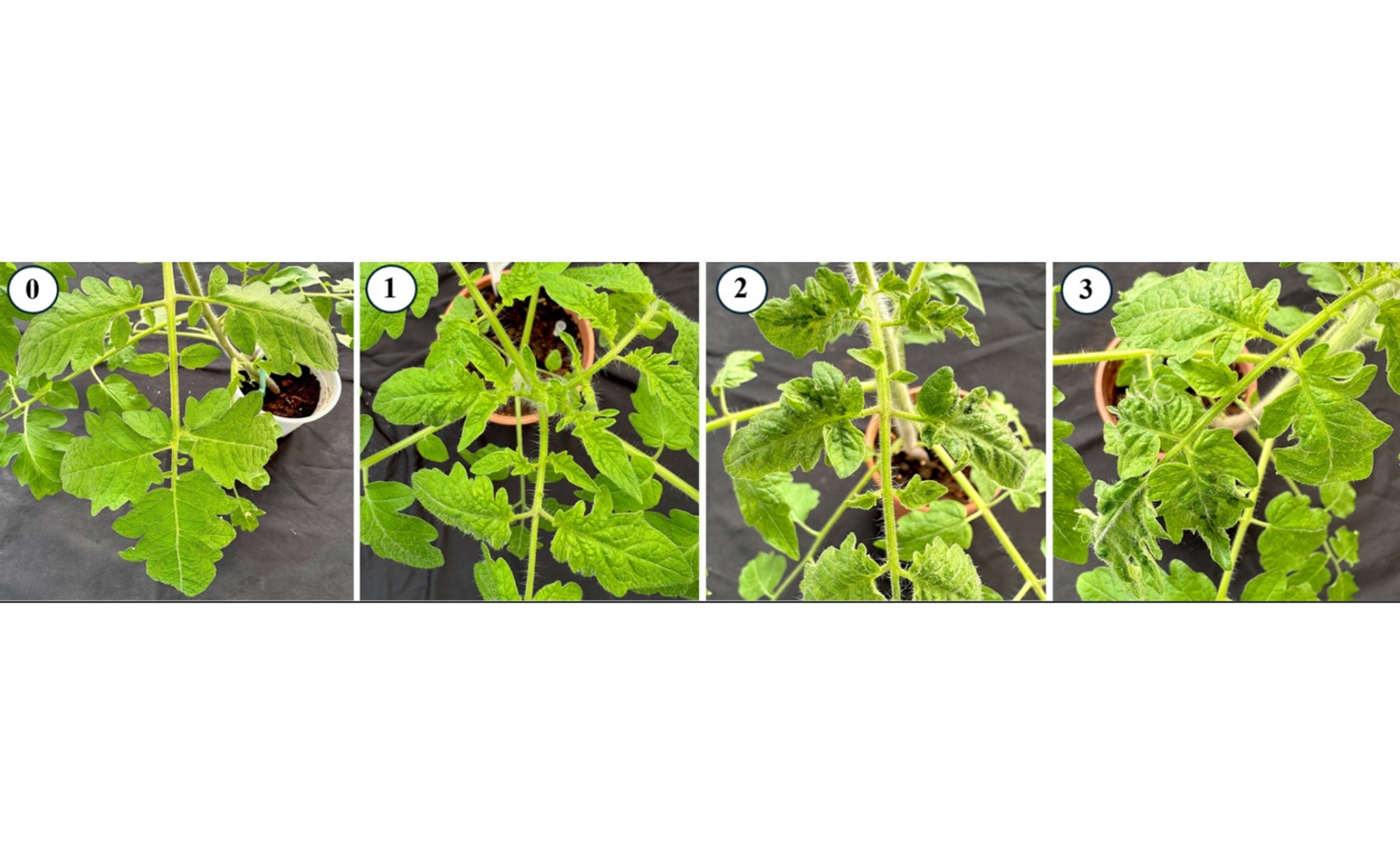
Representative leaves of tomato (Solanum lycopersicum) illustrate the disease severity index used to assess Tomato brown rugose fruit virus infection, ranging from asymptomatic (0) to severe mosaic patterns and leaf deformation (1–3), thereby defining the phenotypic suppression achieved by the interaction between the Tm-1 gene and the tolerance locus.

Image adapted from: Zinger et al. / CC BY (Source)

Key Findings

  • *In Israel, scientists found that combining two specific genes makes tomato plants resistant to the damaging Tomato brown rugose fruit virus (ToBRFV).*
  • *Enhancing one of these genes in partially resistant tomatoes significantly reduced the virus, effectively protecting the plants.*
  • *Disabling this key gene in resistant plants caused them to become vulnerable, confirming its essential role in fighting the virus.*
Tomato crops around the world are facing a new and serious threat from a virus known as Tomato brown rugose fruit virus (ToBRFV). ToBRFV spreads quickly and can cause significant damage to tomato plants, jeopardizing global food security. Understanding and combating this virus is crucial for farmers and researchers alike. Plant viruses like ToBRFV are particularly challenging to control because they can rapidly evolve and adapt. Unlike bacteria or fungi, viruses cannot be easily managed with chemical treatments. Traditionally, farmers have relied on destroying infected plants and using pesticides to reduce the number of insects that spread these viruses. However, these methods are not always effective and can have negative environmental impacts. A more sustainable approach involves breeding tomato plants that are genetically resistant to viruses[2]. In recent years, scientists have made progress in identifying the genetic factors that help plants resist viral infections. One important discovery was a specific region on tomato chromosome 11 that controls how well the plant can tolerate the virus[1]. Building on this, researchers found that combining this region with another genetic factor located on chromosome 2, known as the Tm-1 gene, provides strong resistance to ToBRFV. The Tm-1 gene plays a crucial role in the plant's defense mechanism. In the study conducted by researchers at the Volcani Institute in Israel, they investigated how the Tm-1 gene contributes to resistance against ToBRFV. They discovered that increasing the expression of the Tm-1 gene in tomato plants that were already somewhat tolerant to the virus significantly reduced the amount of virus present in the plants. This effectively made the plants resistant to ToBRFV. Interestingly, when the same gene was overexpressed in tomato plants that were normally susceptible to the virus, it only delayed the appearance of symptoms rather than providing full resistance. To further understand the role of Tm-1, the researchers used a technique called RNA interference (RNAi) to silence the gene in resistant tomato plants. This means they effectively turned off the Tm-1 gene in these plants. The result was that the plants became susceptible to ToBRFV, demonstrating that the presence and proper functioning of the Tm-1 gene are essential for resistance. These findings highlight the importance of the interaction between the Tm-1 gene and the tolerance locus on chromosome 11. This genetic combination is key to achieving effective and durable resistance against ToBRFV. Additionally, the study showed that maintaining normal levels of the recessive tm-1 allele is necessary for the plant's tolerance to the virus. The research conducted by the Volcani Institute builds on earlier studies that have explored plant-virus interactions and resistance mechanisms[2]. By identifying and understanding the specific genes involved in resistance, scientists can develop tomato varieties that are better equipped to withstand viral attacks. This approach not only helps protect crops but also reduces the need for chemical pesticides, promoting more sustainable agricultural practices. Moreover, the identification and characterization of ToBRFV itself, as reported in earlier research[3], provided the foundation for understanding how this virus operates and spreads. Knowing the genetic makeup of the virus allows for more targeted strategies in breeding resistant plants and developing effective management practices. In conclusion, the study from the Volcani Institute represents a significant step forward in the fight against ToBRFV. By elucidating the genetic basis of resistance, researchers are paving the way for developing tomato varieties that can resist this devastating virus. This research not only contributes to securing tomato production but also enhances our overall understanding of plant immunity, offering hope for managing other viral threats in agriculture.

AgricultureGeneticsPlant Science

References

Main Study

1) Contribution of the tobamovirus resistance gene Tm-1 to control of tomato brown rugose fruit virus (ToBRFV) resistance in tomato

Published 23rd May, 2025

https://doi.org/10.1371/journal.pgen.1011725


Related Studies

2) Crop immunity against viruses: outcomes and future challenges.

https://doi.org/10.3389/fpls.2014.00660


3) A new tobamovirus infecting tomato crops in Jordan.

https://doi.org/10.1007/s00705-015-2677-7


Related Articles

An unhandled error has occurred. Reload 🗙