
Studying Tomato Varieties' Salt Tolerance in Young Plants
Greg Howard
25th April, 2025


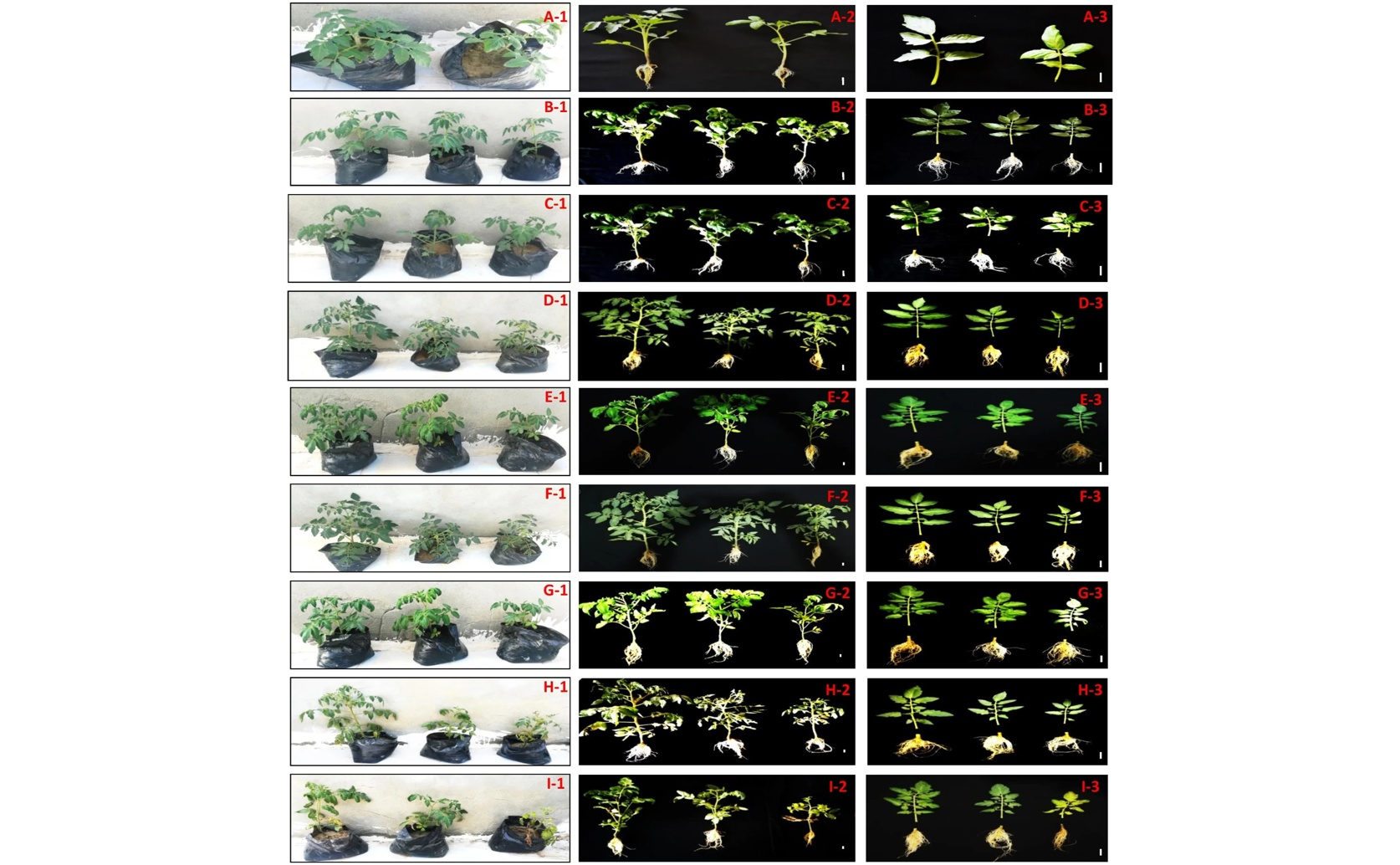
Increasing salt concentrations visibly stunted the growth and development of the two Egyptian tomato (Solanum lycopersicum) genotypes, ‘Edkawy’ and ‘Super strain B’, demonstrating the negative morphological impact of salinity stress investigated in this study.
Key Findings
- In Egypt’s Desert Research Center, scientists identified 254 genes that help tomatoes survive high soil salinity
- They found that certain genes activate under salt stress, increasing sugars and amino acids to protect the plants
- These discoveries can aid in breeding salt-resistant tomato varieties, ensuring better crop yields despite salty conditions
AgricultureGeneticsPlant Science
References
Main Study
1) Physiological and transcriptomic evaluation of salt tolerance in Egyptian tomato landraces at the seedling stage
Published 22nd April, 2025
https://doi.org/10.1186/s12870-025-06358-4
Related Studies
2) Plants' Response to Abiotic Stress: Mechanisms and Strategies.
3) Soil salinity: A serious environmental issue and plant growth promoting bacteria as one of the tools for its alleviation.
4) Defective cytokinin signaling reprograms lipid and flavonoid gene-to-metabolite networks to mitigate high salinity in Arabidopsis.
5) The use of metabolomic quantitative trait locus mapping and osmotic adjustment traits for the improvement of crop yields under environmental stresses.
Related Articles
 26th March, 2025 | Jim Crocker