Algae Protein Boosts Lettuce Growth And Quality

Jenn Hoskins
16th August, 2025

Algae Protein Boosts Lettuce Growth And Quality

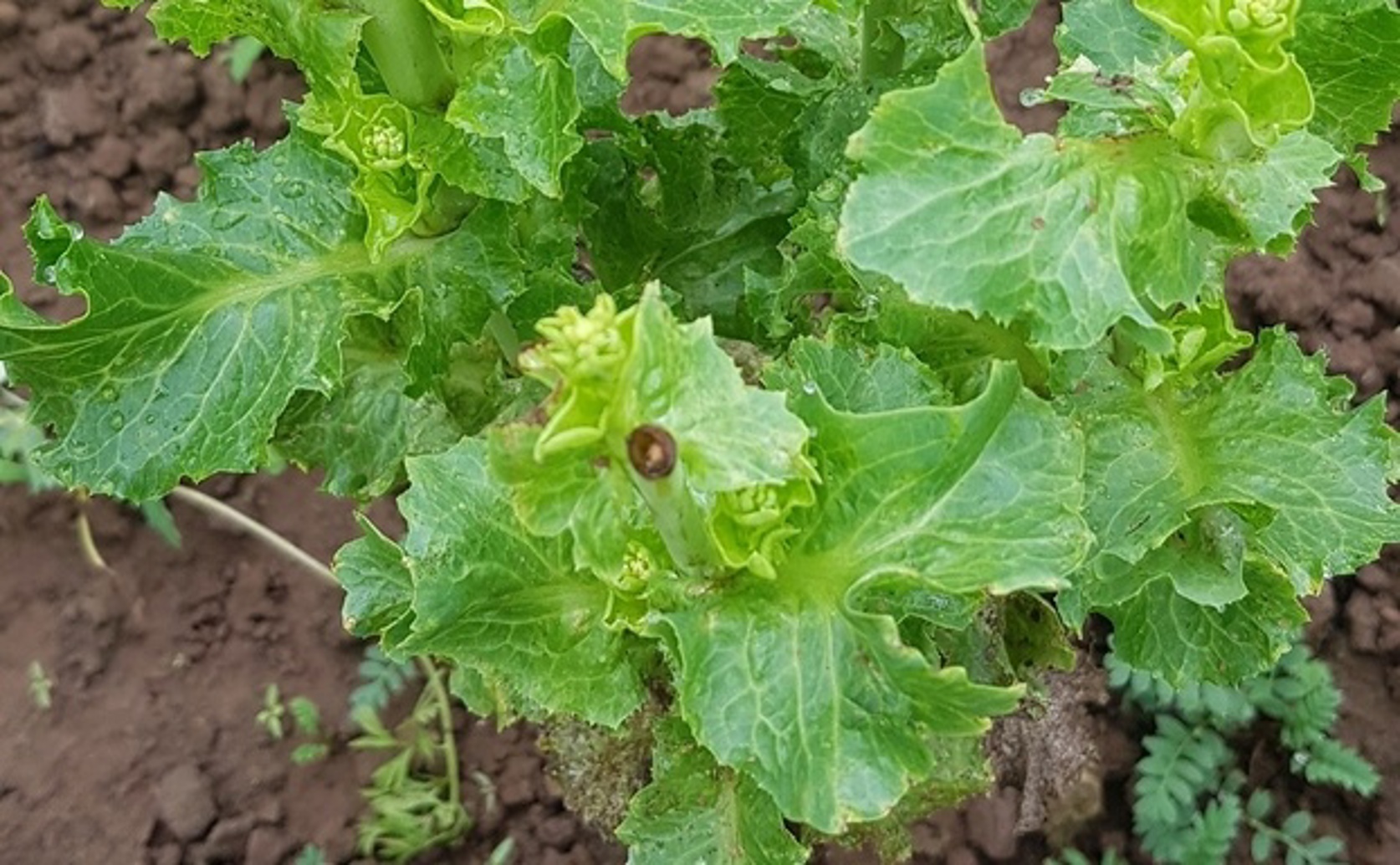
Lettuce (Lactuca sativa)

Photo adapted from: Urgamal Magsar / CC BY (Source)

Key Findings

  • University of Salerno research shows that plant boosters made from leftover microalgae, previously considered waste, significantly improved lettuce growth and health
  • These natural boosters also made lettuce more nutritious by increasing beneficial compounds like antioxidants, outperforming commercial products
The global community faces increasing pressure to ensure food security and enhance agricultural productivity while simultaneously addressing the profound impacts of climate change and promoting sustainable resource use. One promising strategy involves transforming agricultural and industrial by-products, often considered waste, into valuable resources. This process, known as valorization, can lead to the creation of biostimulants – substances that enhance plant growth and resistance to stress, without acting as fertilizers or pesticides. Recent research conducted by the University of Salerno has explored this approach by developing biostimulants from the residues of Chlorella vulgaris biomass, a type of microalgae[1]. The study aimed to assess how these biostimulants, specifically protein hydrolysates, affect lettuce plants, from seed germination through to harvest. Protein hydrolysates are essentially proteins that have been broken down into smaller fragments, making them more readily available and beneficial for plant uptake. This research aligns directly with the broader concept of the bioeconomy, which seeks to reduce our reliance on finite natural resources and mitigate environmental threats[2]. Microalgae, like Chlorella vulgaris, are particularly well-suited for this purpose due to their rapid growth, metabolic flexibility, and high biomass output, even when cultivated in challenging conditions such as wastewater or using industrial flue gases[2]. While microalgae have garnered attention as a renewable biomass source, historically, much of the focus has been on extracting lipids and carbohydrates for biofuels, often leading to the discard of protein-rich residues[3]. The valorization of these microalgal proteins has remained an underdeveloped area, despite their significant potential[3]. This new study from the University of Salerno directly addresses this gap by demonstrating a practical and effective method for utilizing these protein residues. The researchers produced protein hydrolysates (PHs) using enzymatic hydrolysis, a non-mechanical method that involves using enzymes like trypsin and pepsin to break down the proteins. This method echoes the enzymatic hydrolysis techniques mentioned in earlier studies as effective for extracting microalgal proteins[3]. The study found that applying these microalgae-derived biostimulants had multiple positive effects on lettuce. Agronomic traits, which relate to the plant's growth and yield, showed improvement. Physiological parameters, such as stomatal conductance, also benefited. Stomatal conductance refers to how easily gases, including water vapor, can pass through the tiny pores (stomata) on a plant's leaves. A reduction in stomatal conductance can indicate improved water use efficiency, a critical advantage in a changing climate. Crucially, the study also investigated the qualitative traits of the lettuce, focusing on its nutritional profile. It was observed that the content of beneficial plant compounds like flavonoids and anthocyanins significantly improved. Flavonoids and anthocyanins are types of antioxidants, known for their health-promoting properties. This finding is particularly relevant when considering prior research on lettuce. For instance, a previous study detailed the varying composition and content of phenolic acids and flavonoids in different lettuce cultivars, noting that factors like leaf color and maturity stage influence these compounds[4]. That research highlighted that red-pigmented lettuce leaves generally accumulate higher amounts of these beneficial phytoconstituents[4]. The current study expands on this by demonstrating that microalgae-derived biostimulants can actively enhance the accumulation of these valuable compounds in lettuce, regardless of natural variation, thereby potentially boosting the nutritional quality of the crop. Specifically, the protein hydrolysates obtained through trypsin-induced hydrolysis (TPH-1000) led to the highest content of bioactive compounds and antioxidant activity in the lettuce, outperforming both untreated plants and those given a commercial biostimulant. Additionally, pepsin protein hydrolysates (PPH-1000) also showed substantial improvements across agronomic, physiological, and qualitative measures. These results underscore the potential of biostimulants derived from agro-industrial by-products. By transforming what was once considered waste into valuable agricultural inputs, this approach offers a resource-efficient pathway to enhance crop productivity and food quality. It contributes to the vision of zero-waste biorefineries and promotes more sustainable agricultural practices, which are essential for navigating the challenges posed by climate change and ensuring global food security. The research exemplifies how the valorization of microalgal proteins, a field still in its early stages[3], can yield tangible benefits for sustainable materials development and environmental protection.

AgricultureBiotechPlant Science

References

Main Study

1) Protein hydrolysates derived from residual after polysaccharide extraction of Chlorella vulgaris biomass improves yield and quality of baby leaf lettuce

Published 13th August, 2025

https://doi.org/10.1038/s41598-025-15748-5


Related Studies

2) The role of microalgae in the bioeconomy.

https://doi.org/10.1016/j.nbt.2020.11.011


3) Microalgal proteins for a circular bioeconomy: Nutritional, material, and chemical valorization.

https://doi.org/10.1016/j.biortech.2025.133049


4) Identification and quantification of selected metabolites in differently pigmented leaves of lettuce (Lactuca sativa L.) cultivars harvested at mature and bolting stages.

https://doi.org/10.1186/s13065-019-0570-2


Related Articles

An unhandled error has occurred. Reload 🗙