Exploring A Method To Study Guarana Seeds

Greg Howard
1st August, 2025

Exploring A Method To Study Guarana Seeds

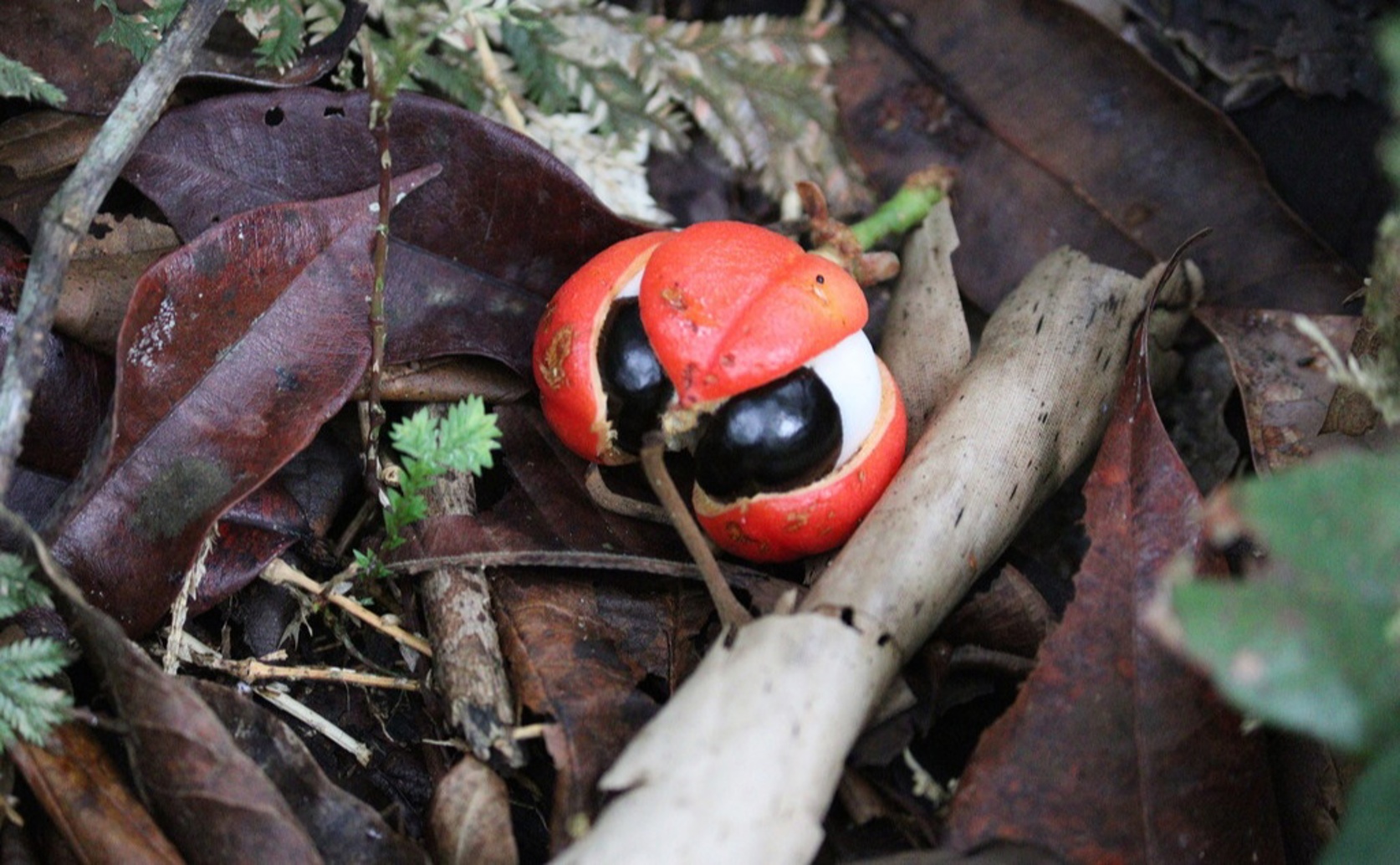
Guarana (Paullinia cupana)

Photo adapted from: Conrado Pável de Oliveira / CC BY (Source)

Key Findings

  • A study by the Federal University of Santa Maria found that guarana consumption in fruit flies significantly improved their health, increasing lifespan, physical activity, and stress resistance
  • This research revealed that guarana achieves these benefits by boosting the flies' detoxification genes and strengthening their internal antioxidant systems
  • Additionally, guarana positively altered the flies' gut bacteria, increasing beneficial species linked to better health and longer life
Guarana, a plant native to the Amazon, has been a staple for indigenous communities for centuries, traditionally consumed for its stimulating properties[2]. It is well-known for its high caffeine content, which can reach up to 6% in its seeds, making it a key ingredient in modern energy drinks and soft drinks globally[2][3]. Beyond its stimulant effects, guarana has also been historically used as a tonic and to treat various ailments[3]. Despite its widespread use and perceived benefits, the precise biological mechanisms behind many of guarana’s effects have remained largely unexplored by the scientific community, with studies often focusing primarily on caffeine[2]. This gap in understanding limits our ability to fully appreciate and harness its potential therapeutic applications. Recent research conducted by the Federal University of Santa Maria[1] aimed to shed light on these underlying mechanisms. To do this, they established a model system using the fruit fly, Drosophila melanogaster, a common organism in genetic and biological research due to its relatively simple genetics and short lifespan, which allows for rapid observation of long-term effects. The study investigated how the ingestion of guarana affects various physiological aspects in these flies. The findings were significant. The researchers observed that guarana consumption led to several beneficial outcomes in the fruit flies. It enhanced their resistance to oxidative stress, a process where unstable molecules called free radicals damage cells, contributing to aging and disease. Guarana also increased the flies' longevity, meaning they lived longer. Furthermore, it improved their physical activity and fecundity, which refers to their reproductive capacity. These observations provide concrete evidence that guarana exerts more than just a stimulating effect, aligning with the idea that it possesses "other therapeutic properties" that warrant scientific interest[2]. To delve deeper into how guarana achieves these effects, the researchers employed advanced molecular techniques. They performed transcriptomic analysis, which involves studying the complete set of RNA molecules, or transcripts, in a cell or organism. This analysis revealed changes in gene activity, specifically identifying 58 genes that were upregulated (meaning their activity increased) and eight that were downregulated (meaning their activity decreased) in guarana-fed flies. Among the highly upregulated genes were those responsible for producing detoxification enzymes, such as cytochromes P450 (CYPs), glutathione S-transferases (GSTs), and Juvenile hormone epoxide hydrolase 1 (Jheh1). These enzymes play crucial roles in breaking down harmful substances and protecting cells from damage. Complementing the transcriptomic data, metabolomic analysis was conducted. Metabolomics is the study of small molecules, or metabolites, within cells, tissues, or organisms, providing a snapshot of metabolic processes. This analysis showed that guarana ingestion promoted glutathione metabolism, which is a vital antioxidant system in the body. Glutathione is a powerful antioxidant that helps neutralize free radicals and protect cells from oxidative damage. The promotion of this system, coupled with the increased activity of detoxification enzymes, likely forms the molecular basis for the enhanced oxidative stress resistance and increased longevity observed in the guarana-fed flies. This provides a scientific explanation for how guarana might contribute to health benefits beyond its stimulant properties, addressing the call in earlier reviews for studies to "elucidate the effects of guarana's bioactive components and their potential pharmacological applications"[2]. The study also explored the impact of guarana on the flies' gut microbiome through fecal microbiome analysis. The gut microbiome refers to the community of microorganisms living in the digestive tract, which are increasingly recognized for their profound influence on health and disease. The analysis revealed significant changes in the composition of the flies' gut bacteria. Guarana increased the proportion of beneficial Lactobacillus species, which are known probiotics—microorganisms that, when consumed, provide health benefits to the host. Some Lactobacillus species have even been linked to extended longevity. Conversely, guarana decreased the proportion of Enterococcus faecalis, a species known to potentially reduce longevity. These alterations in the gut microbiome could also contribute to the overall beneficial effects observed from dietary guarana, suggesting a complex interplay between the plant's compounds, the host's physiology, and its microbial inhabitants. This research from the Federal University of Santa Maria represents a fundamental step forward in understanding the biological mechanisms of guarana. While previous studies have highlighted guarana's high caffeine content and its role in the global beverage market[3][4], this new work expands our knowledge by demonstrating specific molecular pathways and microbial interactions that contribute to its broader health benefits. It provides foundational data for future investigations into guarana’s biological actions, potentially paving the way for new applications in health and medicine, moving beyond its primary use as a stimulant.

GeneticsPlant ScienceAnimal Science

References

Main Study

1) Characterization of a Drosophila model to study functions of guarana seeds

Published 31st July, 2025

https://doi.org/10.1371/journal.pone.0328985


Related Studies

2) Guarana: revisiting a highly caffeinated plant from the Amazon.

https://doi.org/10.1016/j.jep.2013.08.023


3) Guaraná's Journey from Regional Tonic to Aphrodisiac and Global Energy Drink.

https://doi.org/10.1093/ecam/nem162


4) Molecular and biochemical characterization of caffeine synthase and purine alkaloid concentration in guarana fruit.

https://doi.org/10.1016/j.phytochem.2014.04.018


Related Articles

An unhandled error has occurred. Reload 🗙