
How Domestication Lowers Stress In Tamed Versus Wild Fish
Greg Howard
26th June, 2025


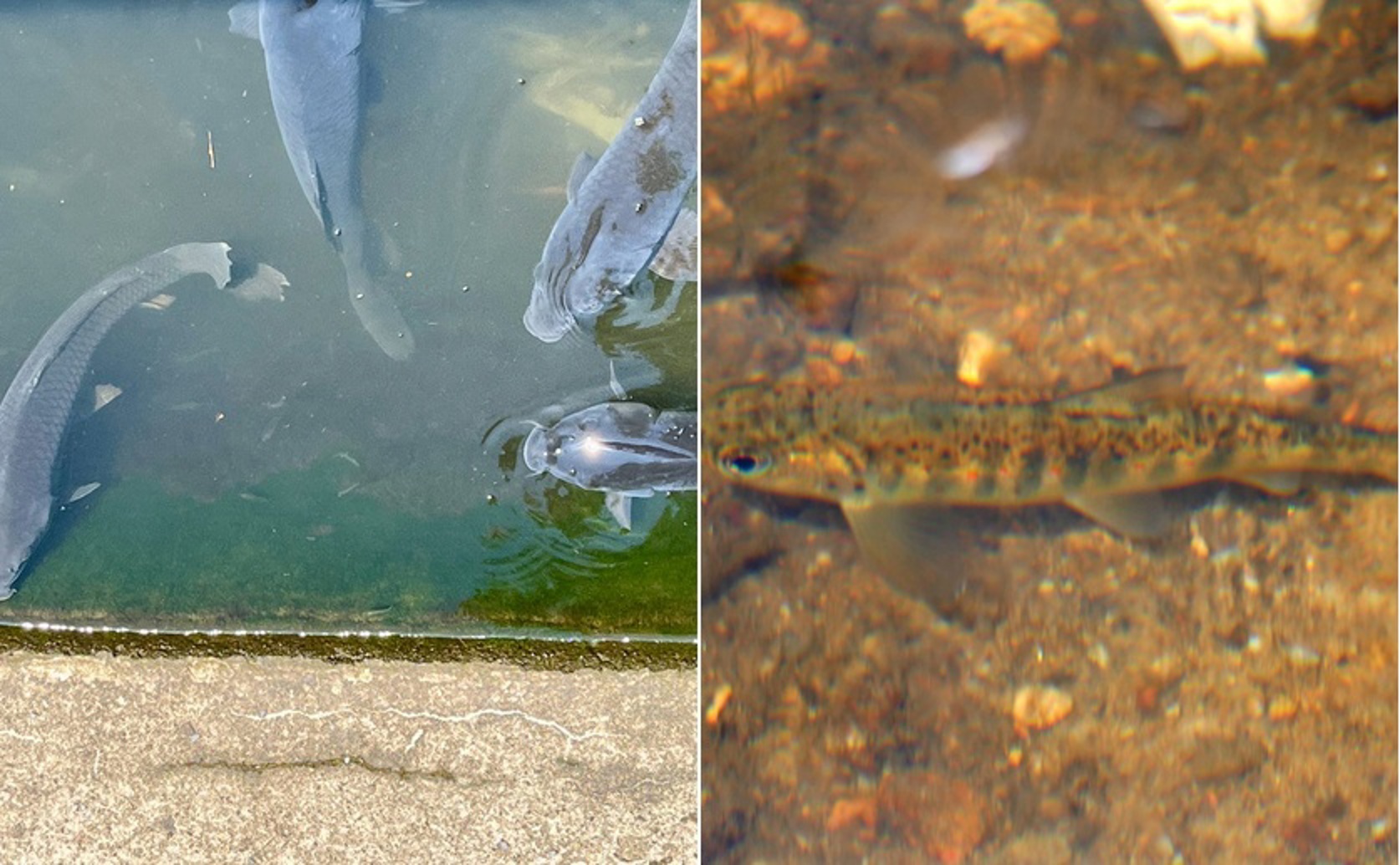
Analysis of scale cortisol biomarkers reveals that domesticated strains of Common carp (Cyprinus carpio, left) and Atlantic salmon (Salmo salar, right) maintain significantly lower chronic stress levels than wild populations, supporting the hypothesis that domestication drives stress resilience.
Composite: Natural Science News / CC BY. [Sources]
Key Findings
- A study by Bournemouth University and collaborators found domesticated common carp and Atlantic salmon show significantly lower and less varied chronic stress levels than their wild counterparts
- Wild fish, however, display a much broader range of stress responses, including some individuals with very high stress, which may also be an adaptation to their unpredictable natural environments
- This reduced stress variability in domesticated fish likely stems from selective breeding for traits beneficial in controlled settings, potentially making them less resilient to wild conditions
AgricultureHealthAnimal Science
References
Main Study
1) Domestication as the driver of lower chronic stress levels in fish in catch-and-release recreational fisheries and aquaculture versus wild conspecifics
Published 25th June, 2025
https://doi.org/10.1371/journal.pone.0326497
Related Studies
2) The ecological causes of evolution.
3) Cryptic introgression: evidence that selection and plasticity mask the full phenotypic potential of domesticated Atlantic salmon in the wild.
4) Introgression of domesticated salmon changes life history and phenology of a wild salmon population.
5) Behavioural and morphological differences between feral and domesticated strains of common carp Cyprinus carpio.
Related Articles
 20th July, 2024 | Jenn Hoskins