Using Cold Stress to Assess Two Bird Flu Strains' Harm in Chickens

Greg Howard
7th April, 2025

Using Cold Stress to Assess Two Bird Flu Strains' Harm in Chickens
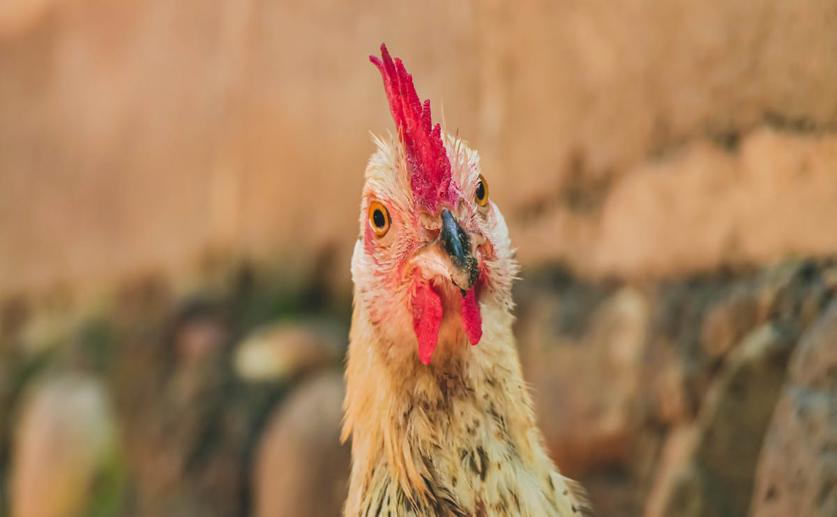
Image Source: Armando H (photographer)

Key Findings

  • In Morocco, researchers discovered that cold temperatures make H9N2 bird flu in chickens more severe, causing stronger symptoms without needing other infections
  • The 2022 H9N2 virus strain was found to be more infectious and persisted longer than the 2016 strain, indicating it has become more aggressive
  • This study provides a new way to study H9N2, helping develop better vaccines and strategies to protect both poultry and public health
Avian influenza viruses, particularly the H9N2 subtype, have become a significant concern for both the poultry industry and public health. While classified as low pathogenic, H9N2 viruses can cause substantial economic losses in poultry production and possess the potential to infect humans[2]. Understanding the behavior and impact of these viruses is crucial for developing effective control strategies. In Morocco, the H9N2 avian influenza virus emerged as a major issue for poultry since 2016[3]. Despite being labeled low pathogenic, outbreaks have led to severe economic consequences, especially when co-infections with other pathogens occur. Traditionally, reproducing the clinical symptoms of H9N2 in laboratory settings has been challenging without introducing additional viral or bacterial agents. To address this, researchers at the Institut Agronomique et Vétérinaire Hassan II conducted a study to evaluate a new challenge model that incorporates cold stress in commercial broilers infected with two Moroccan H9N2 strains isolated in 2016 and 2022[1]. The study involved 120 day-old chicks divided into four groups. Groups A and B were exposed to cold stress and then challenged with H9N2 viruses from different years via the oculo-nasal route. Group C experienced only cold stress, while Group D served as a negative control. Over a 15-day period, the researchers monitored various parameters including body weight gain, clinical signs, lesions, mortality, and viral shedding from the oropharynx. Results indicated that cold stress significantly worsened the clinical signs of H9N2 infection, enabling the establishment of a scoring system to assess disease severity without the need for co-infections. Both gross and microscopic lesions, primarily affecting the respiratory tract, were most severe at five days post-infection (dpi) and showed considerable improvement by 15 dpi. Notably, the 2022 isolate (Group B) exhibited higher viral loads and extended viral shedding beyond 11 dpi compared to the 2016 isolate. This increase in virulence over time underscores the evolving threat posed by H9N2 viruses. These findings align with earlier research highlighting the adaptability and persistence of H9N2 viruses. Studies have shown that H9N2 can undergo genetic changes that enhance their ability to infect different hosts, including humans[2][4]. Specifically, the G1 and Y280 lineages of H9N2 have been associated with human infections and possess genetic markers that facilitate transmission and virulence[2][5]. The Moroccan isolates from the study also belong to the G1 lineage, which is known for its zoonotic potential and ability to acquire mutations that increase human receptor binding[3]. Moreover, the continuous emergence of H9N2 infections in humans, particularly in regions like China and the Middle East, emphasizes the need for vigilant surveillance and control measures[4][5]. The establishment of a reliable challenge model using cold stress, as demonstrated by the Institut Agronomique et Vétérinaire Hassan II, provides a valuable tool for further investigating the pathogenesis and epidemiology of H9N2. This model can help researchers develop vaccines and other interventions that are more effective under field conditions, thereby mitigating both economic losses and public health risks. The study also highlights the importance of regional surveillance and control strategies. With H9N2 viruses circulating extensively in poultry across various regions, including Africa and the Middle East, there is a heightened risk of these viruses contributing to the emergence of more pathogenic strains. For instance, H9N2 has been implicated in the genetic makeup of other deadly avian influenza viruses like H5N1 and H7N9, which have caused significant human fatalities[5]. Therefore, controlling H9N2 at its source is crucial for preventing potential pandemics. Additionally, the research underscores the challenges in vaccine efficacy due to antigenic drift and the presence of concurrent infections that can complicate disease outcomes[3]. Effective vaccines must be regularly updated to match the circulating strains, and comprehensive biosecurity measures need to be implemented to reduce the spread of the virus among poultry farms. In conclusion, the study from the Institut Agronomique et Vétérinaire Hassan II showcases the evolving nature of H9N2 avian influenza viruses and the necessity for innovative research approaches. By incorporating cold stress into their challenge model, the researchers have provided deeper insights into the virus's behavior and its impact on poultry health. This advancement not only aids in better understanding the disease but also reinforces the need for coordinated efforts in surveillance, vaccination, and biosecurity to safeguard both the poultry industry and public health.

AgricultureHealthAnimal Science

References

Main Study

1) Development of an experimental model using cold stress to assess the pathogenicity of two Moroccan AI H9N2 isolates from 2016 and 2022 in commercial broiler chickens

Published 4th April, 2025

https://doi.org/10.1371/journal.pone.0320666


Related Studies

2) The Multifaceted Zoonotic Risk of H9N2 Avian Influenza.

https://doi.org/10.3390/vetsci5040082


3) First outbreaks and phylogenetic analyses of avian influenza H9N2 viruses isolated from poultry flocks in Morocco.

https://doi.org/10.1186/s12985-016-0596-1


4) Human-infecting influenza A (H9N2) virus: A forgotten potential pandemic strain?

https://doi.org/10.1111/zph.12685


5) A brief summary of the epidemiology and genetic relatedness of avian influenza H9N2 virus in birds and mammals in the Middle East and North Africa.

https://doi.org/10.1017/S0950268817002576


Related Articles

An unhandled error has occurred. Reload 🗙