Link Between Antioxidant Vitamins and Teen Mental Health

Greg Howard
27th May, 2025

Link Between Antioxidant Vitamins and Teen Mental Health

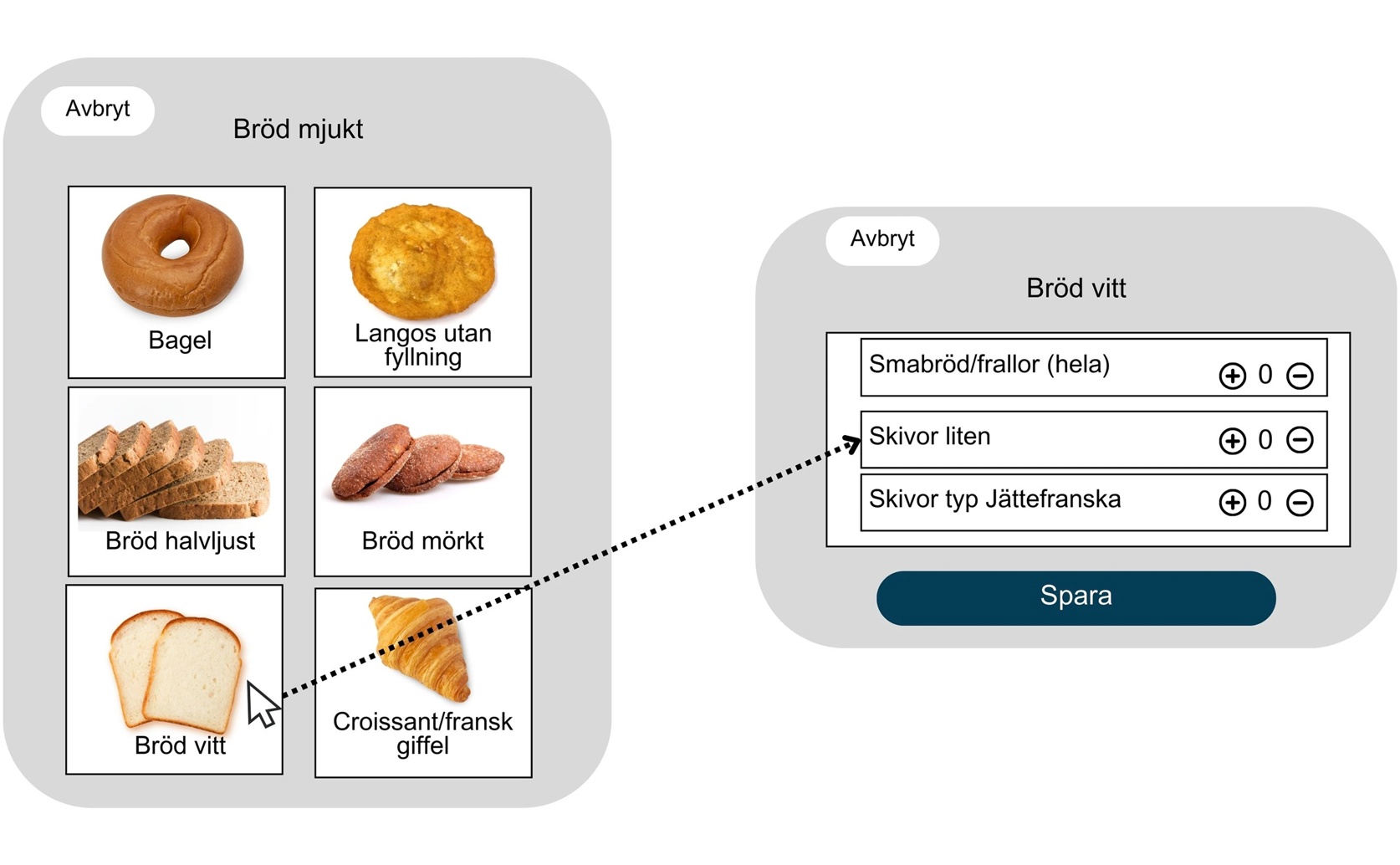
The RiksmatenFlexDiet interface facilitated the detailed reporting of food categories and portion sizes (left and right panels), providing the dietary data used to identify inverse associations between antioxidant intake and anxiety or psychosomatic symptoms in adolescents.

Image adapted from: Pensa et al. / CC BY (Source)

Key Findings

  • A study in Stockholm found that teens who consume more β-carotene have lower anxiety and better overall well-being
  • Higher vitamin C intake was linked to fewer physical stress-related symptoms in adolescents
  • Vitamin E levels showed no significant impact on mental health outcomes in the study
Mental health issues among adolescents have been on the rise, raising concerns about their long-term effects. Recent research from the Swedish School of Sport and Health Sciences in Stockholm[1] explores how certain nutrients, specifically dietary antioxidants, might influence mental well-being in young people. Antioxidants like vitamin C, vitamin E, and β-carotene are known for their ability to combat oxidative stress and reduce inflammation in the body. These processes are increasingly linked to various mental health conditions, including anxiety and depression. However, the exact relationship between these dietary components and mental health in adolescents has remained unclear. In the study conducted by researchers at the Swedish School of Sport and Health Sciences, data were collected from 1,139 Swedish adolescents aged 13 to 14 years. The participants provided detailed information about their dietary habits through a web-based method and completed self-report scales measuring anxiety, psychosomatic symptoms, and health-related quality of life (HRQoL). The researchers employed multiple linear regression analysis, adjusting for potential confounding factors, to examine the associations between mental health outcomes and the intake levels of vitamin C, vitamin E, and β-carotene. The findings revealed that adolescents in the highest third of β-carotene intake experienced lower levels of anxiety and fewer psychosomatic symptoms. They also reported better HRQoL compared to those with lower β-carotene intake. Similarly, higher vitamin C intake was associated with fewer psychosomatic problems. However, no significant associations were found with vitamin E intake. Interestingly, the study also noted gender differences in these associations, particularly within the middle intake tertiles of β-carotene and vitamin C for anxiety and psychosomatic symptoms, respectively. These results align with previous research highlighting the connection between physical health and mental well-being. For instance, a study examining Swedish adolescents found that high levels of psychosomatic symptoms in youth were predictive of depression and anxiety in adulthood[2]. This underscores the importance of addressing mental health issues early in life to prevent long-term consequences. Further back, trends in mental health complaints among Swedish schoolchildren showed increasing rates among older adolescents, especially girls, over the years[3]. This rise in mental health issues among youth emphasizes the need for effective interventions. The current study adds to this narrative by suggesting that dietary factors, such as antioxidant intake, could play a role in mitigating some of these mental health challenges. Additionally, the relationship between nutrition and anxiety disorders has been explored in broader contexts. A scoping review identified various dietary components associated with anxiety, including high-fat diets and inadequate intake of certain proteins and micronutrients[4]. The present study’s focus on β-carotene and vitamin C contributes to this growing body of evidence, highlighting specific nutrients that may be beneficial for adolescent mental health. Moreover, the consistent association of functional somatic symptoms (FSS) with anxiety and depressive disorders across the lifespan[5] further supports the interconnectedness of physical and mental health. By identifying dietary antioxidants as potential protective factors, the study offers a tangible avenue for improving mental health outcomes through nutritional interventions. The researchers suggest that increasing the intake of β-carotene and vitamin C could be a simple yet effective strategy to enhance mental health among adolescents. Foods rich in these antioxidants, such as fruits and vegetables, might help reduce anxiety and improve overall quality of life. However, the study also calls for more research, particularly longitudinal studies and diverse population samples, to better understand these relationships and inform public health strategies. In summary, the study from the Swedish School of Sport and Health Sciences provides valuable insights into how diet, specifically antioxidant intake, may influence mental health in adolescents. By connecting these findings with earlier research, it becomes clear that addressing nutritional factors could be a key component in tackling the rising mental health challenges faced by today's youth.

NutritionHealthMental Health

References

Main Study

1) Associations between antioxidant vitamin intake and mental health in Swedish adolescents: a cross-sectional study

Published 24th May, 2025

https://doi.org/10.1007/s00394-025-03701-1


Related Studies

2) Among the swedish generation of adolescents who experience an increased trend of psychosomatic symptoms. Do they develop depression and/or anxiety disorders as they grow older?

https://doi.org/10.1186/s12888-022-04432-x


3) Discrepant trends in mental health complaints among younger and older adolescents in Sweden: an analysis of WHO data 1985-2005.

https://doi.org/10.1016/j.jadohealth.2009.07.003


4) Diet and Anxiety: A Scoping Review.

https://doi.org/10.3390/nu13124418


5) Annual research review: functional somatic symptoms and associated anxiety and depression--developmental psychopathology in pediatric practice.

https://doi.org/10.1111/j.1469-7610.2012.02535.x


Related Articles

An unhandled error has occurred. Reload 🗙