Organic Food During Pregnancy and Child Neurodevelopment

Greg Howard
22nd October, 2024

Organic Food During Pregnancy and Child Neurodevelopment

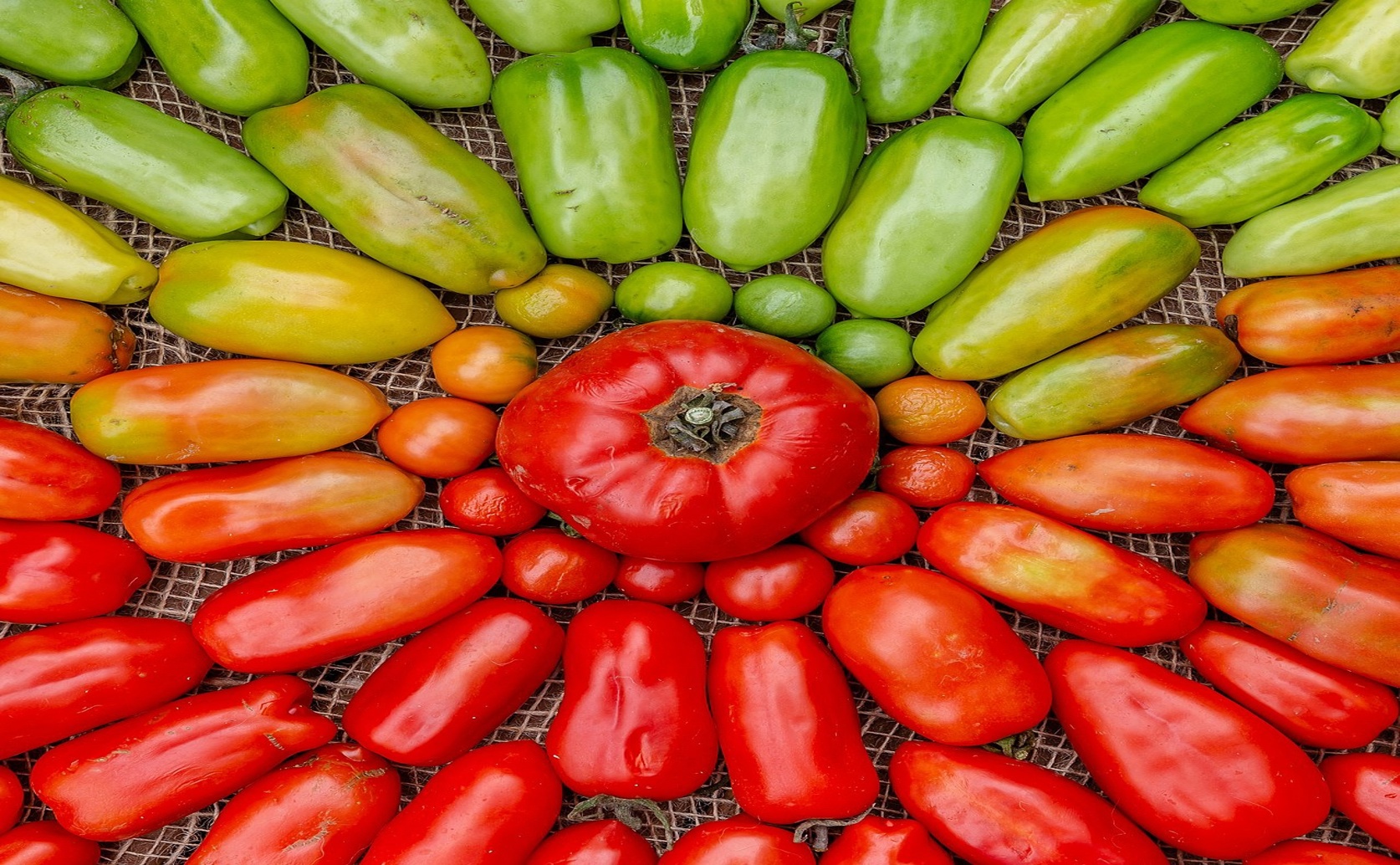
Photograph of organic, home-grown tomatoes.

Photo adapted from: Michal Klajban / CC BY SA (Source)

Key Findings

  • This study investigated if mothers eating organic food during pregnancy affects ADHD and ASD symptoms in their children when they turn eight
  • Results showed only slight differences in ADHD and ASD symptoms based on the mother's organic food intake during pregnancy
  • The weak associations between organic food consumption and child symptoms were mainly due to genetic factors and not diet
The increasing popularity of organic food, driven by public concerns about modern food production practices, has led to questions about its potential health benefits, especially during pregnancy. A recent study conducted by the University of Bergen aimed to investigate whether maternal consumption of organic food during pregnancy has any impact on the development of attention deficit/hyperactivity disorder (ADHD) and autism spectrum disorder (ASD) symptoms in children at eight years of age[1]. The study utilized data from the Norwegian Mother, Father and Child Cohort Study (MoBa) and the Medical Birth Registry of Norway (MBRN), involving 40,707 mother-child pairs. Researchers assessed organic food consumption through a food frequency questionnaire administered during mid-pregnancy. ADHD and ASD symptoms in children were measured using standardized symptom scores. Results indicated that the mean ADHD and ASD symptom scores in children differed only slightly based on the mother's intake of organic food during pregnancy. The adjusted regression coefficient for ADHD symptoms with each unit increase in organic food consumption was 0.03, while for ASD symptoms, it was 0.07. However, these associations weakened or disappeared after adjusting for maternal ADHD symptoms and in sibling analyses, suggesting that the observed associations were mainly due to genetic confounding. This study adds to a growing body of research on maternal diet and child neurodevelopment. Previous studies have shown that maternal diet quality during pregnancy has a small positive association with child cognitive and affective outcomes[2]. For instance, better maternal diet quality has been linked to improved cognitive development in children, though the effect size is relatively small. Additionally, maternal diet has been associated with children's externalizing behaviors, such as hyperactivity-inattention, but not conduct problems[3]. Genetic factors play a significant role in the development of mental health conditions, including ADHD and ASD. A previous study found that genetic risk for mental illness is associated with various perinatal risk factors, such as smoking during pregnancy and breastfeeding for less than one month[4]. These findings suggest that genetic predispositions may partly explain the associations between perinatal conditions and mental health outcomes in offspring. Moreover, the aetiology of autism spectrum disorder (ASD) involves both genetic and environmental contributions, implicating several brain systems[5]. Co-occurring health problems, such as ADHD, are common in individuals with ASD. However, pharmacological treatments for core symptoms of ASD are not routinely recommended, highlighting the importance of understanding environmental factors, including diet, that may influence these conditions. The University of Bergen study concludes that maternal organic food consumption during pregnancy should neither be considered a risk factor nor protective against ADHD and ASD symptoms in offspring. The weak associations observed were primarily due to genetic factors rather than the type of diet. This finding emphasizes the need for further research to disentangle the complex interplay between genetics, diet, and neurodevelopmental outcomes. In summary, while maternal diet quality during pregnancy has shown some positive associations with child neurodevelopment, the consumption of organic food specifically does not appear to significantly impact ADHD and ASD symptoms. This study underscores the importance of considering genetic confounding when examining the effects of maternal diet on child health outcomes.

NutritionHealthMental Health

References

Main Study

1) Organic food consumption during pregnancy and symptoms of neurodevelopmental disorders at 8 years of age in the offspring: the Norwegian Mother, Father and Child Cohort Study (MoBa).

Published 21st October, 2024

https://doi.org/10.1186/s12916-024-03685-5


Related Studies

2) The importance of maternal diet quality during pregnancy on cognitive and behavioural outcomes in children: a systematic review and meta-analysis.

https://doi.org/10.1136/bmjopen-2017-016777


3) Prenatal diet and children's trajectories of hyperactivity-inattention and conduct problems from 3 to 8 years: the EDEN mother-child cohort.

https://doi.org/10.1111/jcpp.12898


4) Association of maternal polygenic risk scores for mental illness with perinatal risk factors for offspring mental illness.

https://doi.org/10.1126/sciadv.abn3740


5) Autism spectrum disorder: Consensus guidelines on assessment, treatment and research from the British Association for Psychopharmacology.

https://doi.org/10.1177/0269881117741766


Related Articles

An unhandled error has occurred. Reload 🗙