Effects of a Natural Gel on Women's Vaginal Bacteria and Acidity

Jim Crocker
27th April, 2025

Effects of a Natural Gel on Women's Vaginal Bacteria and Acidity

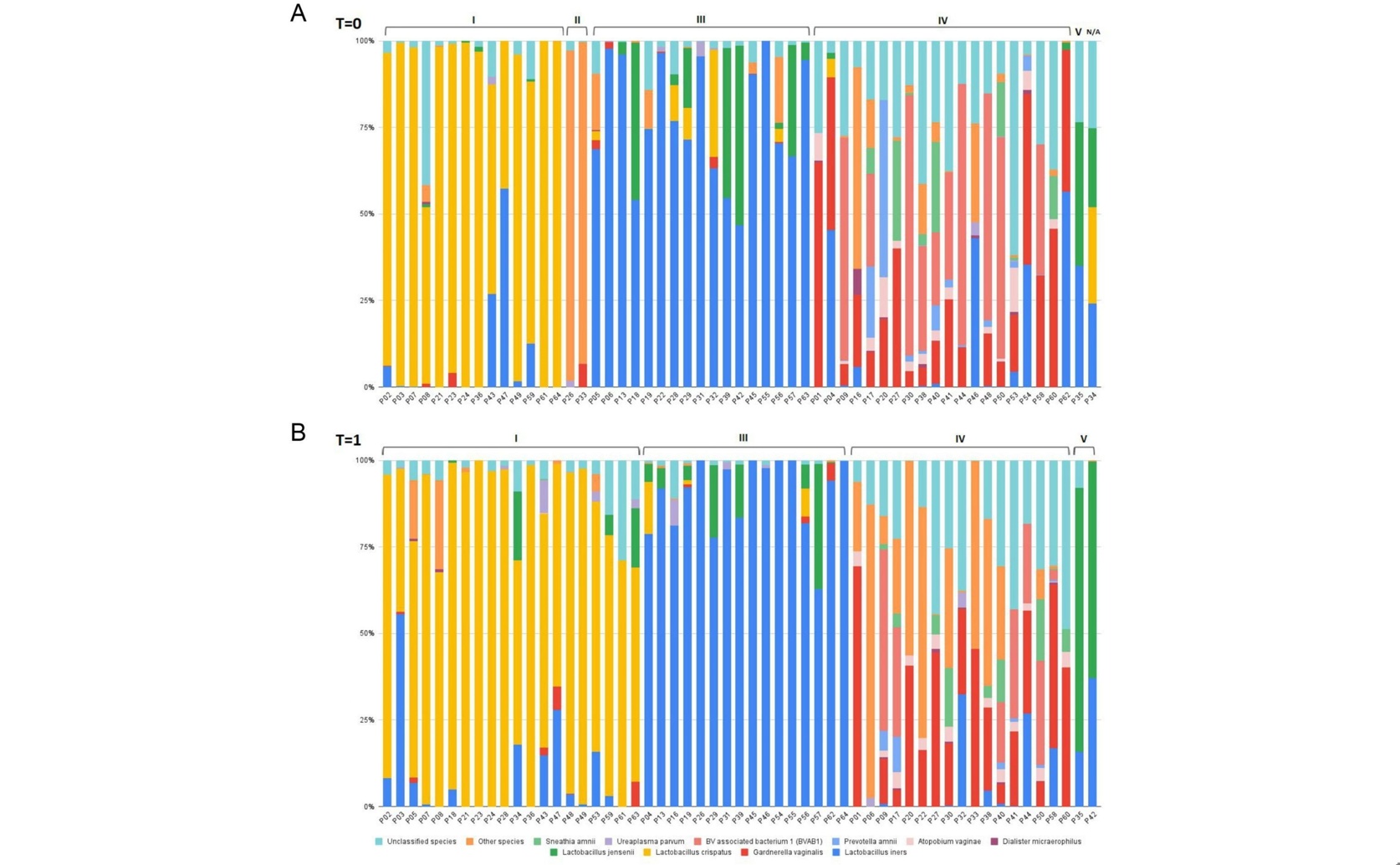
The composition of the vaginal microbiota before (a) and after (b) treatment with a lactic acid gel demonstrates high variability among individuals, with species such as Lactobacillus iners, Gardnerella spp., and Lactobacillus crispatus being the most prevalent throughout the study.

Image adapted from: Campaner et al. / CC BY (Source)

Key Findings

  • Researchers at Universidade dos Açores found that using a lactic acid vaginal gel made the vaginal environment more acidic, which is healthier
  • The gel reduced harmful bacteria without affecting beneficial Lactobacilli, promoting a balanced vaginal microbiome
  • Most women experienced improved vaginal health and were comfortable using the gel, with only mild side effects reported
Vaginal health plays a crucial role in overall reproductive well-being. An imbalance in the vaginal microbiota, known as vaginal dysbiosis, can increase the risk of various gynecological and obstetric complications. Recent research from Universidade dos Açores[1] has explored the potential benefits of using a lactic acid-containing vaginal gel to improve vaginal health in asymptomatic women of reproductive age. The study involved 55 menstruating women without any gynecological complaints. Participants applied the lactic acid gel twice a week for eight weeks. The researchers measured several parameters before and after the intervention, including vaginal pH, Nugent score (a diagnostic tool for bacterial vaginosis), microbiota composition, and the presence of Candida species. At the start of the study, over a third of the women (36.4%) had CST type IV vaginal microbiota, which is characterized by a lower presence of Lactobacilli and higher levels of other bacteria associated with dysbiosis[2]. CST type III was the next most common, found in 30.9% of the participants. The vaginal pH among the women ranged between 4 to 5, with variations observed across different ethnic groups in previous studies[3]. After eight weeks of using the lactic acid gel, there was a significant decrease in vaginal pH and Nugent scores, indicating an improvement in the vaginal environment. Specifically, the pH reduction suggests a more acidic environment, which is typically protective against harmful bacteria. Additionally, the Nugent score improvement points to a healthier balance of vaginal bacteria. The study also found a notable reduction in certain unfavorable bacterial groups, such as Prevotella amnii and Bacterial Vaginosis Associated Bacterium 1, without affecting the levels of beneficial Lactobacilli. This aligns with earlier findings that Lactobacillus-dominated microbiota are essential for maintaining reproductive health and preventing infections[2]. However, the intervention did not significantly change the overall microbial diversity or shift the Community State Types (CSTs) of the vaginal microbiota. This suggests that while the gel can improve certain aspects of vaginal health, it may not drastically alter the broader microbial community structure. The methods used in this study involved assessing the vaginal microbiota through advanced molecular sequencing techniques, similar to those used in previous research to classify vaginal bacterial communities into different CSTs[4]. By utilizing these methods, the researchers could accurately identify changes in specific bacterial populations and overall vaginal health. Incorporating findings from earlier studies, such as those identifying the dominant role of Lactobacilli in vaginal health and the variations in vaginal microbiota across different ethnic groups[2][3], this study provides a focused look at how a simple intervention like a lactic acid gel can make measurable improvements. While the research shows promise, the authors note that further studies, particularly placebo-controlled trials, are necessary to confirm the effectiveness of the gel. Overall, the study contributes to a growing body of evidence that maintaining an acidic vaginal environment through interventions like lactic acid supplementation can support reproductive health. By building on previous research from institutions like BiomeHub[2] and others, Universidade dos Açores has demonstrated that targeted treatments can reduce factors associated with vaginal dysbiosis, potentially lowering the risk of related health complications.

MedicineHealthBiochem

References

Main Study

1) In vivo assessment of the effect of gel containing lactic acid and glycogen on vaginal microbiota and pH of asymptomatic women of reproductive age

Published 24th April, 2025

https://doi.org/10.1371/journal.pone.0321737


Related Studies

2) The Female Reproductive Tract Microbiota: Friends and Foe.

https://doi.org/10.3390/life13061313


3) Vaginal microbiome of reproductive-age women.

https://doi.org/10.1073/pnas.1002611107


4) Quantifying the human vaginal community state types (CSTs) with the species specificity index.

https://doi.org/10.7717/peerj.3366


Related Articles

An unhandled error has occurred. Reload 🗙