How MicroRNAs Control DNA Repair Genes During Reproductive Development

Greg Howard
14th April, 2025

How MicroRNAs Control DNA Repair Genes During Reproductive Development

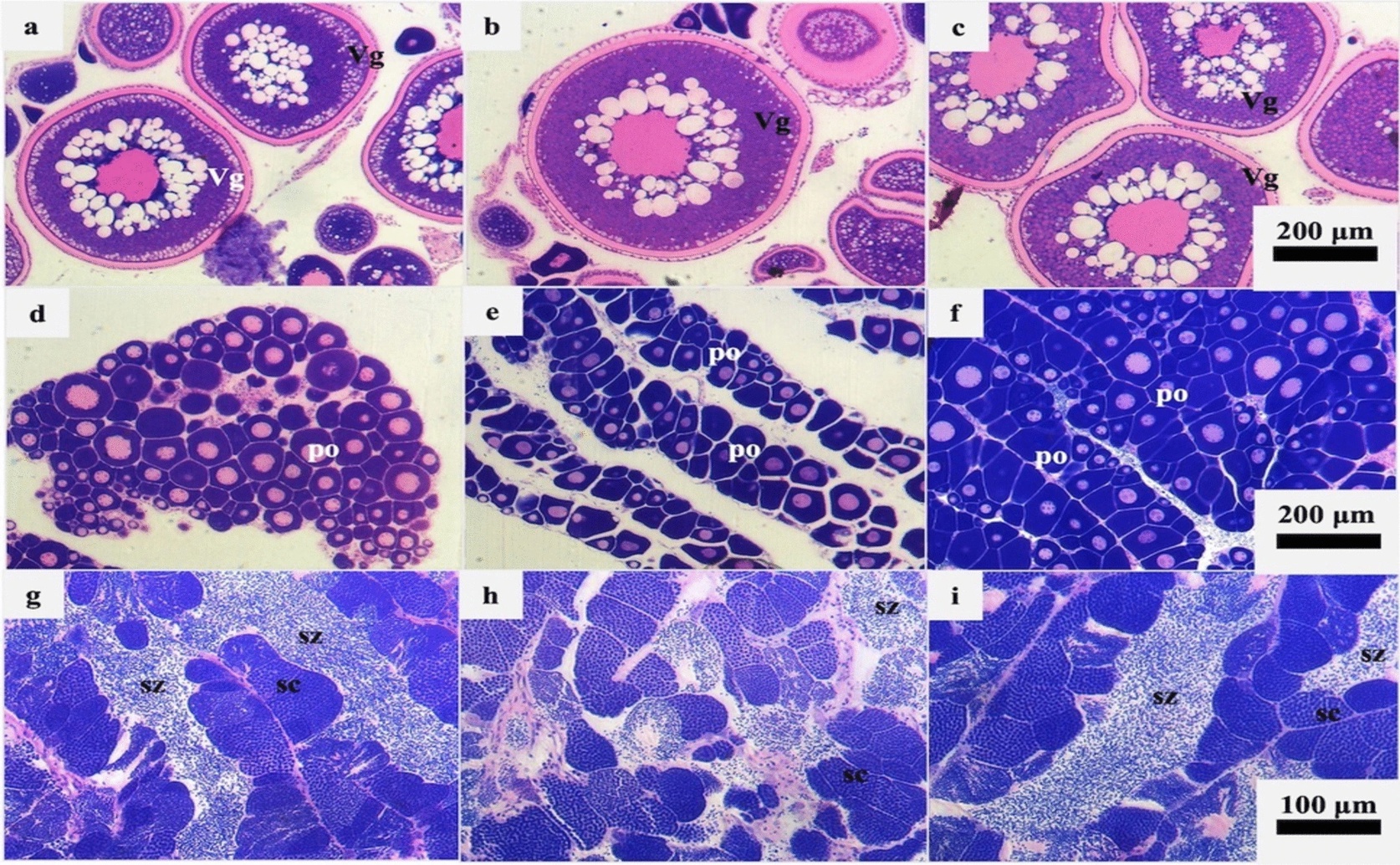
Histological analysis of the gilthead seabream (Sparus aurata) confirms the distinct maturation states of the three gonadal tissues used for genetic analysis: mature female ovaries with vitellogenic oocytes (a–c), the immature ovarian part of male gonads (d–f), and mature, active testes (g–i).

Image adapted from: Papadaki et al. / CC BY (Source)

Key Findings

  • Researchers at the University of Crete found key genes active in female gilthead seabream, a vital fish for marine farming
  • They identified three microRNAs that regulate these genes, influencing the fish’s sex change and reproduction
  • These discoveries can help manage sex ratios in fish farming, enhancing growth and production efficiency
Fanconi anemia (FA) is a rare genetic disorder in humans that impairs the body’s ability to repair damaged DNA, leading to various health issues including bone marrow failure and increased cancer risk. While FA has been extensively studied in humans, its role in fish, particularly in species important to aquaculture, remains less understood. A recent study conducted by researchers at the University of Crete[1] delves into this area by exploring the function of FA-related genes in the gilthead seabream, a valuable species in marine farming known for its ability to change sex from male to female during its life cycle, a phenomenon called protandrous hermaphroditism. The primary objective of this study was to investigate the expression of three specific FA genes—fancc, fancl, and fancd2—in the gonads of gilthead seabream at various developmental stages. Additionally, the research aimed to identify microRNAs (miRNAs) that might regulate these genes. miRNAs are small non-coding RNA molecules that play crucial roles in controlling gene expression, impacting numerous biological processes[2]. Understanding the interaction between FA genes and miRNAs could provide insights into the mechanisms governing sex differentiation and reproduction in fish. To achieve this, the researchers analyzed gonadal tissues from gilthead seabream undergoing different stages of sex change. By examining the expression levels of fancc, fancl, and fancd2, they discovered that fancl and fancd2 are particularly active during the maturation of female gonads. This suggests that these genes play significant roles in the development and functioning of female reproductive organs. Furthermore, the study identified three miRNAs—miR-210, miR-217, and miR-10926—that potentially regulate fancd2, fancc, and fancl, respectively. These miRNAs could influence the expression of FA genes, thereby affecting the reproductive processes of the fish. The findings of this study are particularly noteworthy when considered alongside previous research. For instance, earlier studies have demonstrated that hormonal treatments can alter gene expression related to sex differentiation in fish[3]. Additionally, research on hermaphroditic species like clownfish has highlighted the complexity of genetic regulation during sex changes, emphasizing the role of genes involved in steroidogenesis[4]. The current study builds on these insights by linking FA genes and miRNAs to the reproductive biology of gilthead seabream, thereby expanding our understanding of the genetic underpinnings of sex differentiation in fish. Methodologically, the researchers employed real-time reverse transcription polymerase chain reaction (RT-PCR) to quantify gene expression levels. They also utilized bioinformatics tools to predict miRNA interactions with FA genes. By combining these approaches, the study provided a comprehensive view of how FA genes and their regulatory miRNAs contribute to gonadal development and sex reversal in gilthead seabream. The implications of this research are significant for aquaculture. Identifying fancl and fancd2 as potential sex biomarkers means that these genes could be used to monitor and manage sex differentiation in farmed fish populations. This is particularly important for species like gilthead seabream, where controlling the sex ratio can optimize growth and production. Moreover, understanding the regulatory roles of specific miRNAs offers new avenues for manipulating gene expression to enhance reproductive efficiency and stability in aquaculture settings. In summary, the study by the University of Crete provides valuable insights into the role of FA genes and their regulation by miRNAs in the reproduction of gilthead seabream. By integrating previous findings on hormone-induced gene expression changes[3] and the genetic mechanisms of sex change in hermaphroditic fish[4], this research advances our knowledge of the molecular processes that govern sex differentiation and reproductive health in an important aquaculture species. These discoveries not only contribute to basic scientific understanding but also hold practical applications for improving fish farming practices.

GeneticsMarine Biology

References

Main Study

1) Exploring the Fanconi Anemia Gene Expression and Regulation by MicroRNAs in Gilthead Seabream (Sparus aurata) at Different Gonadal Development Stages

Published 11th April, 2025

https://doi.org/10.1007/s10126-025-10444-x


Related Studies

2) Genome-wide identification of novel ovarian-predominant miRNAs: new insights from the medaka (Oryzias latipes).

https://doi.org/10.1038/srep40241


3) Expression profiling of candidate genes during ovary-to-testis trans-differentiation in rainbow trout masculinized by androgens.

https://doi.org/10.1016/j.ygcen.2008.01.016


4) Sex Change in Clownfish: Molecular Insights from Transcriptome Analysis.

https://doi.org/10.1038/srep35461


Related Articles

An unhandled error has occurred. Reload 🗙