
Better Mapping of Endangered Marine Species Using Local DNA and Net Captures
Jenn Hoskins
11th April, 2025


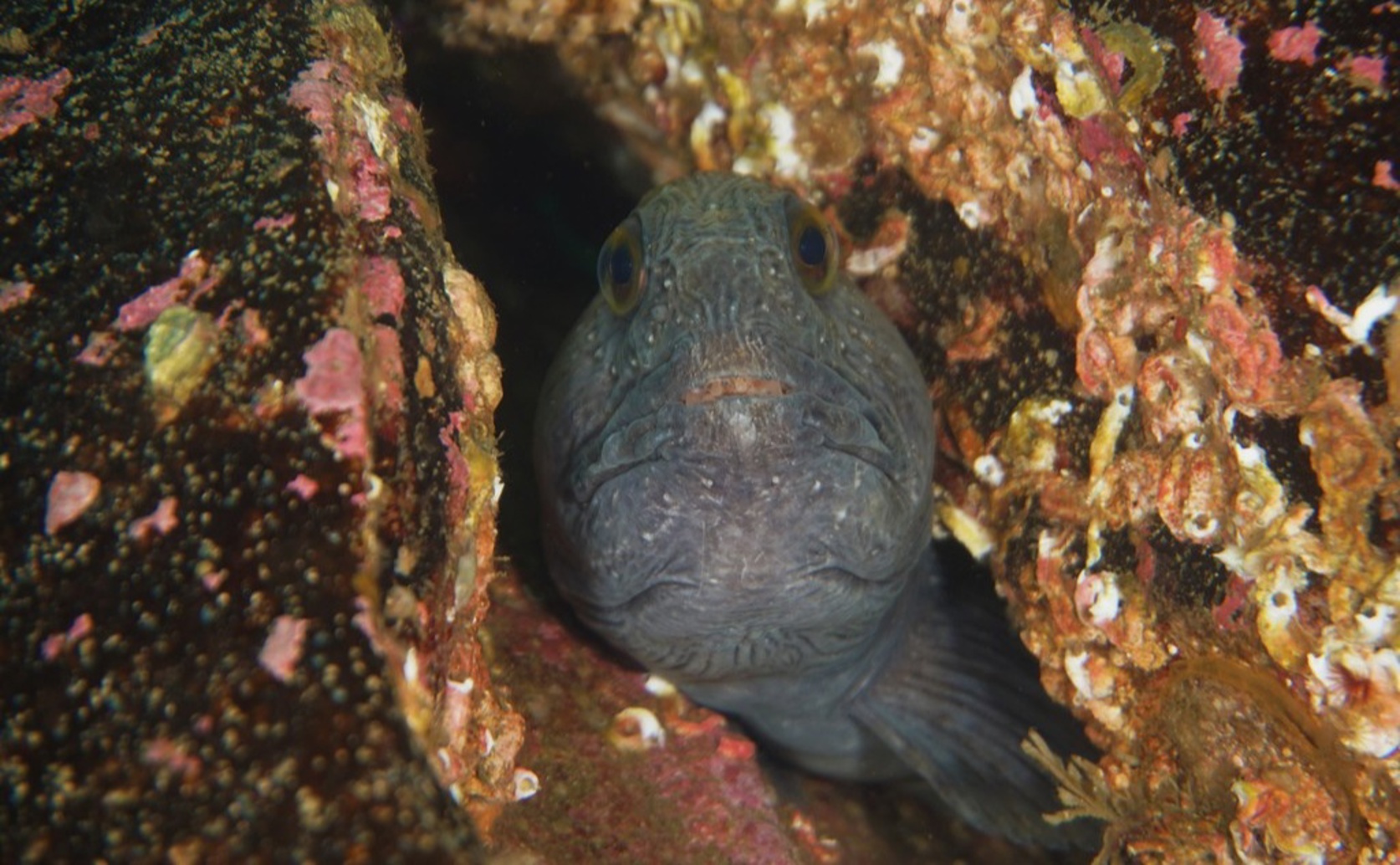
Key Findings
- In the Gulf of St. Lawrence, combining traditional trawl surveys with environmental DNA tests increased detection of endangered Atlantic wolffish from 13% to 23%
- Environmental DNA reliably identified wolffish presence in all sampled cave habitats, providing a clearer picture of their distribution
- Single-species DNA tests were more sensitive than multi-species methods, making eDNA a valuable tool for monitoring rare marine species
EnvironmentGeneticsMarine Biology
References
Main Study
1) Improving an endangered marine species distribution using reliable and localized environmental DNA detections combined with trawl captures
Published 8th April, 2025
https://doi.org/10.1038/s41598-025-95358-3
Related Studies
2) Marine environmental DNA biomonitoring reveals seasonal patterns in biodiversity and identifies ecosystem responses to anomalous climatic events.
3) Meta-analysis shows both congruence and complementarity of DNA and eDNA metabarcoding to traditional methods for biological community assessment.
4) Environmental DNA provides quantitative estimates of Pacific hake abundance and distribution in the open ocean.
5) Spatial distribution of environmental DNA in a nearshore marine habitat.
Related Articles
 1st June, 2024 | Jenn Hoskins