
How Bacterial Pumps and Membranes Help Resist Antibiotics
Jenn Hoskins
13th April, 2025


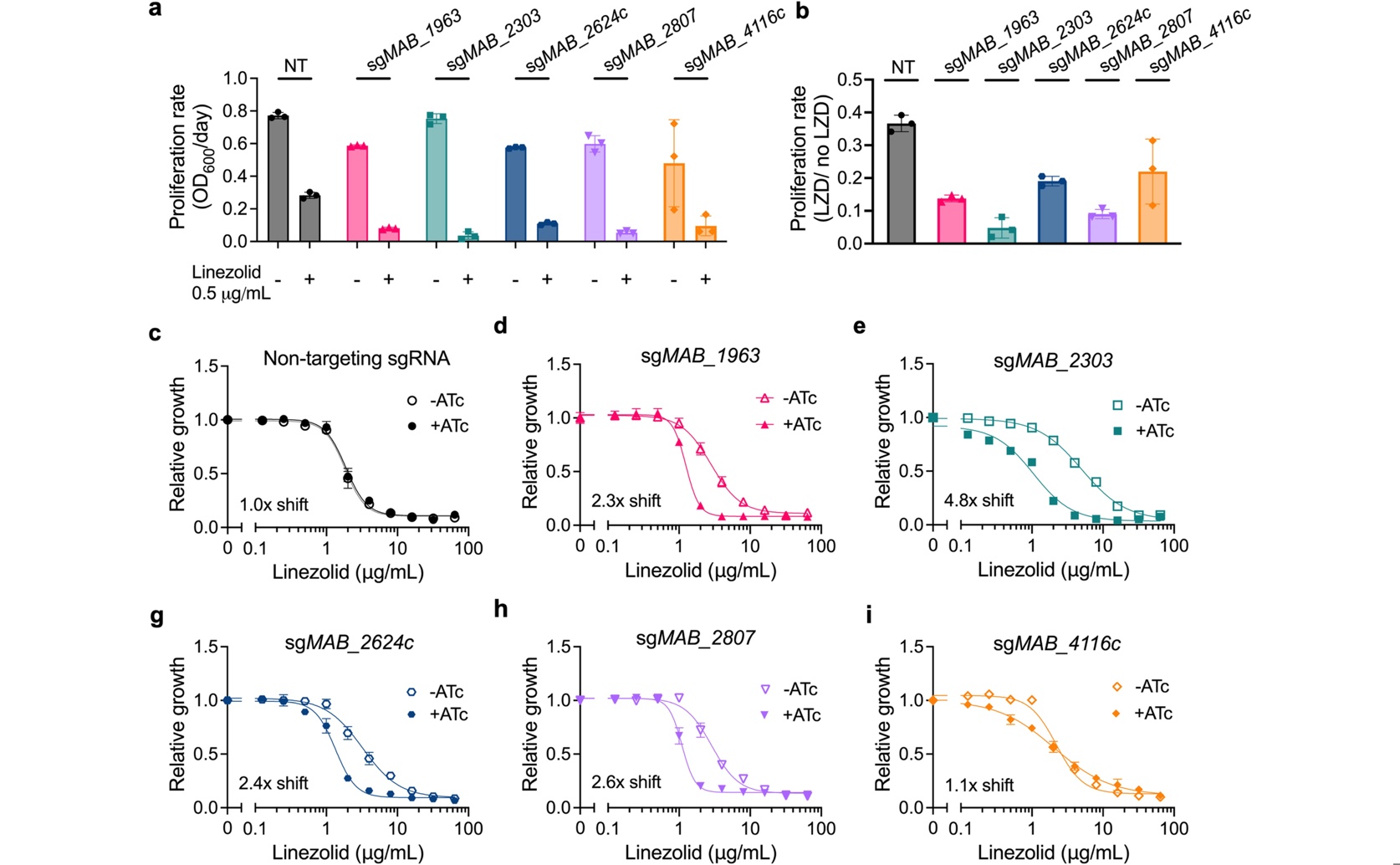
Validating the results of a genetic screen, the targeted knockdown of several membrane transporter genes significantly increased the susceptibility of Mycobacterium abscessus to linezolid, as demonstrated by reduced bacterial proliferation (a, b) and lower drug concentrations required for inhibition (c–i).
Key Findings
- *Harvard researchers found that antibiotics struggle to enter M. abscessus, a tough bacteria causing lung infections.*
- *They discovered specific proteins that pump these drugs out, reducing their effectiveness against the bacteria.*
- *Targeting these proteins could boost antibiotic success, offering better treatments for resistant infections.*
References
Main Study
1) Efflux pumps and membrane permeability contribute to intrinsic antibiotic resistance in Mycobacterium abscessus
Published 10th April, 2025
https://doi.org/10.1371/journal.ppat.1013027
Related Studies
2) Mycobacterial cell wall: structure and role in natural resistance to antibiotics.
Journal: FEMS microbiology letters, Issue: Vol 123, Issue 1-2, Oct 1994
3) High Levels of Intrinsic Tetracycline Resistance in Mycobacterium abscessus Are Conferred by a Tetracycline-Modifying Monooxygenase.
4) Transporters Involved in the Biogenesis and Functionalization of the Mycobacterial Cell Envelope.
5) Efflux pumps in Mycobacterium tuberculosis and their inhibition to tackle antimicrobial resistance.
Related Articles
 21st July, 2024 | Greg Howard