Cell Fats Control Formation and Removal of Protein Clumps

Jenn Hoskins
11th February, 2025

Cell Fats Control Formation and Removal of Protein Clumps

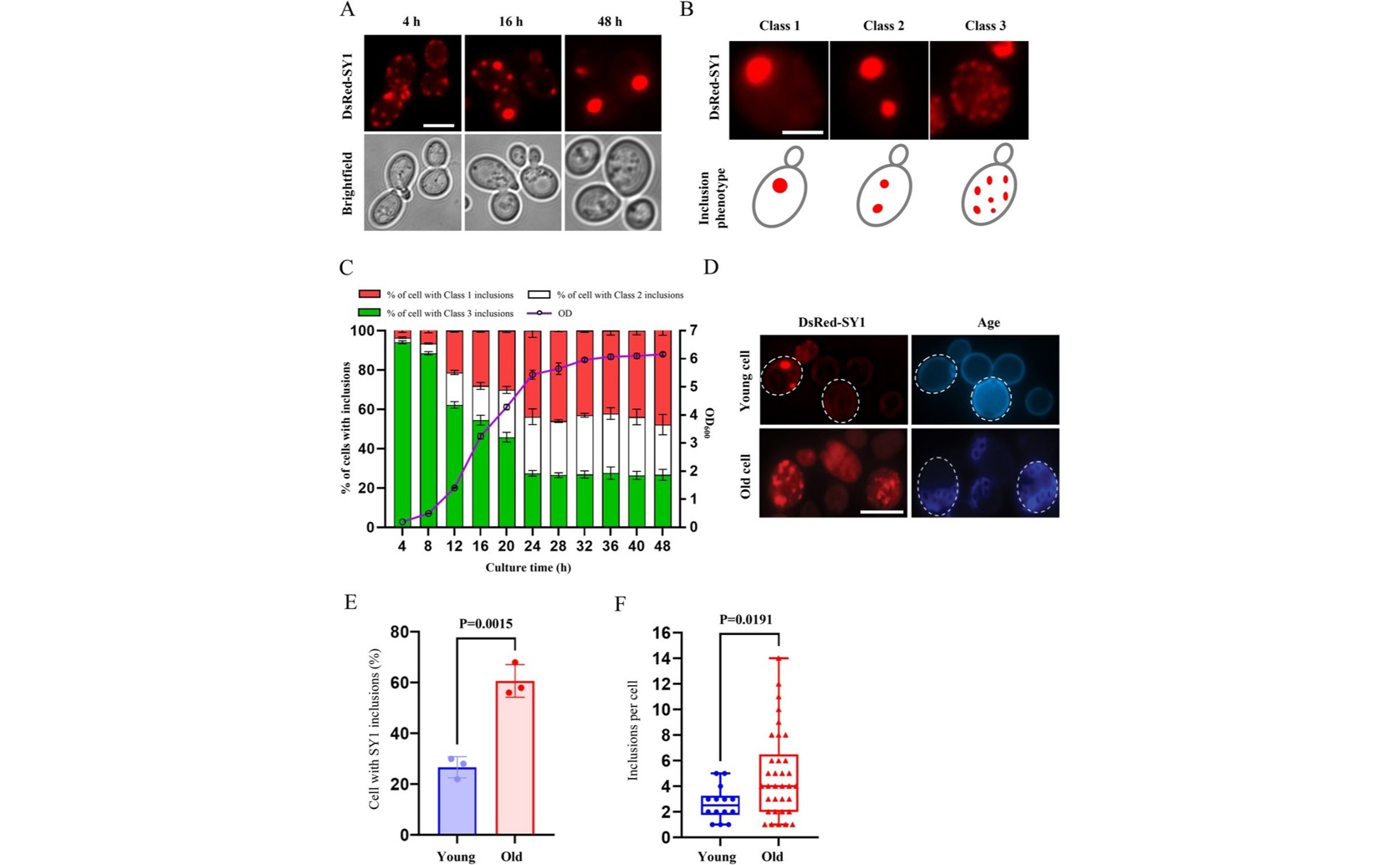
In yeast (Saccharomyces cerevisiae), multiple small synphilin-1 aggregates undergo a protective maturation process by coalescing into a few large inclusion bodies over time (a, c), a mechanism that is significantly impaired in aged cells which retain a greater number of smaller, dispersed aggregates (d–f).

Image adapted from: Cao et al. / CC BY (Source)

Key Findings

  • Researchers at Zhejiang A&F University found that sphingolipids help cells form protective protein aggregates near mitochondria
  • Disrupting sphingolipid metabolism delayed these protective structures and increased cell damage from toxic proteins
  • Enhancing sphingolipid function could offer new ways to treat neurodegenerative diseases by reducing harmful protein buildup
Neurodegenerative disorders, such as Alzheimer's and Huntington's disease, are increasingly prevalent due to the aging global population. A common feature of these diseases is the accumulation of misfolded proteins that form aggregates, which disrupt cellular functions, particularly those involving mitochondria—the cell's energy producers[2][3]. Understanding how cells manage these toxic protein aggregates is crucial for developing effective treatments. A recent study by researchers at Zhejiang A&F University[1] sheds light on the mechanisms cells use to handle such protein aggregates. The study focuses on synphilin-1 (SY1), a protein involved in the formation of inclusion bodies (IBs). IBs are large aggregates that form when cells attempt to sequester misfolded proteins, potentially mitigating their toxic effects. However, the exact process by which IBs mature and whether they are beneficial or harmful has been debated. Using a yeast imaging-based screening method, the researchers identified 84 potential regulators of SY1 IBs. Among these, components of the sphingolipid metabolism pathway were prominently featured. Sphingolipids are essential fats that play a key role in maintaining cell membrane structure and function. The study found that these sphingolipid-related components are conserved across different species, indicating a fundamental biological process. Further investigations revealed that in both yeast and mammalian cells, SY1 IBs are closely associated with mitochondria. This association is significant because mitochondria are not only the cell's powerhouses but also central to managing cellular stress and apoptosis (programmed cell death)[2][3]. The researchers demonstrated that disrupting the sphingolipid metabolism, either through chemical inhibitors or by knocking out key genes, led to a delay in the maturation of IBs and an increase in SY1-related cytotoxicity. This suggests that proper sphingolipid function is crucial for the timely formation of IBs, which in turn helps protect cells from the toxic effects of SY1 aggregates. The study proposes that the maturation of SY1 IBs involves their association with mitochondrial membranes. Sphingolipids facilitate this process through their ability to modify membrane structures, thereby promoting the formation of IBs that are less toxic to the cell. This mechanism aligns with previous findings that inclusion bodies can serve as a protective response by sequestering harmful protein aggregates, as seen in Huntington's disease research[4]. In that context, inclusion bodies were shown to improve neuron survival by reducing the levels of toxic huntingtin protein within cells. Moreover, the interaction between protein aggregates and cellular membranes, particularly those of the endoplasmic reticulum (ER), has been highlighted in other studies[5]. The current research extends this understanding by linking mitochondrial membranes and sphingolipid metabolism to the management of protein aggregates. This connection underscores the multifaceted role of mitochondria in maintaining cellular health and combating neurodegenerative disease processes[2][3]. The methodology used in this study involved advanced imaging techniques to observe the formation and maturation of IBs in live cells over time. By systematically disrupting various cellular pathways, the researchers were able to pinpoint the critical role of sphingolipid metabolism in IB dynamics. This approach not only identified key regulators of IB formation but also provided insights into the cellular strategies for mitigating protein toxicity. The findings from Zhejiang A&F University contribute to a growing body of evidence that mitochondria play a pivotal role in the aging process and the development of age-related diseases[3]. By elucidating the connection between sphingolipid metabolism and IB maturation, the study offers potential targets for therapeutic intervention. Enhancing sphingolipid function or supporting the formation of protective IBs could be strategies to reduce the cytotoxic effects of misfolded proteins in neurodegenerative diseases. In summary, this research highlights a conserved cellular mechanism involving sphingolipid metabolism and mitochondrial association that facilitates the maturation of inclusion bodies. By promoting the formation of less toxic protein aggregates, cells can better manage proteostasis stress induced by aging or disease. These insights pave the way for developing interventions aimed at supporting cellular detoxification processes, ultimately contributing to the prevention or treatment of neurodegenerative disorders.

MedicineBiotechBiochem

References

Main Study

1) Maturation and detoxification of synphilin-1 inclusion bodies regulated by sphingolipids.

Published 10th February, 2025

https://doi.org/10.7554/eLife.92180


Related Studies

2) Interaction of misfolded proteins and mitochondria in neurodegenerative disorders.

https://doi.org/10.1042/BST20170024


3) Mitochondrial and metabolic dysfunction in ageing and age-related diseases.

https://doi.org/10.1038/s41574-021-00626-7


4) Inclusion body formation reduces levels of mutant huntingtin and the risk of neuronal death.

Journal: Nature, Issue: Vol 431, Issue 7010, Oct 2004


5) In Situ Architecture and Cellular Interactions of PolyQ Inclusions.

https://doi.org/10.1016/j.cell.2017.08.009


Related Articles

An unhandled error has occurred. Reload 🗙