New Bacterial Cause Found for Mycetoma

Jenn Hoskins
13th April, 2025

New Bacterial Cause Found for Mycetoma

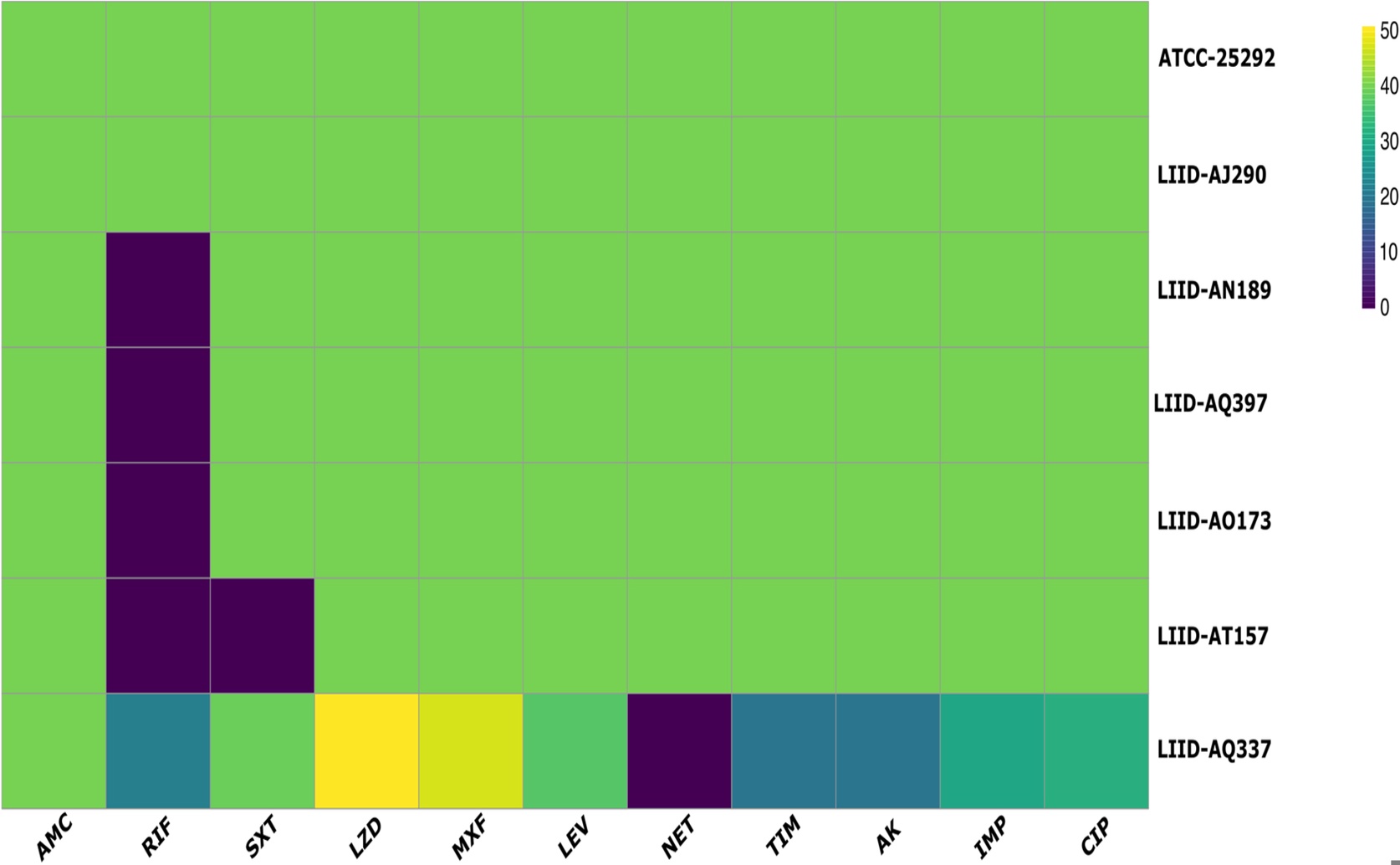
Antimicrobial susceptibility testing reveals that the newly identified species, Actinomadura welshii (isolate LIID-AQ337), possesses a distinct resistance profile, including resistance to netilmicin, that differentiates it from the other Mexican Actinomadura madurae isolates studied.

Image adapted from: Vera-Cabrera et al. / CC BY (Source)

Key Findings

  • In Nuevo León, Mexico, researchers studying mycetoma—a chronic infection common among agricultural workers—identified a new bacterial species
  • Using advanced genetic techniques, they discovered Actinomadura welshii, which is different from previously known bacteria causing mycetoma
  • This breakthrough enhances accurate diagnosis and enables more effective, targeted antibiotic treatments for affected patients
Mycetoma is a chronic infectious disease that predominantly affects individuals in tropical regions, particularly within the mycetoma belt spanning from 15° south to 30° north latitude. Characterized by nodules, abscesses, and draining fistulas, mycetoma can be caused by either true fungi (eumycetoma) or filamentous aerobic bacteria known as actinomycetes (actinomycetoma)[2]. Effective treatment is crucial, especially in regions like Mexico where the disease is prevalent among agricultural workers. A recent study conducted by researchers at Hospital Universitario “José Eleuterio González” in Nuevo León, Mexico, focused on identifying and characterizing Actinomadura isolates from seven mycetoma patients[1]. Actinomadura is one of the bacterial genera responsible for actinomycetoma, and accurate identification of its species is essential for effective treatment. Utilizing nucleotide sequence analysis of a portion of the small subunit ribosomal RNA gene, the study successfully identified most isolates as Actinomadura madurae. However, one isolate, designated LIID-AQ337, presented inconclusive results, suggesting it might represent a novel species. To resolve the identity of LIID-AQ337, the research team employed advanced genomic techniques. They conducted whole-genome sequencing using both short-read and long-read sequencing technologies, resulting in a comprehensive genome assembly of 8,163,638 base pairs spread across 22 contigs. The assembly process likely utilized methods and protocols similar to those described in the SPAdes genome assembler framework[3], which is renowned for its capability to handle complex genomic data from various sequencing technologies. Comparative genomic analysis was then performed against existing genomes of other Actinomadura species. This analysis revealed significant genetic differences, indicating that LIID-AQ337 does not match any previously identified species within the genus. To ensure the accuracy of this classification, the researchers might have utilized tools like the Type (Strain) Genome Server (TYGS)[4], which facilitates genome-based taxonomic classification by comparing genome sequences against a comprehensive database of prokaryotic taxa. The findings from this comparative analysis led to the proposal of a new species, Actinomadura welshii sp. nov., named in honor of Oliverio Welsh, a Mexican dermatologist who made significant contributions to mycetoma research in Mexico. This discovery not only expands the known diversity of the Actinomadura genus but also has important implications for the diagnosis and treatment of actinomycetoma. Accurate species identification can inform more targeted antibiotic therapies, improving patient outcomes and reducing the likelihood of treatment failures. The identification of Actinomadura welshii underscores the importance of genomic approaches in uncovering hidden microbial diversity. Traditional methods based on ribosomal RNA gene sequencing provide valuable information but may sometimes fall short in distinguishing closely related species. Whole-genome sequencing offers a more detailed and comprehensive view, enabling researchers to detect subtle genetic differences that are critical for accurate taxonomy[3][4]. Moreover, this study highlights the collaborative efforts between institutions in different regions. While the primary research was conducted in Mexico, the integration of advanced genomic tools and comparative databases from institutions like Colorado State University and the University of Khartoum facilitates a more robust and reliable identification process[4]. Such collaborations are essential in addressing neglected tropical diseases like mycetoma, which require a multifaceted approach combining clinical expertise, genomic research, and effective public health strategies. The discovery of a new Actinomadura species also has broader implications for our understanding of mycetoma’s epidemiology and pathogenesis. It suggests that there may be other, yet unidentified, species contributing to the disease, particularly in under-researched regions. This knowledge can drive further research into the environmental reservoirs of these bacteria, their transmission dynamics, and their interactions with human hosts. In conclusion, the study by Hospital Universitario “José Eleuterio González” represents a significant advancement in the field of mycetoma research. By leveraging whole-genome sequencing and comparative genomics, the researchers were able to identify a new species of Actinomadura, enhancing our understanding of the microbial landscape associated with this debilitating disease. This work builds upon previous studies that have documented the clinical aspects and treatment outcomes of actinomycetoma, providing a more nuanced perspective on the causative agents involved[2]. As genomic technologies continue to evolve, they will undoubtedly play a pivotal role in unraveling the complexities of infectious diseases and improving patient care worldwide.

MedicineHealth

References

Main Study

1) Actinomadura welshii sp. nov., a New Mycetoma Agent in Mexico

Published 11th April, 2025

https://doi.org/10.1371/journal.pntd.0013016


Related Studies

2) Clinical characteristics and treatment of actinomycetoma in northeast Mexico: A case series.

https://doi.org/10.1371/journal.pntd.0008123


3) Using SPAdes De Novo Assembler.

https://doi.org/10.1002/cpbi.102


4) TYGS is an automated high-throughput platform for state-of-the-art genome-based taxonomy.

https://doi.org/10.1038/s41467-019-10210-3


Related Articles

An unhandled error has occurred. Reload 🗙