
Rates of Parasitic Worm and Hepatitis B Infections in School Children
Greg Howard
9th April, 2025


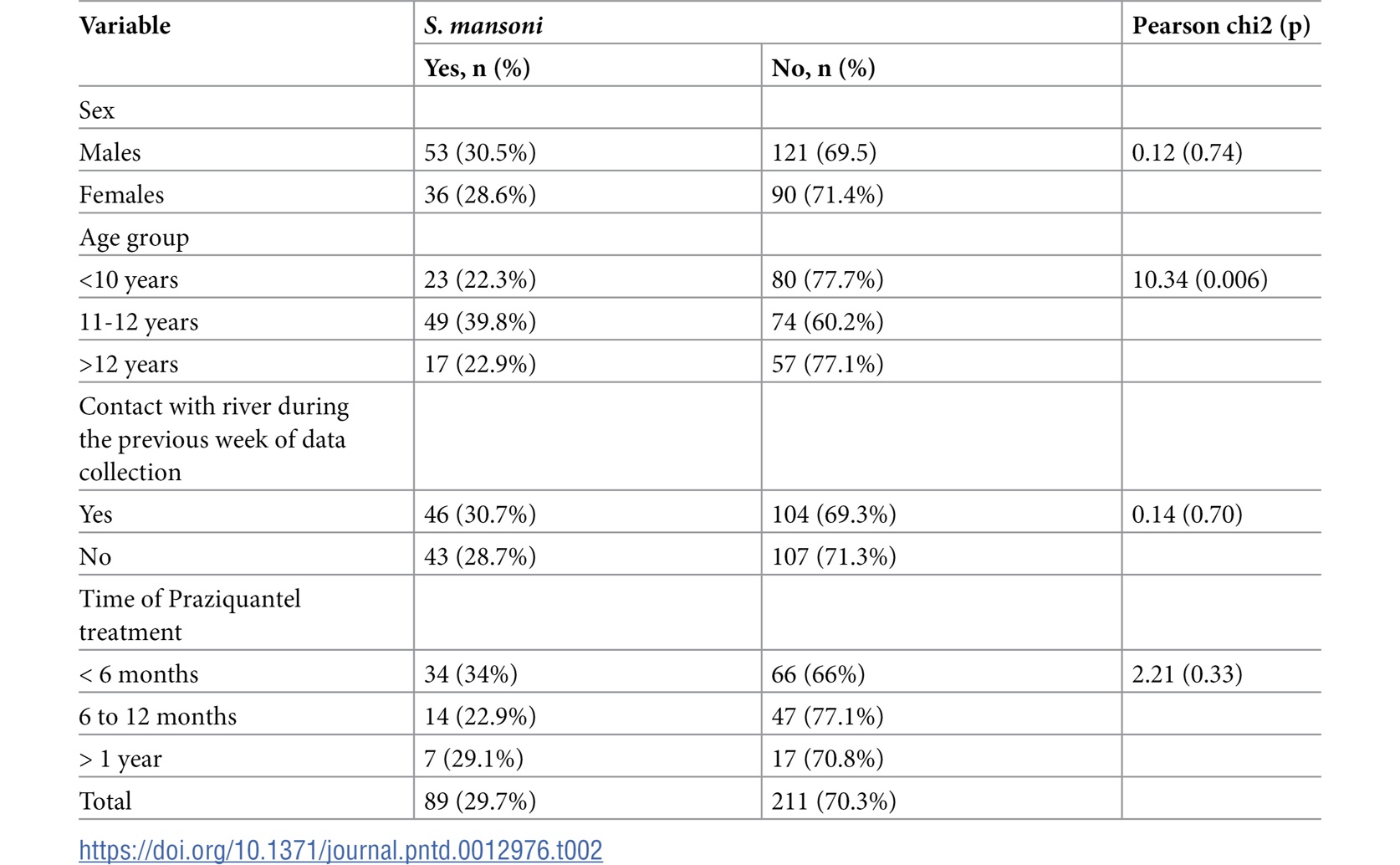
The overall prevalence of Schistosoma mansoni infection was high at 29.6%, with peak infection rates found in the 11–12 year age group and among children who had recently received praziquantel treatment, suggesting rapid reinfection despite mass drug administration programs.
Key Findings
- In the Jille Timuga district of Amhara, Ethiopia, nearly 30% of schoolchildren were infected with the parasite Schistosoma mansoni despite recent treatments
- The study found a very low rate of Hepatitis B (0.3%) among the children, with no cases of both infections occurring together
- Boys and older children (ages 11–12) were more likely to have schistosomiasis, suggesting targeted efforts are needed for these groups
References
Main Study
1) Schistosoma mansoni infection and hepatitis B surface antigen carriage rate among school children in Jille Timuga District, Amhara Region, Northeast Ethiopia
Published 8th April, 2025
https://doi.org/10.1371/journal.pntd.0012976
Related Studies
2) Prevalence of schistosomiasis and its association with anemia in Ethiopia, 2024: a systematic review and meta‑analysis.
3) Intestinal schistosomiasis in remote areas of Southwest Ethiopia, a target region for large-scale mass drug administration.
4) Prevalence of soil-transmitted helminths and Schistosoma mansoni among a population-based sample of school-age children in Amhara region, Ethiopia.
Related Articles
 27th March, 2025 | Jenn Hoskins