Gut Bacteria Changes in High Altitude Adaptation: Key to Future Health

Jim Crocker
10th April, 2025

Gut Bacteria Changes in High Altitude Adaptation: Key to Future Health

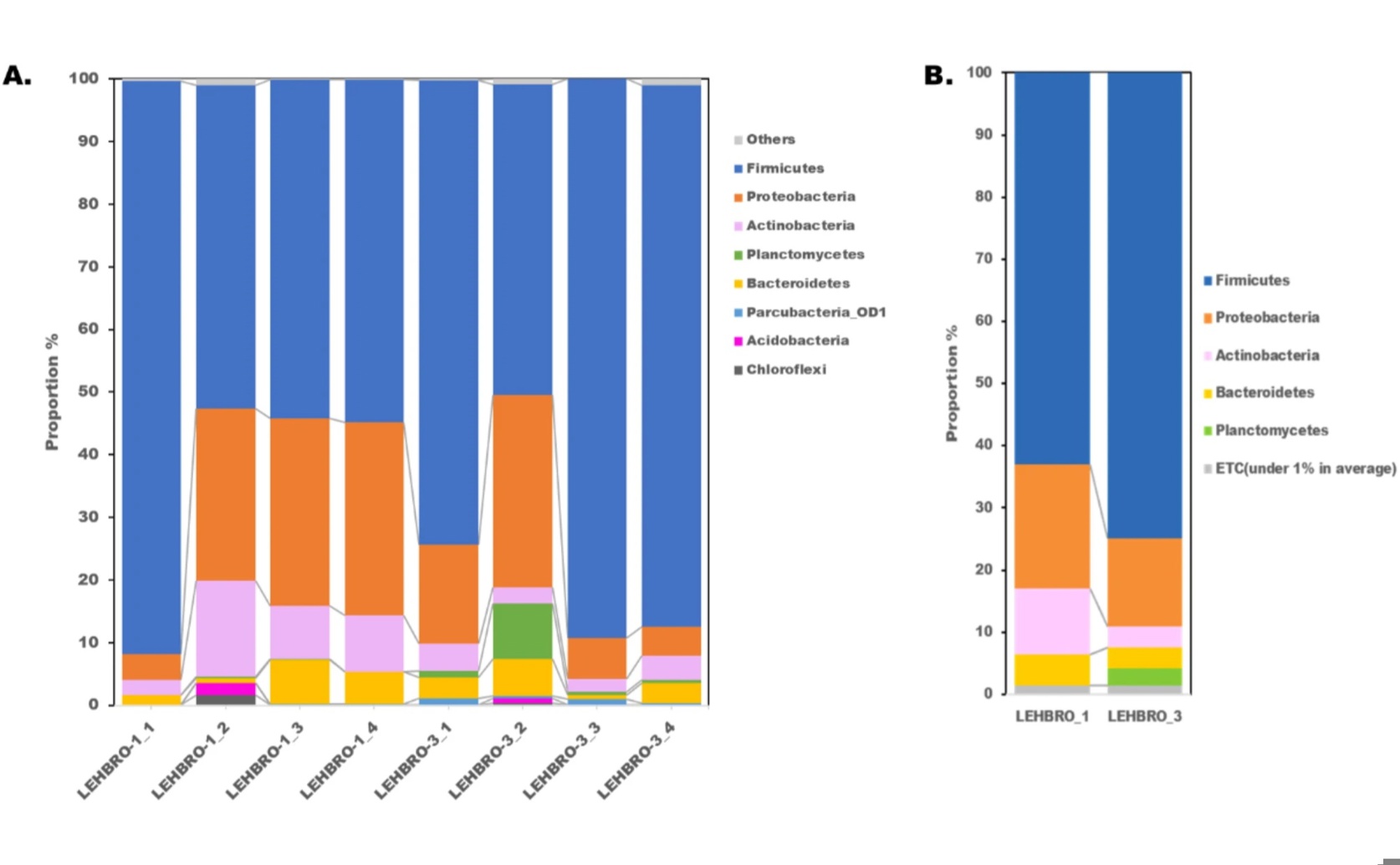
The gut bacteriomes of high-altitude adapted DIHAR-Red Line (LEHBRO-1) and DIHAR-Black Line (LEHBRO-3) chickens are dominated by the phylum Firmicutes, with notable line-specific variations in the abundance of other phyla (a, b), reflecting a key microbial adaptation for energy harvesting in extreme environments.

Image adapted from: Bhagat et al. / CC BY (Source)

Key Findings

  • The DRDO study in Leh-Ladakh found that high-altitude chicken breeds LEHBRO-1 and LEHBRO-3 have distinct gut bacteria that help them thrive in cold, low-oxygen environments
  • These unique gut microbes improve nutrient digestion and boost the chickens' immune systems, enhancing their health and productivity
  • Insights from the study could lead to developing probiotics that support poultry farming in harsh high-altitude regions
Raising poultry in high-altitude regions poses unique challenges due to extreme cold and reduced oxygen levels. These conditions can affect the health and productivity of chickens, making it essential to identify breeds that can thrive in such environments. Additionally, understanding the role of gut microbiota—the community of microorganisms living in the digestive system—can provide insights into improving chicken health and resilience. A recent study conducted by the Defence Research and Development Organisation (DRDO)[1] focused on two high-altitude-adapted chicken lines, LEHBRO-1 and LEHBRO-3, to explore their gut bacterial diversity and functional profiles. The research aimed to uncover how these chickens survive and remain productive in harsh high-altitude conditions by examining their gut bacteriome, which is crucial for nutrient digestion, immune function, and overall health[2][3]. The study employed amplicon-based metagenomics, a technique that allows for the detailed analysis of microbial communities by sequencing specific regions of bacterial DNA. This method enabled the researchers to identify and compare the types and functions of bacteria present in the guts of the two chicken lines. The findings revealed significant differences in the abundance of various bacterial groups at the phylum level. In LEHBRO-1 chickens, the predominant bacteria were Firmicutes, Proteobacteria, Bacteroidetes, and Actinobacteria. In contrast, LEHBRO-3 chickens had similar dominant phyla but included Planctomycetes instead of another group. At the genus level, the diversity of gut bacteria varied between the two lines, as confirmed by Linear Discriminant Analysis Effect Size (LEfSe) biomarker analysis. This analysis highlighted specific bacterial markers that distinguished LEHBRO-1 from LEHBRO-3, indicating unique microbial communities adapted to their respective environments. Understanding these differences is crucial because the gut microbiota plays a significant role in the immune system and overall health of chickens[2]. Functional profiling of the gut bacteriomes showed that both chicken lines had an enrichment of metabolic pathways related to carbohydrates, nucleotides, lipids, amino acids, fatty acids, energy, and glycans. These metabolic functions are essential for the chickens’ growth, energy production, and maintaining their health in high-altitude conditions. Additionally, the Statistical Analysis of Metagenomic Profiles (STAMP) revealed significant differences in purine and protein metabolism between LEHBRO-1 and LEHBRO-3. These differences suggest that each chicken line may utilize nutrients differently, contributing to their ability to survive and remain productive in low-oxygen environments. This study builds on previous research that identified the RIR cross-bred as a suitable broiler strain for high-altitude regions due to its improved weight gain and lower mortality rates[4]. While the earlier study[4] focused on the overall performance and mortality reduction through probiotic supplementation, the DRDO study delves deeper into the gut microbiota’s role in these outcomes. By understanding the specific bacterial communities and their metabolic functions, researchers can develop targeted gut therapeutics to further enhance chicken health and productivity in challenging environments. Furthermore, the findings align with reviews highlighting the importance of gut microbiota in farm animal health and welfare[2][3]. A healthy and diverse gut microbiota is linked to better immune responses, reduced disease incidence, and improved stress adaptation in farm animals. The unique gut bacteriome identified in the LEHBRO-1 and LEHBRO-3 chicken lines underscores the potential of manipulating gut bacteria to enhance animal welfare and performance in high-altitude poultry production[3]. The implications of this research are significant for the poultry industry, especially in regions where high-altitude farming is prevalent. By selecting chicken lines with beneficial gut microbiota and understanding their functional roles, farmers can improve the resilience and efficiency of their flocks. Additionally, this knowledge paves the way for developing probiotics or other microbiota-based interventions tailored to high-altitude conditions, further reducing mortality and enhancing growth performance without relying solely on traditional feed additives[4]. In conclusion, the DRDO’s study provides valuable insights into the gut bacteriome of high-altitude-adapted chickens, highlighting the intricate relationship between gut microbiota and environmental adaptation. By leveraging this information, future research can focus on enhancing gut health to support sustainable and productive poultry farming in extreme conditions. This approach not only addresses the immediate challenges of high-altitude farming but also contributes to the broader understanding of how gut microbiota influences animal health and productivity.

MedicineGeneticsAnimal Science

References

Main Study

1) Gut bacteriome dynamics in high altitude-adapted chicken lines: a key to future poultry therapeutics

Published 7th April, 2025

https://doi.org/10.1038/s41598-025-96178-1


Related Studies

2) Bridging intestinal immunity and gut microbiota by metabolites.

https://doi.org/10.1007/s00018-019-03190-6


3) Gut Microbiota Implications for Health and Welfare in Farm Animals: A Review.

https://doi.org/10.3390/ani12010093


4) Studies on the growth performance of different broiler strains at high altitude and evaluation of probiotic effect on their survivability.

https://doi.org/10.1038/srep46074


Related Articles

An unhandled error has occurred. Reload 🗙