Choosing the Best Semen Traits and Right Age for Better Rooster Breeding

Jim Crocker
4th April, 2025

Choosing the Best Semen Traits and Right Age for Better Rooster Breeding
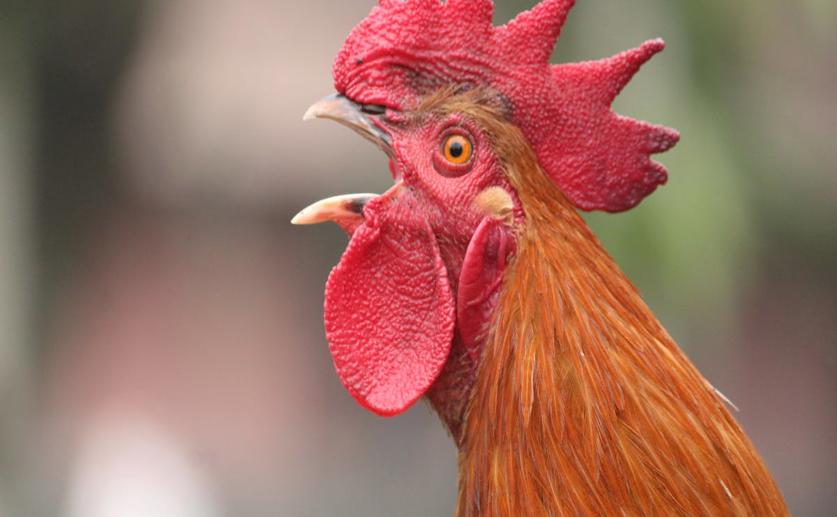
Image Source: Moon Bhuyan (photographer)

Key Findings

  • *Khon Kaen University in Thailand found that selecting the top young native roosters (32–52 weeks) based on semen volume, movement, and sperm count enhances fertility.*
  • *Even with low genetic influence on each semen trait, improving one trait positively affects others due to their genetic connections.*
  • *Focusing breeding efforts on younger roosters leads to higher reproductive success and increased poultry productivity for farmers.*
Reproductive efficiency is a crucial factor in the productivity of native chicken populations, particularly in regions with challenging climates like Thailand. Semen characteristics, such as semen volume, mass movement, sperm concentration, and viability, are key indicators of a rooster's fertility and overall reproductive success. Improving these traits can lead to higher fertility rates, better hatchability, and increased productivity, which are essential for the sustainability of poultry production systems and the livelihoods of smallholder farmers. A recent study conducted by researchers at Khon Kaen University[1] focused on enhancing the genetic evaluation of semen traits in Thai native grandparent roosters, specifically the Pradu Hang Dum breed. The study analyzed 3,475 test-day records of six semen traits collected from roosters aged between 32 and 52 weeks at the university's experimental farm. By employing a multi-trait animal model with average information restricted maximum likelihood (AI-REML), the researchers aimed to compare different age groups, estimate genetic parameters, and develop an optimal selection index for these semen traits. The findings revealed that the heritability estimates for semen volume, mass movement, sperm concentration, sperm abnormalities, sperm viability, and semen pH were relatively low, ranging from 0.043 to 0.161 across different age groups. Heritability indicates the proportion of variation in a trait that can be attributed to genetic differences among individuals. Despite the low heritability, the study identified significant genetic correlations among the semen traits, suggesting that selecting for one trait could positively influence others. The genetic correlations varied across age groups, highlighting the importance of considering age when selecting for specific semen characteristics. Building on earlier research, such as the studies on genetic parameters and growth traits in Thai native chickens[2][3][4], this study contributes to a more comprehensive understanding of the genetic factors influencing both growth and reproductive performance. For instance, previous studies demonstrated that genetic selection could improve growth rates and heat tolerance in chickens, which are essential for maintaining productivity in tropical climates[2][4]. By integrating these insights, the current study emphasizes the potential for simultaneous improvement of growth and reproductive traits through selective breeding. One of the significant outcomes of the study was the development of a selection index based on the most important semen traits: semen volume, mass movement, and sperm concentration. The selection index was found to be most effective in the youngest age group (32–52 weeks), suggesting that early selection can accelerate genetic progress in these traits. By targeting the top 10% of young roosters based on the selection index, breeders can effectively enhance reproductive efficiency in the population. The research also highlighted the importance of repeatability estimates, which ranged from low to moderate (0.119 to 0.384) for all traits and age groups. Repeatability measures the consistency of a trait across different measurements or time points. Moderate repeatability indicates that environmental factors and management practices play a role in determining semen quality, alongside genetic factors. This aligns with previous findings that environmental stresses, such as heat, can significantly impact growth and reproductive traits in chickens[2][4]. Moreover, the study's use of AI-REML and a multi-trait animal model allowed for a robust analysis of the genetic architecture of semen traits. This methodological approach builds on earlier genetic studies in native chickens, providing a more nuanced understanding of how different traits interact and influence each other. For example, the research by Ain Shams University[3] on inbreeding effects on growth and egg production traits underscores the complexity of genetic selection, where improving one trait may have unintended consequences on others. Similarly, the current study demonstrates that selecting for semen traits must consider their genetic correlations to avoid compromising other important characteristics. The implications of this research are significant for the poultry industry in Thailand and similar tropical regions. By implementing a selective breeding program focused on the identified semen traits, farmers can achieve higher reproductive performance, leading to increased flock sizes and better overall productivity. This not only benefits individual farmers by enhancing their economic viability but also contributes to the sustainability of poultry production systems, ensuring a stable supply of native chickens for local markets. In conclusion, the study by Khon Kaen University provides valuable insights into the genetic evaluation of semen traits in Thai native grandparent roosters. By identifying key semen characteristics and developing an effective selection index, the research paves the way for improved reproductive efficiency in native chicken populations. When considered alongside previous studies on growth and heat stress[2][3][4], it underscores the importance of integrated genetic strategies in enhancing both growth and reproductive performance under tropical conditions. This comprehensive approach is essential for the continued advancement and sustainability of poultry production in challenging environments.

AgricultureGeneticsAnimal Science

References

Main Study

1) Determining the priority semen characteristics and appropriate age for genetic improvement in Thai native roosters

Published 2nd April, 2025

https://doi.org/10.1371/journal.pone.0319537


Related Studies

2) Genetic Effect and Growth Curve Parameter Estimation under Heat Stress in Slow-Growing Thai Native Chickens.

https://doi.org/10.3390/vetsci8120297


3) Genetic parameters and inbreeding effects for production traits of Thai native chickens.

https://doi.org/10.5713/ajas.18.0690


4) Heat stress effects on the genetics of growth traits in Thai native chickens (Pradu Hang dum).

https://doi.org/10.5713/ab.23.0165


Related Articles

An unhandled error has occurred. Reload 🗙