Comparing Sperm Hormones and Quality in Wild and Farmed European Eels

Greg Howard
10th April, 2025

Comparing Sperm Hormones and Quality in Wild and Farmed European Eels

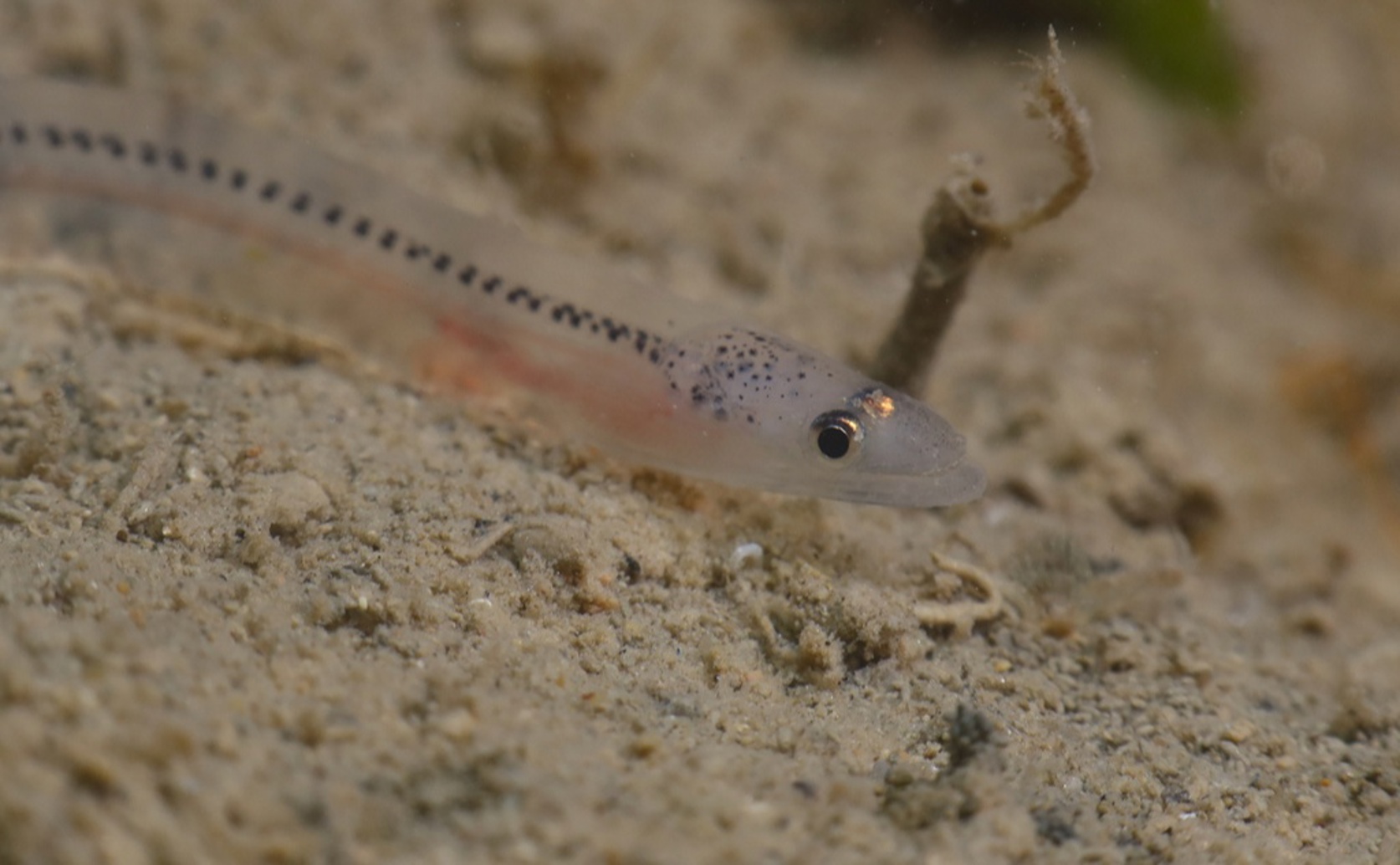
European Eel (Anguilla anguilla)

Photo adapted from: Julien Renoult / CC BY (Source)

Key Findings

  • In Italy’s North Adriatic, farmed European eels produce sperm with higher concentration and better movement than wild eels
  • Scientists successfully measured important hormones in eel sperm, enhancing reproductive understanding
  • These findings support improved breeding methods to help conserve the endangered European eel
The European eel (Anguilla anguilla) is a critically endangered species facing significant challenges in captive breeding and artificial reproduction. Successful reproduction in captivity is essential for conservation efforts, yet the life cycle of the European eel remains incomplete in controlled environments. To address this, researchers at the University of Bologna conducted a study aimed at enhancing assisted reproductive strategies by evaluating key hormonal and sperm quality parameters in both wild-caught and farmed male eels[1]. The primary objective of the study was to determine the feasibility of extracting and quantifying two important androgens, testosterone (T) and 11-ketotestosterone (11-KT), from the milt (sperm-containing fluid) of male European eels. Additionally, the researchers sought to compare the androgen profiles and functional characteristics of spermatozoa between wild-caught and farmed specimens. Understanding these hormonal differences is crucial because androgens play pivotal roles in spermatogenesis—the process of sperm production—and influence various physiological changes necessary for reproduction. To achieve their goals, the team subjected twenty-four male European eels from the North Adriatic region to a maturation-inducing hormonal treatment to stimulate milt production. Blood and milt samples were then collected and analyzed using enzyme-linked immunosorbent assay (ELISA) and radioimmunoassay (RIA) methodologies to quantify hormone levels. Additionally, spermatozoa from these samples were evaluated for viability and motility using objective techniques. The results revealed that plasma levels of testosterone averaged 2.32 ng/mL, while 11-ketotestosterone averaged 6.88 ng/mL. In the milt, testosterone was found at 0.24 ng/mL and 11-ketotestosterone at 1.09 ng/mL. Notably, milts from farmed eels exhibited significantly higher sperm concentrations and motility compared to those from wild-caught eels. These findings suggest that farming conditions may positively influence certain aspects of sperm quality, which is critical for successful fertilization and subsequent larval development. This study builds upon previous research that has explored various factors affecting sperm quality in European eels. For instance, prior studies have highlighted the importance of fatty acids in broodstock diets and their impact on sperm performance[2][3]. Specifically, fatty acids like eicosapentaenoic acid (EPA) and arachidonic acid (ARA) have been linked to sperm volume and motility, respectively[2]. The current study complements these findings by demonstrating that farmed eels, which are likely provided with optimized diets, show enhanced sperm quality metrics. This connection underscores the role of diet and controlled rearing conditions in improving reproductive outcomes for captive European eels. Moreover, the study’s focus on hormone quantification aligns with earlier research emphasizing the biological factors that influence sperm development and function. By measuring testosterone and 11-ketotestosterone levels, the researchers provide a hormonal context to the observed differences in sperm quality between farmed and wild eels. This hormonal profiling could lead to better understanding and manipulation of reproductive physiology to enhance breeding success in captivity. The methodological approach of the study also draws on established techniques in fish reproductive research. Previous studies have emphasized the importance of precise sperm analysis methods to accurately assess motility and viability[4][5]. By employing ELISA and RIA for hormone measurement and objective motility assessments, the researchers ensured reliable and reproducible results, contributing to the robustness of their findings. In conclusion, the University of Bologna’s study offers valuable insights into the reproductive physiology of the European eel, particularly in the context of conservation through aquaculture. By demonstrating that farmed eels exhibit higher sperm concentrations and motility, and by providing the first quantification of key androgens in eel milt, the research paves the way for improved assisted reproductive techniques. These advancements are crucial for developing sustainable breeding programs aimed at mitigating the decline of this endangered species.

BiochemAnimal ScienceMarine Biology

References

Main Study

1) Milt androgen profile and evaluation of sperm morpho-functional characteristics of wild-caught and farmed European eels (Anguilla anguilla)

Published 7th April, 2025

https://doi.org/10.1007/s10695-025-01494-y


Related Studies

2) Relationship between sperm quality parameters and the fatty acid composition of the muscle, liver and testis of European eel.

https://doi.org/10.1016/j.cbpa.2014.11.022


3) Impact of dietary fatty acids on muscle composition, liver lipids, milt composition and sperm performance in European eel.

https://doi.org/10.1016/j.cbpa.2015.01.015


4) Comparative evaluation of the effects of different activating media and temperatures on European eel (Anguilla anguilla) sperm motility assessed by computer assisted sperm analysis.

https://doi.org/10.1016/j.rvsc.2023.105045


5) Standardization of European eel (Anguilla anguilla) sperm motility evaluation by CASA software.

https://doi.org/10.1016/j.theriogenology.2013.01.019


Related Articles

An unhandled error has occurred. Reload 🗙