Forced Swimming Influences Stress, Immunity, and Antioxidants in Seabass

Greg Howard
6th March, 2025

Forced Swimming Influences Stress, Immunity, and Antioxidants in Seabass

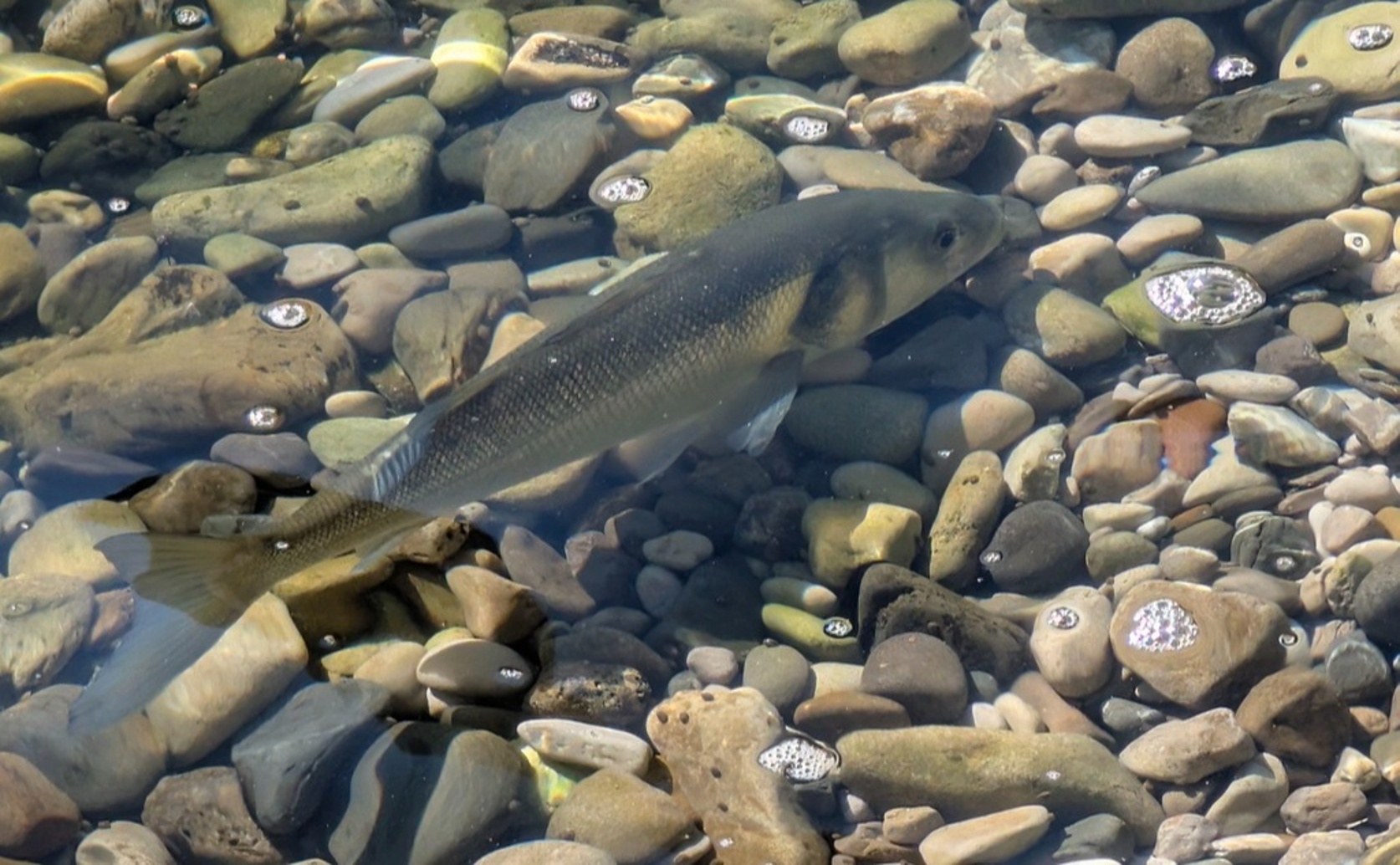
European Seabass (Dicentrarchus labrax)

Photographer: Zoltán Stekkelpak

Key Findings

  • In a University of Porto study, different swimming speeds were tested on farmed European seabass to improve their health
  • High-speed swimming caused stress and inflammation, while low-speed swimming boosted the fish's antioxidant defenses
  • Moderate, steady swimming enhances overall fish welfare, guiding better farming practices
Managing the growth and welfare of farmed fish is crucial for sustainable aquaculture. One key factor influencing fish health is their physical activity levels, particularly swimming behavior. The University of Porto conducted a study[1] to explore how different swimming conditions affect the immune and oxidative responses in European seabass (Dicentrarchus labrax), a widely farmed species in Southern Europe. The research aimed to identify optimal swimming conditions that could enhance the welfare of seabass by improving their physiological responses. To achieve this, thirty-two European seabass were divided into four groups, each subjected to different swimming regimes for six hours. The groups included steady low speed (0.8 body lengths per second, BL⋅s−1), steady high speed (2.2 BL⋅s−1), oscillating speeds between 0.8 and 2.2 BL⋅s−1, and a control group with minimal swimming (<0.1 BL⋅s−1). The study measured various parameters related to the immune system and oxidative stress. The high-speed swimming group showed increased white blood cell counts and elevated plasma cortisol levels compared to the control and low-speed groups. Cortisol is a hormone associated with stress responses[2], and its elevated levels indicated that high-speed swimming may induce stress in fish. However, innate immune parameters in both plasma and skin mucus did not differ significantly across the groups, suggesting that not all aspects of the immune system were affected by swimming speed. Gene expression analysis provided more insights into the physiological changes. In the gills of fish from the high and low-speed groups, there was an up-regulation of inflammatory cytokines (tnfα and il1β) and insulin-like growth factor 1 (igf1), respectively. The liver, a vital organ for metabolism and detoxification, showed no significant changes in gene expression across different swimming conditions. Additionally, in the skin, the low-speed group exhibited increased expression of tnfα, indicating localized inflammatory responses. Oxidative stress markers revealed that high-speed swimming led to increased activities of antioxidant enzymes such as superoxide dismutase and catalase in red muscle tissue. These enzymes help neutralize harmful free radicals produced during intense physical activity[3]. Despite the higher enzymatic activities, there was also an increase in lipid peroxidation levels in red muscle, which is a sign of oxidative damage. Conversely, the low-speed group maintained a higher ratio of reduced to oxidized glutathione (GSH: GSSG) in red muscle, indicating a better antioxidant status and reduced oxidative stress. This suggests that moderate, steady swimming enhances the fish's ability to manage oxidative stress more effectively. In the white muscle, all swimming conditions resulted in an increased GSH: GSSG ratio, highlighting a general improvement in antioxidant defenses regardless of swimming speed. However, hepatic markers of oxidative stress remained unchanged, implying that the liver was not significantly affected by the different swimming regimes. These findings build on previous studies that have explored the relationship between environmental factors and fish physiology. For instance, a phylogenetic meta-analysis revealed that temperature positively correlates with basal cortisol levels in fish, although this relationship varied between species[2]. The current study extends this understanding by showing that not only temperature but also physical activity levels, such as swimming speed, can influence cortisol levels and immune responses in European seabass. Furthermore, research on amino acids like methionine and tryptophan indicated their role in modulating immune and neuroendocrine responses in fish[3]. While the main study did not directly investigate dietary factors, the interplay between physical activity and immune function could be influenced by the nutritional status of the fish, as suggested by earlier findings. Another related study demonstrated that sustained swimming activity in gilthead sea bream led to improved growth rates and altered metabolic enzyme activities, reflecting enhanced aerobic capacity and energy utilization[4]. Similarly, the University of Porto's study found that low-speed swimming improved the antioxidant status in red muscle, which may contribute to better overall health and growth performance in European seabass. By systematically varying swimming conditions and measuring a range of physiological responses, the study provides valuable insights into how physical activity influences fish welfare. The use of controlled experimental setups allowed for the isolation of swimming speed as a key variable affecting immune and oxidative parameters. These findings are particularly relevant for aquaculture practices, where optimizing swimming conditions could lead to healthier and more resilient fish stocks. The study also highlights the importance of considering multiple physiological markers when assessing fish welfare. While high-speed swimming increased certain stress indicators, it did not uniformly affect all aspects of the immune system. This complexity underscores the need for comprehensive approaches in managing farmed fish environments. Moreover, the research calls for further investigation into how other environmental factors, such as dissolved oxygen and salinity, interact with swimming behavior to influence fish physiology[2]. Understanding these interactions can lead to more effective strategies for enhancing fish welfare and productivity in aquaculture settings. In conclusion, the University of Porto's study demonstrates that moderate, steady swimming enhances the antioxidant capacity of European seabass, potentially improving their welfare in farmed environments. These findings contribute to a broader understanding of how physical activity and environmental conditions impact fish health, building on previous research and providing a foundation for future studies aimed at optimizing aquaculture practices.

BiochemAnimal ScienceMarine Biology

References

Main Study

1) Induced swimming in European seabass (Dicentrarchus labrax): effects on the stress response, immune, and antioxidant status

Published 3rd March, 2025

https://doi.org/10.1007/s10695-025-01474-2


Related Studies

2) Water temperature explains part of the variation in basal plasma cortisol level within and between fish species.

https://doi.org/10.1111/jfb.15342


3) Neuroendocrine and Immune Responses Undertake Different Fates following Tryptophan or Methionine Dietary Treatment: Tales from a Teleost Model.

https://doi.org/10.3389/fimmu.2017.01226


4) Growth-promoting effects of sustained swimming in fingerlings of gilthead sea bream (Sparus aurata L.).

https://doi.org/10.1007/s00360-015-0933-5


Related Articles

An unhandled error has occurred. Reload 🗙