Optimizing Solar Panel Placement and Sizing in Power Grids

Jenn Hoskins
3rd April, 2025

Optimizing Solar Panel Placement and Sizing in Power Grids

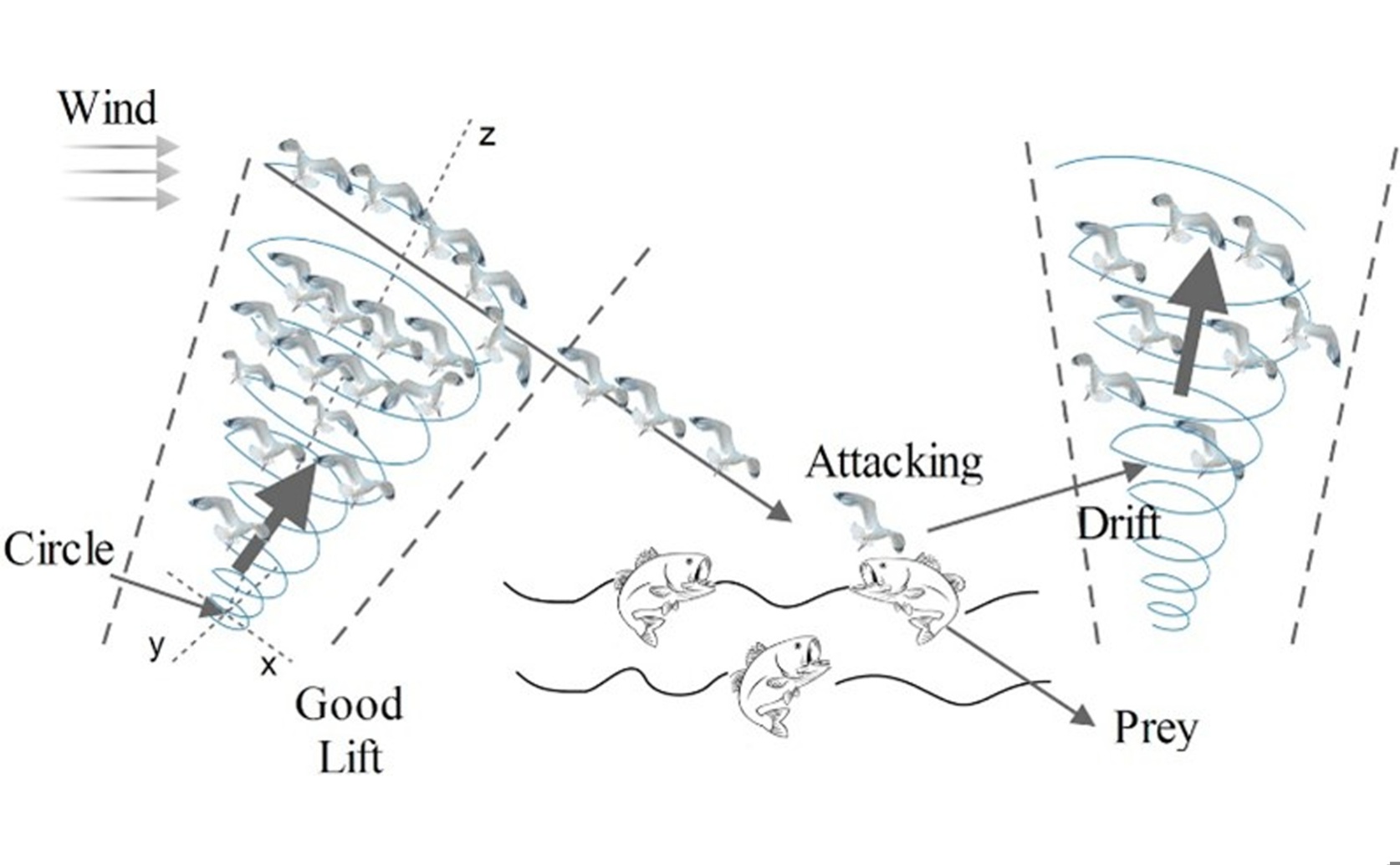
Migration and attacking prey.

Image adapted from: Diab et al. / CC BY (Source)

Key Findings

  • In Egypt, researchers optimized solar and wind placements in power grids, enhancing voltage stability and cutting power losses
  • Advanced algorithms like Salp Swarm and Marine Predictor effectively identified the best sites and sizes for renewable generators
  • These optimized RDG integrations make electrical networks more reliable and sustainable, supporting higher renewable energy use
Integrating renewable energy sources into power distribution systems is essential for enhancing efficiency and sustainability. Renewable Distributed Generations (RDGs), such as photovoltaic (PV) panels and wind turbines (WTs), play a crucial role in this integration. RDGs help improve voltage stability and reduce power losses in electrical networks, making the distribution system more reliable and efficient. However, determining the optimal locations and sizes for these RDGs within a network is a complex task that requires advanced optimization techniques. A recent study conducted by researchers at Minia National University, Egypt[1], addresses this challenge by employing sophisticated optimization algorithms to strategically allocate and size RDGs in radial distribution systems (RDS). The study is structured in two main phases to achieve its objectives. In the first phase, the researchers use the Loss Sensitivity Factor (LSF) to identify the most suitable nodes within the distribution network for integrating RDGs. The LSF is a measure that indicates how sensitive the power losses are to changes in power flow at different nodes. By focusing on nodes with high LSF values, the study ensures that RDGs are placed where they can most effectively reduce power losses. Once the candidate nodes are identified, the second phase involves determining the optimal location and capacity of the RDGs within these selected nodes. To accomplish this, the study employs several optimization algorithms, including the Salp Swarm Algorithm (SSA), Marine Predictor Algorithm (MPA), Grey Wolf Optimizer (GWO), Improved Grey Wolf Optimizer (IGWO)[2], and Seagull Optimization Algorithm (SOA). These algorithms are designed to explore various configurations and find the most efficient setup for RDGs that minimizes power losses and enhances voltage profiles. The Improved Grey Wolf Optimizer (IGWO) used in this study builds upon previous research[2], which introduced enhancements to the basic Grey Wolf Optimizer by incorporating evolutionary mechanisms and the "survival of the fittest" principle. These improvements allow IGWO to balance exploration and exploitation more effectively, leading to faster convergence and higher optimization accuracy. By integrating these advancements, the current study leverages IGWO’s capabilities to achieve more precise allocation and sizing of RDGs compared to traditional optimization methods. To validate the effectiveness of the proposed optimization techniques, the researchers tested their approach on two standard test networks: the IEEE 33 and IEEE 69 bus radial distribution systems, using MATLAB software. These test cases are widely recognized benchmarks in the power engineering field, providing a reliable means to assess and compare the performance of different optimization algorithms. Additionally, the study evaluated a larger 118-bus IEEE system to further demonstrate the scalability and robustness of the proposed methods. A real-world case study from a 15-bus network in Egypt was also included to showcase the practical applicability of the research in real distribution systems. The results of the study were promising. Integrating RDGs using the proposed optimization techniques led to significant improvements in voltage profiles and a reduction in power losses across all tested systems. Among the various algorithms evaluated, the Marine Predictor Algorithm (MPA) and the Salp Swarm Algorithm (SSA) consistently outperformed the other methods, including IGWO. These algorithms demonstrated superior capabilities in identifying optimal RDG placements and sizing, leading to enhanced overall system performance. The study’s findings have important implications for the future of power distribution systems. By effectively integrating RDGs, electrical networks can become more resilient and efficient, accommodating higher levels of renewable energy penetration without compromising stability. The use of advanced optimization algorithms, such as those evaluated in this research, provides a reliable framework for utilities and engineers to design and implement optimized RDG strategies tailored to specific network requirements. Moreover, this research builds upon and extends the advancements made in earlier studies, particularly the improved Grey Wolf Optimizer[2]. By applying IGWO in the context of RDG allocation and sizing, the study demonstrates how enhancements in optimization algorithms can translate into tangible benefits for power distribution systems. The superior performance of MPA and SSA in this study also highlights the importance of exploring a variety of optimization techniques to identify the most effective solutions for complex engineering challenges. In conclusion, the integration of renewable distributed generations is vital for modernizing power distribution systems. The study by Minia National University provides a valuable contribution by demonstrating how advanced optimization algorithms can be employed to optimize RDG allocation and sizing, leading to improved voltage profiles and reduced power losses. The research not only validates the effectiveness of these algorithms through rigorous testing but also expands on previous advancements in optimization techniques, paving the way for more efficient and sustainable power distribution networks.

EnvironmentSustainability

References

Main Study

1) Various optimization algorithms for efficient placement and sizing of photovoltaic distributed generations in different networks

Published 2nd April, 2025

https://doi.org/10.1371/journal.pone.0319422


Related Studies

2) An Improved Grey Wolf Optimizer Based on Differential Evolution and Elimination Mechanism.

https://doi.org/10.1038/s41598-019-43546-3


Related Articles

An unhandled error has occurred. Reload 🗙