Genetic Insights into Diversity and Height in Endangered Populations

Jenn Hoskins
27th March, 2025

Genetic Insights into Diversity and Height in Endangered Populations

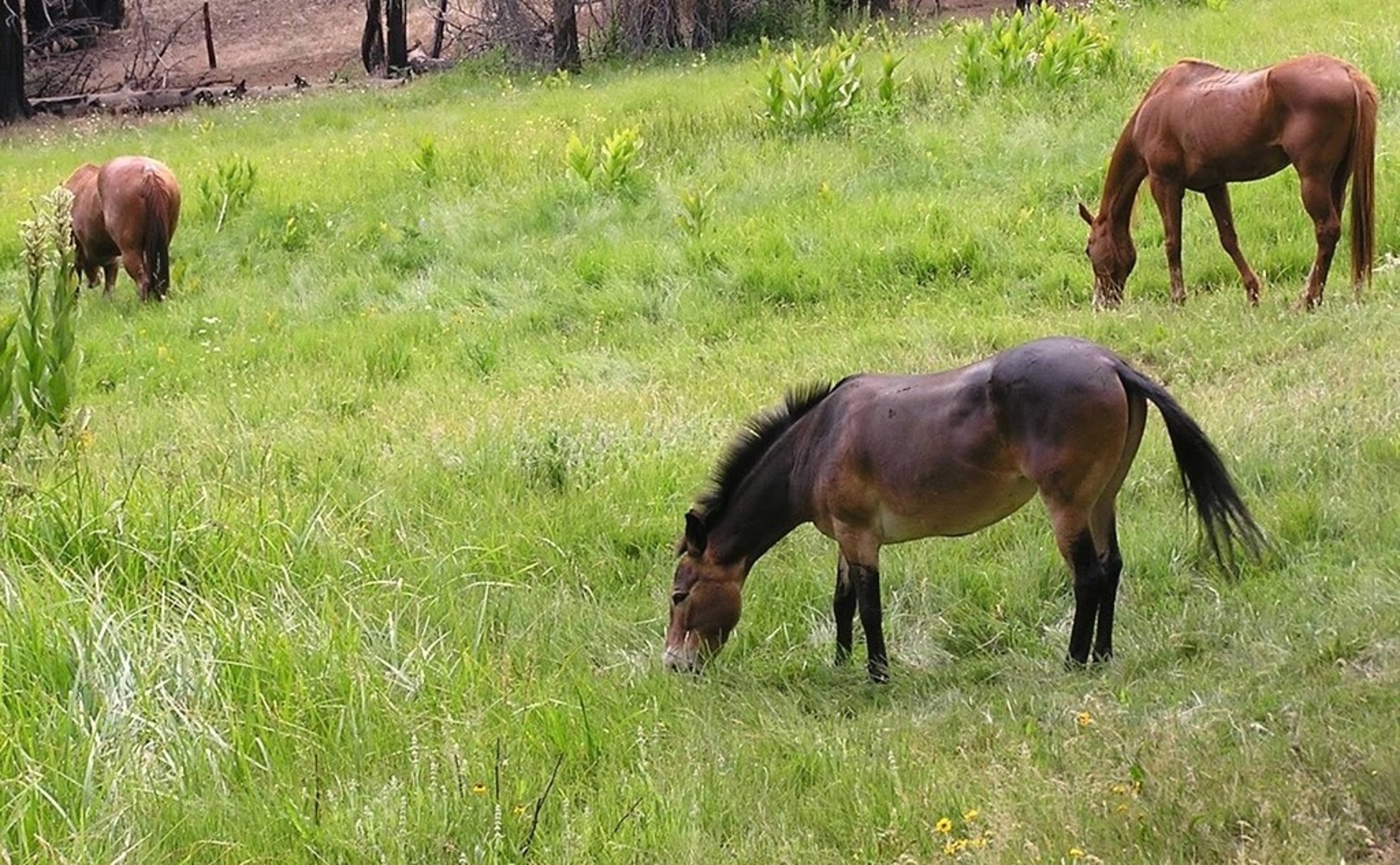
Domestic Horse (Equus caballus)

Photo adapted from: Justin / CC BY (Source)

Key Findings

  • In China, Ningqiang ponies have unique genetic traits and show moderate inbreeding, distinguishing them from other local horse breeds
  • Scientists identified key genes, including TBX3, that determine the ponies' small size, enhancing understanding for breeding programs
  • The study highlights the need for conservation efforts to preserve the genetic diversity and future resilience of Ningqiang ponies
Genetic diversity is essential for the resilience of livestock and poultry, enabling them to adapt to changing environments and production demands. However, poor management practices, especially in developing regions, have led to the decline or extinction of several breeds. Understanding the genetic makeup and history of local breeds is crucial for their conservation and sustainable use. A recent study conducted by researchers at Northwest A&F University[1] focused on the Ningqiang ponies, a local breed in China, to explore their genetic diversity, differentiation, and the genetic factors influencing their small stature. The study sequenced the genomes of 30 Ningqiang ponies and compared them with 56 other ponies and 104 horses. This comprehensive comparison aimed to shed light on the genetic uniqueness of Ningqiang ponies and identify the genes responsible for their distinctive body size. Population structure analysis revealed that Ningqiang ponies are part of the southwestern Chinese pony group and exhibited a moderate level of inbreeding compared to other breeds. This finding aligns with previous research indicating that multiple ancestral horse populations contributed to modern domesticates, suggesting a complex domestication history[2][3]. Mitochondrial DNA analysis played a significant role in the study, showing that Ningqiang ponies share dominant haplogroups A and C with Debao ponies[4]. This shared genetic heritage points to a common maternal origin, supporting the idea that several distinct horse populations were involved in the domestication process[3]. Additionally, the study found low genetic differentiation and ongoing gene flow between Ningqiang ponies and Datong horses, another regional breed. This gene flow indicates that there has been interbreeding between these populations, which may have contributed to their genetic diversity. One of the crucial aspects of the study was assessing the effective population size of Ningqiang ponies. The results showed a downward trend, reflecting historical population size reductions. Such trends are concerning as they can lead to decreased genetic diversity and increased vulnerability to diseases and environmental changes. This decline underscores the importance of implementing conservation strategies to preserve the genetic resources of Ningqiang ponies. The researchers also conducted a selection signal scan using methods like CLR and θπ to identify genes under positive selection. They discovered several key genes associated with bone development, including ANKRD11, OSGIN2, JUNB, and RPL13, as well as genes involved in immune response, such as RIPK2. These genes likely play a role in the small stature of Ningqiang ponies and their ability to thrive in specific environmental conditions[4]. Furthermore, the study employed genome-wide association analysis and selective signature analysis (FST) to identify single nucleotide polymorphisms (SNPs) and genes linked to body height differences between ponies and horses. The most significant finding was the TBX3 gene located on equine chromosome 8 (ECA8). TBX3 is known to influence limb and heart development, and mutations in this gene have been associated with various growth abnormalities in other species. Additional candidate genes identified include TBX5, ASAP1, CDK12, CA10, and CSMD1, all of which have roles in growth regulation and development[5]. These findings not only enhance our understanding of the genetic basis for body size in horses but also provide valuable insights for breeding programs. By identifying specific genes associated with desirable traits, breeders can make more informed decisions to maintain and improve horse breeds. This is particularly important for local breeds like the Ningqiang pony, which may possess unique genetic traits valuable for adapting to future agricultural challenges[5]. The study by Northwest A&F University builds upon earlier research by integrating genomic data to provide a clearer picture of horse domestication and genetic diversity. For instance, earlier studies have shown that Przewalski's horses are the feral descendants of early domesticated horses from the Botai culture[2], and that multiple maternal lineages were involved in horse domestication[3]. The current study adds to this body of knowledge by highlighting the genetic connections between different pony breeds and identifying specific genes that contribute to their physical characteristics. In conclusion, the research on Ningqiang ponies offers significant advancements in our understanding of horse genetics and domestication. By uncovering the genetic factors that contribute to body size and identifying the extent of genetic diversity within and between breeds, the study provides a foundation for effective conservation and breeding strategies. Preserving the genetic diversity of local breeds like the Ningqiang pony is not only important for maintaining biodiversity but also for ensuring the sustainability of livestock production systems in the face of future challenges.

WildlifeGeneticsAnimal Science

References

Main Study

1) Genomic insights into the genetic diversity and genetic basis of body height in endangered Chinese Ningqiang ponies

Published 24th March, 2025

https://doi.org/10.1186/s12864-025-11484-2


Related Studies

2) Ancient genomes revisit the ancestry of domestic and Przewalski's horses.

https://doi.org/10.1126/science.aao3297


3) Mitochondrial DNA and the origins of the domestic horse.

Journal: Proceedings of the National Academy of Sciences of the United States of America, Issue: Vol 99, Issue 16, Aug 2002


4) Comparative population genomic analysis uncovers novel genomic footprints and genes associated with small body size in Chinese pony.

https://doi.org/10.1186/s12864-020-06887-2


5) Signatures of selection analysis using whole-genome sequence data reveals novel candidate genes for pony and light horse types.

https://doi.org/10.1139/gen-2020-0001


Related Articles

An unhandled error has occurred. Reload 🗙