Heavy Metals and Health Risks in Sesame Seeds from Major Growing Regions

Greg Howard
8th March, 2025

Heavy Metals and Health Risks in Sesame Seeds from Major Growing Regions

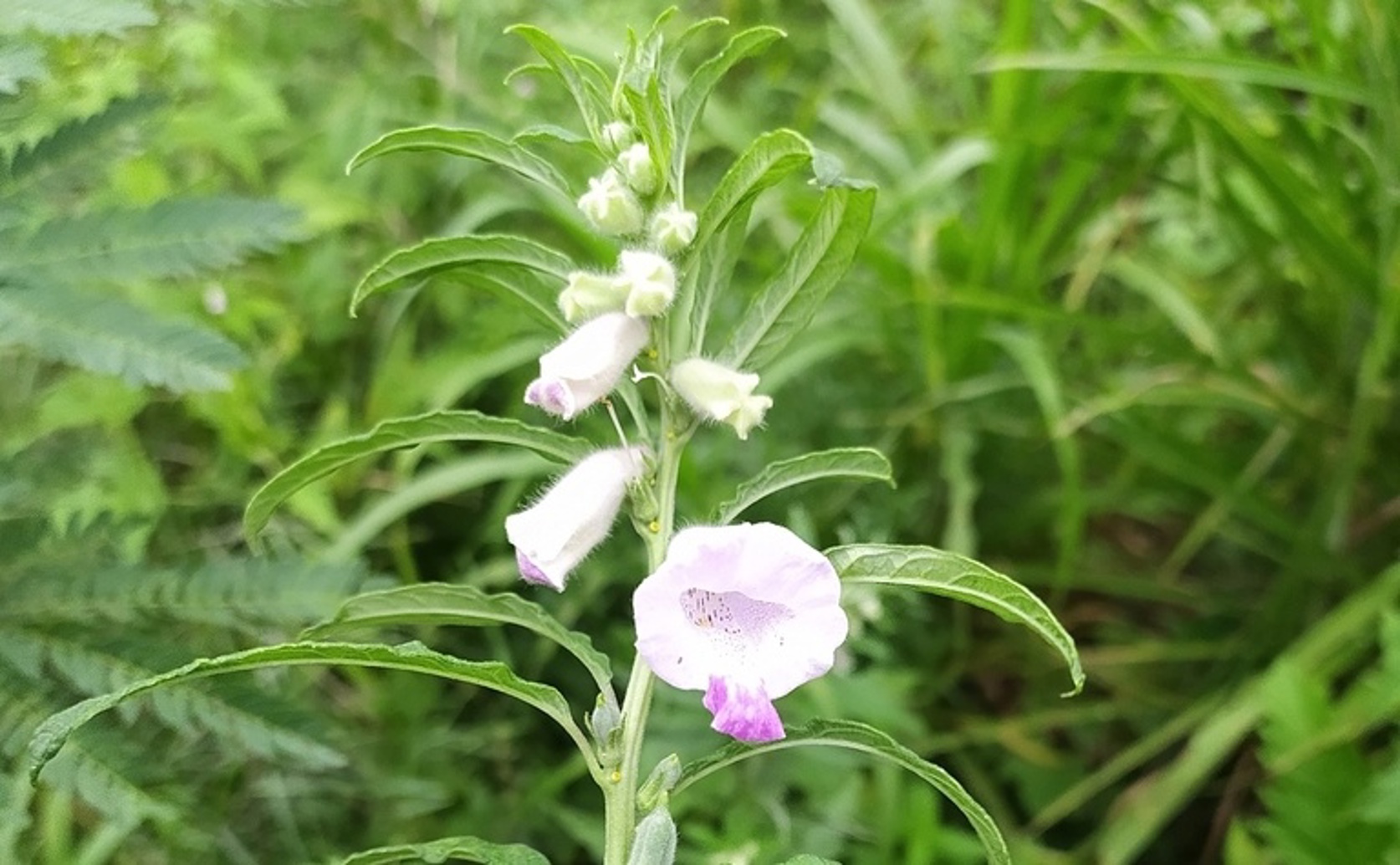
Sesame (Sesamum indicum)

Photographer: Geetha Ramaswami

Key Findings

  • Researchers in Ethiopia tested white sesame seeds from major growing areas for metals like iron and zinc
  • They found varying metal levels across regions, but all were safe for both adults and children to consume
  • Unlike some vegetables, sesame seeds did not pose any health risks from metal contamination
Sesame is a vital oilseed crop worldwide, with white sesame playing a significant role in Ethiopia's economy by contributing to foreign exchange earnings. However, the presence of trace metals in food products like sesame seeds can pose health risks to consumers if levels exceed safe limits. Understanding the concentration of these metals and their potential impact on health is essential for ensuring food safety and public health. A recent study conducted by the University of Gondar and Muhammad Nawaz Sharif University of Agriculture[1] focused on assessing the levels of trace metals in white sesame seeds from major production districts in Ethiopia, including Humera, Metema, Tegedie, Mirab-Armachiho, and Tachi-Armaciho. The research aimed to evaluate the safety of sesame consumption by measuring the concentrations of iron (Fe), copper (Cu), zinc (Zn), manganese (Mn), and nickel (Ni) in the seeds and assessing the associated health risks for both adults and children. The study collected 53 sesame seed samples from 19 farmer villages across the five districts. To ensure accuracy, the samples were homogenized and analyzed using the acid digestion method followed by flame atomic absorption spectroscopy (FAAS). This method allows for precise measurement of metal concentrations. The detection limits for the elements ranged from 0.75 to 865 mg/kg, and the quantitation limits varied between 2.55 to 28.8 mg/kg. The recovery rates, which indicate the method's accuracy, were between 90.9% and 99.6%, demonstrating reliable results. Results revealed that trace metal concentrations in sesame seeds varied significantly across different regions. Iron levels ranged from 164 ± 6 to 381 ± 4 mg/kg, zinc from 94.0 ± 1.9 to 126 ± 0.8 mg/kg, copper from 11.8 ± 0.4 to 14.2 ± 0.4 mg/kg, manganese from 11.9 ± 0.9 to 15.0 ± 0.7 mg/kg, and nickel from 16.2 ± 1.1 to 21.0 ± 1.2 mg/kg. The statistical analysis using one-way ANOVA indicated significant differences in trace metal concentrations among the districts, suggesting that geographical factors influence the metal content in sesame seeds. Importantly, the study found that the levels of these trace metals in sesame seeds did not pose non-carcinogenic health risks to consumers, whether adults or children. This conclusion is based on the evaluation of metrics such as the estimated daily intake (EDI), target hazard quotient (THQ), and hazard index (HI), all of which remained within safe limits. These findings are particularly reassuring given the previous study by the same research institution[2], which highlighted significant health risks from heavy metals in various vegetables grown in Addis Ababa. While vegetables like lettuce, cabbage, and green onion from certain irrigation sites exceeded permissible levels of metals like lead (Pb) and manganese (Mn), sesame seeds did not show similar levels of contamination, indicating that sesame cultivation practices or soil conditions in the studied districts might be different. Another related study on honey samples from Southern Ethiopia[3] found that trace metal levels in honey were below the maximum permissible limits set by WHO/FAO, with no significant health risks identified. This aligns with the current study's findings on sesame seeds, suggesting that not all agricultural products in Ethiopia are equally affected by heavy metal contamination. The difference in findings between vegetables and sesame seeds may be attributed to varying agricultural practices, soil types, and environmental conditions across different regions. The methodology employed in the sesame study, involving acid digestion and FAAS, is a standard and reliable approach for detecting trace metals. The high recovery rates further validate the accuracy of the measurements, ensuring that the conclusions drawn are based on precise data. The geographical variation in trace metal content underscores the importance of localized studies, as contamination levels can differ significantly even within the same country. Moreover, the absence of non-carcinogenic health risks from sesame consumption is a positive outcome, especially considering the critical role sesame plays in the diet and economy. Sesame seeds are not only a source of essential nutrients but also an important export product. Ensuring their safety supports both public health and economic stability. Comparing these findings with the earlier study[2], it becomes evident that while some crops may accumulate harmful levels of heavy metals, others like sesame can remain within safe consumption thresholds. This highlights the need for continuous monitoring and regulation of different agricultural products to prevent widespread health issues. Additionally, factors such as irrigation practices, soil quality, and the use of fertilizers and pesticides can influence metal uptake in plants. Understanding these factors can help in developing strategies to minimize contamination and ensure the safety of food products. The sesame study also contributes to the broader understanding of trace metal distribution in Ethiopian agriculture. By focusing on a key export crop, the research provides valuable insights into how different regions manage soil and crop health. The significant geographical differences observed suggest that certain areas may require targeted interventions to maintain or improve soil quality, thereby ensuring that all crops remain safe for consumption. In conclusion, the study conducted by the University of Gondar and Muhammad Nawaz Sharif University of Agriculture provides reassuring evidence that white sesame seeds from major Ethiopian production districts are safe for consumption, with trace metal levels well within acceptable limits. This contrasts with previous findings in vegetables and aligns with studies on honey, indicating a varied landscape of trace metal contamination across different agricultural products. Continuous monitoring and region-specific strategies will be essential in maintaining the safety and economic viability of Ethiopia's agricultural sector.

AgricultureNutritionHealth

References

Main Study

1) Trace metals and their human health risks in sesame seeds from the main cultivation areas of Ethiopia

Published 7th March, 2025

https://doi.org/10.1371/journal.pone.0319566


Related Studies

2) Heavy metal contamination and health risk assessment of horticultural crops in two sub-cities of Addis Ababa, Ethiopia.

https://doi.org/10.1016/j.toxrep.2023.09.002


3) Levels and health risk assessment of trace metals in honey from different districts of Bench Sheko Zone, Southwest Ethiopia.

https://doi.org/10.1016/j.heliyon.2022.e10535


Related Articles

An unhandled error has occurred. Reload 🗙