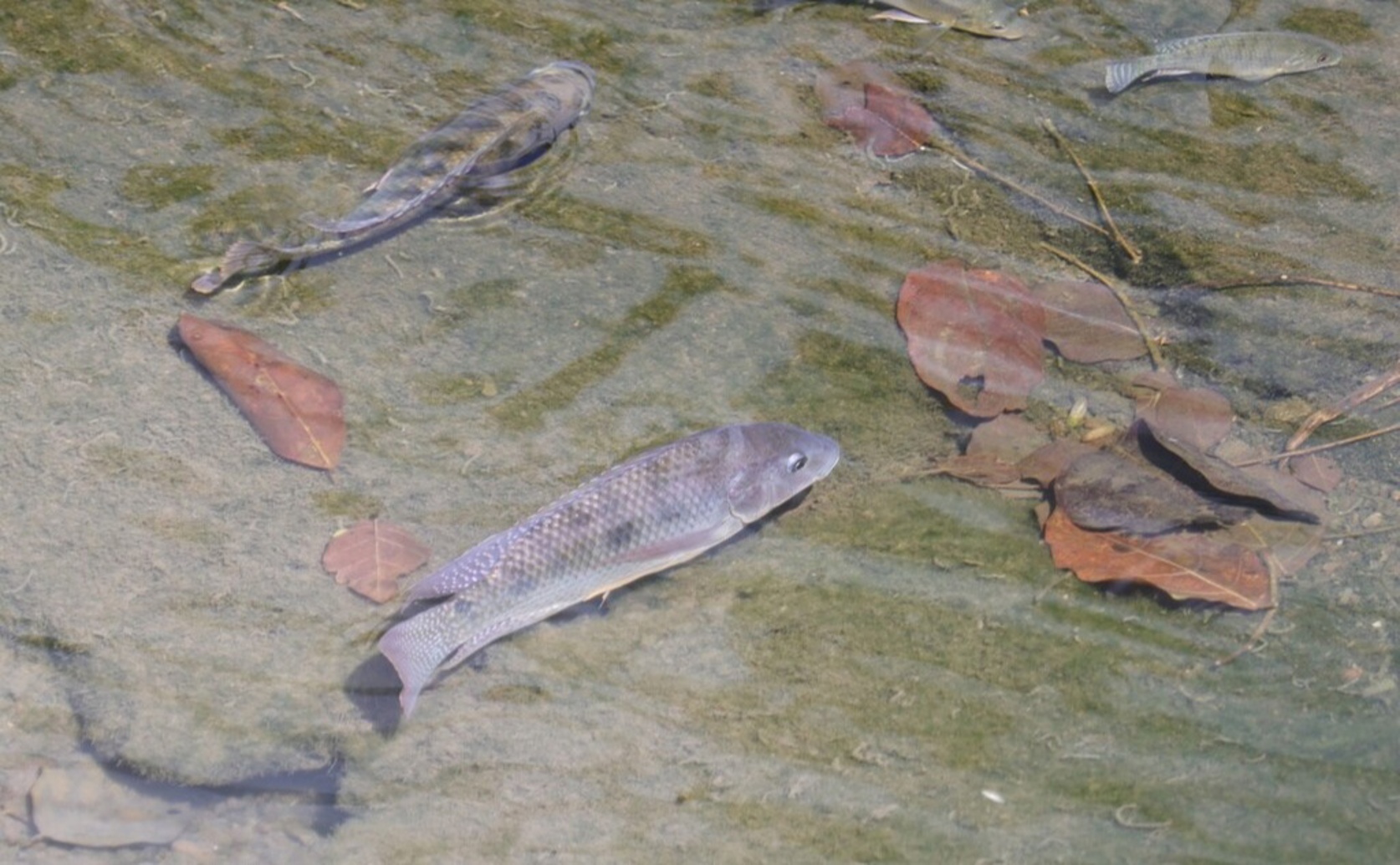
Effects of Clay Additives in Diet on Tilapia Growth and Health

Greg Howard
14th February, 2025

Effects of Clay Additives in Diet on Tilapia Growth and Health
Image Source: © Natural Science News. This image is an artistic rendition.

Key Findings

  • In Egypt, adding Biocide to Nile tilapia diets boosted their growth and made feed use more efficient
  • Biocide-fed fish showed healthier blood, better digestion, and stronger immune systems, enhancing disease resistance
  • The supplement was safe at tested levels, supporting its use for sustainable and effective fish farming
Aquaculture, the farming of fish, is a rapidly growing industry essential for global food security. However, intensive farming conditions often subject fish to stress from poor water quality, overcrowding, and disease, which can negatively impact their health and growth, leading to significant economic losses[2]. To address these challenges, researchers continuously explore dietary supplements that can enhance fish health and performance. A recent study by the Agriculture Research Center in Egypt[1] investigated the effects of a novel dietary supplement called Biocide on Nile tilapia (Oreochromis niloticus), a widely farmed fish species. Biocide is a specialized additive containing silicon tetrahedrons, organic acids such as fumaric and citric acid, and a blend of amino acids including glutamine, tyrosine, methionine, serine, and threonine. These components are chosen for their potential to improve various physiological aspects of fish. In the study, 300 Nile tilapia fingerlings with an initial weight of approximately 3.55 grams were divided into five groups, each receiving different concentrations of Biocide in their diet (0.0, 0.25, 0.5, 1, and 2 grams per kilogram of feed) over a period of 90 days. The researchers aimed to evaluate how Biocide supplementation would affect growth performance, feed utilization, immune response, and oxidative status in the fish. The results were promising, particularly for the group that received 1 gram of Biocide per kilogram of feed. These fish exhibited the highest weight gain and the most efficient feed conversion ratio, meaning they converted feed into body mass more effectively than the control group. Additionally, the protein efficiency ratio, a measure of how well the fish utilized protein from their diet, was significantly improved. These findings align with previous research indicating that overfortifying diets with specific nutrients can enhance growth and health in fish[2]. Beyond growth metrics, the study found that fish supplemented with Biocide showed significant improvements in several health indicators. Hematological parameters, such as red blood cell count, hemoglobin concentration, and packed cell volume, were elevated, suggesting better oxygen transport and overall health. Serum lipid profiles also improved, with reductions in cholesterol, triglycerides, low-density lipoprotein (LDL), and very-low-density lipoprotein (VLDL) levels, while high-density lipoprotein (HDL) levels increased. These changes indicate a healthier cardiovascular status, which is crucial for maintaining vigorous growth and resistance to disease. Antioxidant capacity is another critical factor in fish health, as oxidative stress can damage cells and tissues. The Biocide-supplemented diets led to elevated activities of antioxidant enzymes like catalase and glutathione peroxidase in both the liver and intestine. Additionally, levels of malondialdehyde (MDA), a marker of oxidative stress, were reduced. This enhancement in antioxidant defenses helps protect fish from peroxidative damage, a concern highlighted in earlier studies where fish are vulnerable due to their high content of unsaturated fatty acids[2]. Digestive efficiency was also notably improved in fish receiving Biocide. Enzymes responsible for breaking down nutrients—amylase, lipase, and protease—were more active, facilitating better digestion and nutrient absorption. This improvement in digestive function is consistent with findings from studies on prebiotics and probiotics, which also aim to enhance gut health and nutrient utilization[3]. Histopathological analysis revealed that Biocide positively affected the internal organs of the fish. The liver, stomach, and intestines showed healthier morphology, with increased mucous secretion and enhanced intestinal villi structure. A healthy gut is vital for effective nutrient absorption and serves as a barrier against pathogens, thereby improving overall resilience and growth performance. These structural improvements support the notion that Biocide strengthens gut health, a mechanism emphasized in previous research on dietary supplements for fish[3]. Furthermore, the immune response of the fish was bolstered by Biocide supplementation. Enhanced immune function reduces the susceptibility of fish to infections and diseases, which is crucial in intensive farming environments where disease outbreaks can be devastating. This improvement parallels findings from other studies where dietary supplements like synbiotics have been shown to enhance immune parameters and disease resistance in fish[3]. Importantly, the study found no significant differences in survival rates among the different treatment groups, indicating that Biocide is safe for use at the tested concentrations. The optimal dose of 1 gram per kilogram of feed not only maximized growth and health benefits but also maintained high survival rates, making it a viable option for aquaculture practitioners. The implications of this research are significant for the aquaculture industry. By incorporating Biocide into fish diets, farmers can achieve better growth rates and feed efficiency, leading to increased productivity and profitability. Additionally, the improvements in immune function and antioxidant capacity contribute to healthier fish with greater resistance to disease, thereby reducing the need for antibiotics. This aligns with the growing emphasis on sustainable and responsible aquaculture practices that minimize environmental impact and prevent the accumulation of antibiotics in fish tissues[2]. Overall, the study from the Agriculture Research Center in Egypt demonstrates that Biocide is an effective dietary additive for enhancing the growth performance, health, and resilience of Nile tilapia. By building on earlier research on nutritional supplements in aquaculture[2][3][4], this study provides a comprehensive evaluation of a new product that holds promise for improving aquaculture outcomes. As the industry continues to face challenges related to intensive farming conditions, innovations like Biocide offer valuable solutions to promote sustainable and efficient fish farming.

NutritionHealthAnimal Science

References

Main Study

1) Impact of dietary Biocide clay on growth, physiological status, and histological indicators of the liver and digestive tract in Nile tilapia (Oreochromis niloticus).

Published 13th February, 2025

https://doi.org/10.1038/s41598-025-89042-9


Related Studies

2) Nutrition and health of aquaculture fish.

https://doi.org/10.1111/j.1365-2761.2011.01333.x


3) Growth promoter, immune response, and histopathological change of prebiotic, probiotic and synbiotic bacteria on Nile tilapia.

https://doi.org/10.1016/j.sjbs.2022.103539


4) Oregano (Origanum vulgare) Extract Enhances Zebrafish (Danio rerio) Growth Performance, Serum and Mucus Innate Immune Responses and Resistance against Aeromonas hydrophila Challenge.

https://doi.org/10.3390/ani11020299


Related Articles

An unhandled error has occurred. Reload 🗙