Sulfur Cycling by Soil Microbes Increases Nutrient Availability to Canola

Greg Howard
26th February, 2025

Sulfur Cycling by Soil Microbes Increases Nutrient Availability to Canola

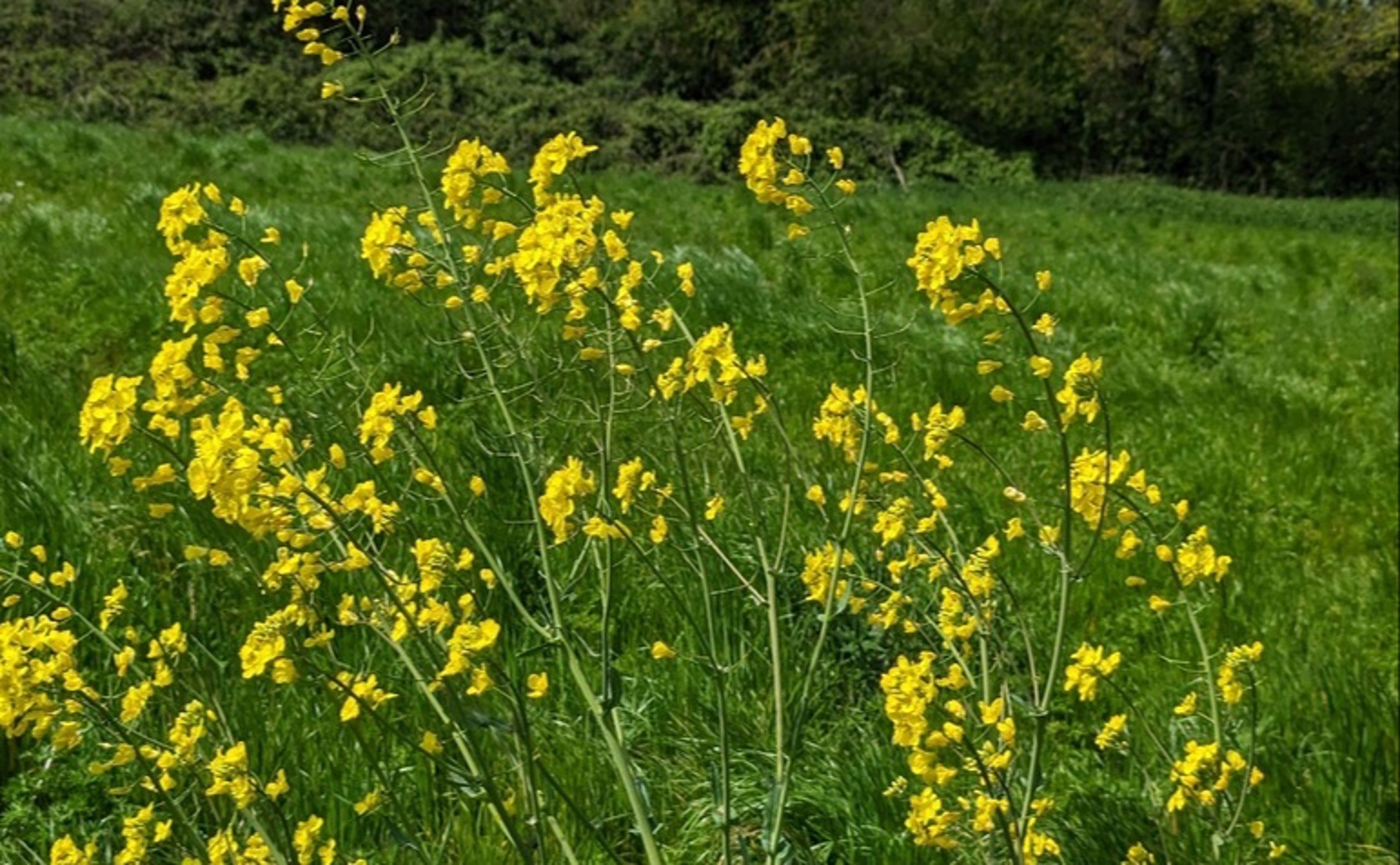
Rapeseed (Brassica napus)

Photographer: Piermario Maculan

Key Findings

  • Researchers in Rawalpindi, Pakistan, discovered that adding special bacteria to soil enhances nutrient levels for crops
  • Using half the usual fertilizer with these bacteria significantly boosted soil nutrients and increased canola growth and yield
  • This sustainable method reduces fertilizer dependence, improves soil health, and supports eco-friendly farming practices
Sulfur is a vital nutrient for plant growth, playing a key role in the formation of essential amino acids, enzymes, and various metabolic processes. Despite its importance, sulfur deficiency in soils is increasingly recognized as a limiting factor for crop productivity, particularly under intensive agricultural practices and changing climate conditions. Addressing sulfur deficiency is crucial for enhancing soil fertility and ensuring global food security[2]. Recent research conducted by PMAS Arid Agriculture University, Rawalpindi, Pakistan[1] explores innovative methods to improve sulfur availability in soil through the use of beneficial microorganisms. The study focuses on sulfur-oxidizing bacteria (SOB) and sulfur-reducing bacteria (SRB), which participate in the biogeochemical cycling of sulfur, thereby increasing the bioavailability of sulfate (SO₄²⁻) to plants. The study was carried out in two phases. In the first phase, researchers isolated SOB strains from soil samples and screened them based on their ability to reduce pH in thiosulfate broth, indicating effective sulfur oxidation. In the second phase, a pot experiment was conducted using canola (Brassica napus) as the test crop. Various treatment combinations were applied, including a control with no inoculum, half and full doses of conventional NPK fertilizer (containing nitrogen, phosphorus, and potassium), and combinations of half NPK with SOB, SRB, or both SOB and SRB. Sulfur-reducing bacteria (SRB) operate under anaerobic conditions, converting sulfate to hydrogen sulfide (H₂S) or elemental sulfur (S°), which can then be utilized by SOB. This microbial interaction enhances the sulfur cycle in the soil, making sulfate more available to plants. The study aimed to determine whether combining these microbes with reduced fertilizer inputs could maintain or even improve nutrient availability and crop yield. The results were promising. The treatment combining half NPK with both SOB and SRB significantly increased the availability of essential nutrients in the soil. Specifically, soil nitrogen (N), phosphorus (P), potassium (K), and sulfate (SO₄²⁻) levels rose by 15.9%, 38%, 2.0%, and 72%, respectively, compared to full NPK fertilization alone. In the plants, nitrogen, potassium, and sulfate content increased by 7.7%, 31%, and 239%, respectively. Additionally, the greatest reduction in soil pH was observed with the half NPK plus SOB treatment, which can enhance nutrient uptake by plants. These findings build on previous research that highlights the critical role of soil microorganisms in nutrient cycling. For instance, diverse microbial populations in the soil and rhizosphere are known to improve soil fertility and plant health by cycling nutrients and reducing the environmental impact of synthetic fertilizers[2]. Moreover, studies on Brassica juncea mustard have shown that sulfur accumulation and remobilization within the plant are essential for the synthesis of important compounds like glucosinolates, which are vital for plant defense and human nutrition[3]. The integration of SOB and SRB into agricultural practices offers several advantages. By enhancing the natural sulfur cycle, these microbes can reduce the dependency on chemical fertilizers, mitigating their adverse effects on the environment. This approach aligns with the findings of earlier studies that suggest microbial inoculants can improve nutrient mobilization, hormone production, and stress mitigation in plants[2]. Furthermore, the use of beneficial microbes supports sustainable agriculture by maintaining soil health and increasing crop resilience against nutrient deficiencies. The study by PMAS Arid Agriculture University also emphasizes the importance of conducting large-scale, long-term field trials to validate the effectiveness of microbial inoculants under various agricultural conditions. Such trials are essential to determine the optimal combinations of microbes and fertilizer inputs for different crops and soil types. Additionally, understanding the interactions between SOB, SRB, and other soil microorganisms will help refine biofertilizer formulations and application methods. In conclusion, the research demonstrates that microbial inoculation with SOB and SRB, in combination with reduced NPK fertilization, can significantly enhance nutrient availability and improve crop growth and yield. This method not only addresses sulfur deficiency but also promotes a more sustainable and environmentally friendly approach to agriculture. By leveraging the natural processes of soil microorganisms, farmers can achieve better soil health and higher productivity while reducing the reliance on chemical fertilizers[2][3].

BiochemEcologyPlant Science

References

Main Study

1) Redox cycling of sulfur via microbes in soil boosts the bioavailability of nutrients to Brassica napus

Published 24th February, 2025

https://doi.org/10.1371/journal.pone.0318936


Related Studies

2) Microbes-mediated sulphur cycling in soil: Impact on soil fertility, crop production and environmental sustainability.

https://doi.org/10.1016/j.micres.2023.127340


3) Remobilization and fate of sulphur in mustard.

https://doi.org/10.1093/aob/mcz101


Related Articles

An unhandled error has occurred. Reload 🗙