Study Shows How Plants React Physically and Chemically to Cinnamon Oil

Jenn Hoskins
23rd February, 2025

Study Shows How Plants React Physically and Chemically to Cinnamon Oil

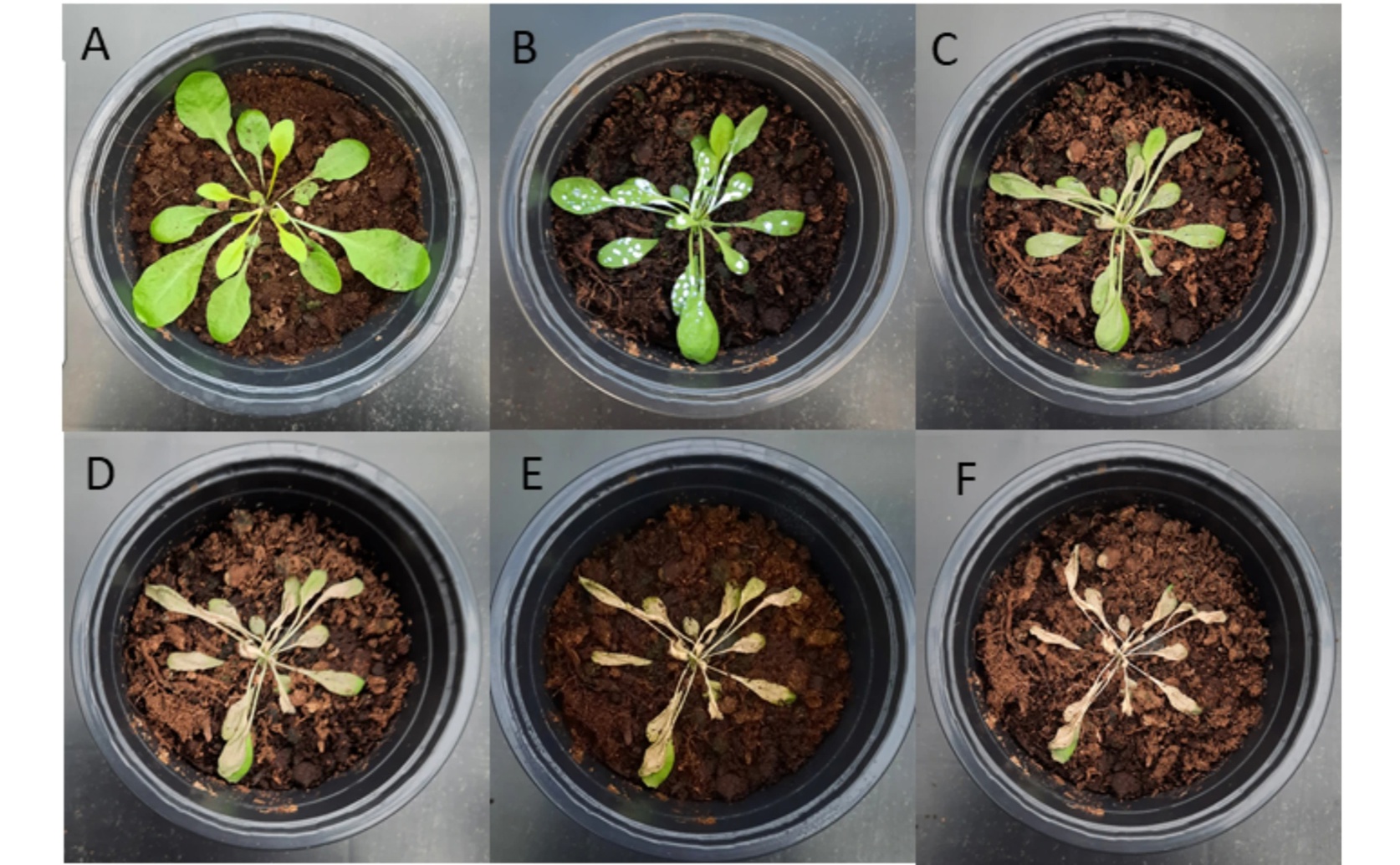
The application of cinnamon essential oil induced a rapid and severe phytotoxic response in Arabidopsis thaliana, progressing from initial leaf wilting within one hour (C) to complete plant desiccation and discoloration over 48 hours (F), confirming the treatment's potent contact herbicidal activity.

Image adapted from: Kaab et al. / CC BY (Source)

Key Findings

  • Researchers in Belgium found that cinnamon essential oil can effectively disrupt weed growth by altering key plant proteins
  • The oil reduces plants' ability to grow by hindering their metabolism and increases their stress levels, making it harder for weeds to survive
  • Using cinnamon oil as a natural herbicide offers an environmentally friendly alternative to chemical herbicides, helping preserve ecosystems
The widespread use of synthetic chemical herbicides in agriculture has led to significant environmental and health concerns. These chemicals are not only harmful to ecosystems but have also driven the evolution of herbicide-resistant weed populations, making weed management increasingly challenging[2][3]. In response to these issues, researchers at Gembloux Agro-Bio Tech, University of Liège, conducted a study to explore eco-friendly alternatives to conventional herbicides by evaluating the effects of cinnamon essential oil (CEO) on plant physiology[1]. The study focused on Arabidopsis thaliana, a model organism in plant biology, to understand how CEO impacts plant proteins. Proteins are crucial molecules that perform a wide range of functions within cells, including maintaining cell structure, facilitating chemical reactions, and responding to environmental stresses. By examining the proteomic response, the researchers aimed to identify specific changes in protein expression caused by CEO application. Upon treating A. thaliana leaves with a 6% CEO emulsion, the researchers observed significant alterations in the plant's proteomic profile. Membrane proteins, which are essential for maintaining cell integrity and facilitating communication between cells, showed substantial changes. Additionally, proteins involved in photosynthesis, the process by which plants convert light energy into chemical energy, were notably affected. These disruptions suggest that CEO interferes with critical cellular functions, leading to impaired plant growth and development. A total of 40 proteins were identified as the most differentially accumulated in the treated plants. The study found that CEO application decreased the expression of proteins associated with both catabolism and anabolism. Catabolism involves the breakdown of complex molecules to release energy, while anabolism refers to the synthesis of complex molecules needed for growth and repair. By inhibiting these processes, CEO effectively hampers the plant's ability to maintain its metabolism and growth. Conversely, CEO treatment increased the expression levels of proteins involved in the response to oxidative stress. Oxidative stress occurs when there is an imbalance between the production of reactive oxygen species (ROS) and the plant's ability to detoxify these harmful molecules. Elevated ROS levels can cause significant damage to cellular components, including DNA, proteins, and lipids. The increased expression of oxidative stress response proteins indicates that CEO induces a stress condition in the plants, further contributing to their impaired growth. The findings of this study align with previous research emphasizing the need for alternative weed management strategies. Traditional herbicides often target specific sites within plant cells, leading to the development of resistant weed species[3]. In contrast, bioherbicides like CEO operate through multiple modes of action, reducing the likelihood of resistance development. This multisite action disrupts various physiological processes in weeds, making it harder for them to adapt and survive[4][5]. Moreover, the use of CEO as a bioherbicide addresses the environmental concerns associated with synthetic herbicides. Unlike chemical herbicides, which can persist in the environment and harm non-target organisms, essential oils are biodegradable and less toxic. This makes them a more sustainable option for weed management, contributing to the preservation of biodiversity and ecosystem health[2]. The study also highlights the potential of natural phytotoxins in developing new herbicide modes of action. As mentioned in earlier research, the structural diversity and biological activity of natural compounds like essential oils offer promising avenues for creating effective and environmentally friendly herbicides[5]. By identifying how CEO affects plant proteins, the researchers provide valuable insights that could inform the design of new bioherbicidal products with novel targets. In practical terms, the application of CEO in agricultural settings could lead to more sustainable farming practices. By reducing reliance on synthetic herbicides, farmers can mitigate the negative impacts on soil health, water quality, and non-target species. Additionally, bioherbicides like CEO can complement integrated weed management strategies, which combine biological, mechanical, and chemical methods to control weed populations more effectively[4]. However, the transition to bioherbicides also presents challenges. Ensuring the efficacy and consistency of natural products like CEO in diverse agricultural environments requires further research and development. Additionally, scaling up production and addressing cost-effectiveness are essential for widespread adoption by the farming community. Overall, the study conducted by Gembloux Agro-Bio Tech, University of Liège, demonstrates the potential of cinnamon essential oil as a viable alternative to conventional herbicides. By elucidating the proteomic changes in plants treated with CEO, the research contributes to our understanding of how natural compounds can be leveraged for sustainable agriculture. This approach not only addresses the immediate issues of herbicide resistance and environmental harm but also paves the way for future innovations in eco-friendly weed management solutions[2][3][4][5].

BiochemPlant ScienceSpices

References

Main Study

1) Label free quantitative proteomic analysis reveals the physiological and biochemical responses of Arabidopsis thaliana to cinnamon essential oil.

Published 20th February, 2025

https://doi.org/10.1038/s41598-025-89368-4


Related Studies

2) Herbicide resistance and biodiversity: agronomic and environmental aspects of genetically modified herbicide-resistant plants.

https://doi.org/10.1186/s12302-016-0100-y


3) Global perspective of herbicide-resistant weeds.

https://doi.org/10.1002/ps.3696


4) Bioherbicides: Current knowledge on weed control mechanism.

https://doi.org/10.1016/j.ecoenv.2018.04.018


5) Natural compounds as next-generation herbicides.

https://doi.org/10.1104/pp.114.239061


Related Articles

An unhandled error has occurred. Reload 🗙