Using Subcritical Water to Extract Turmeric: A Molecular Dynamics Study

Jenn Hoskins
16th November, 2024

Using Subcritical Water to Extract Turmeric: A Molecular Dynamics Study

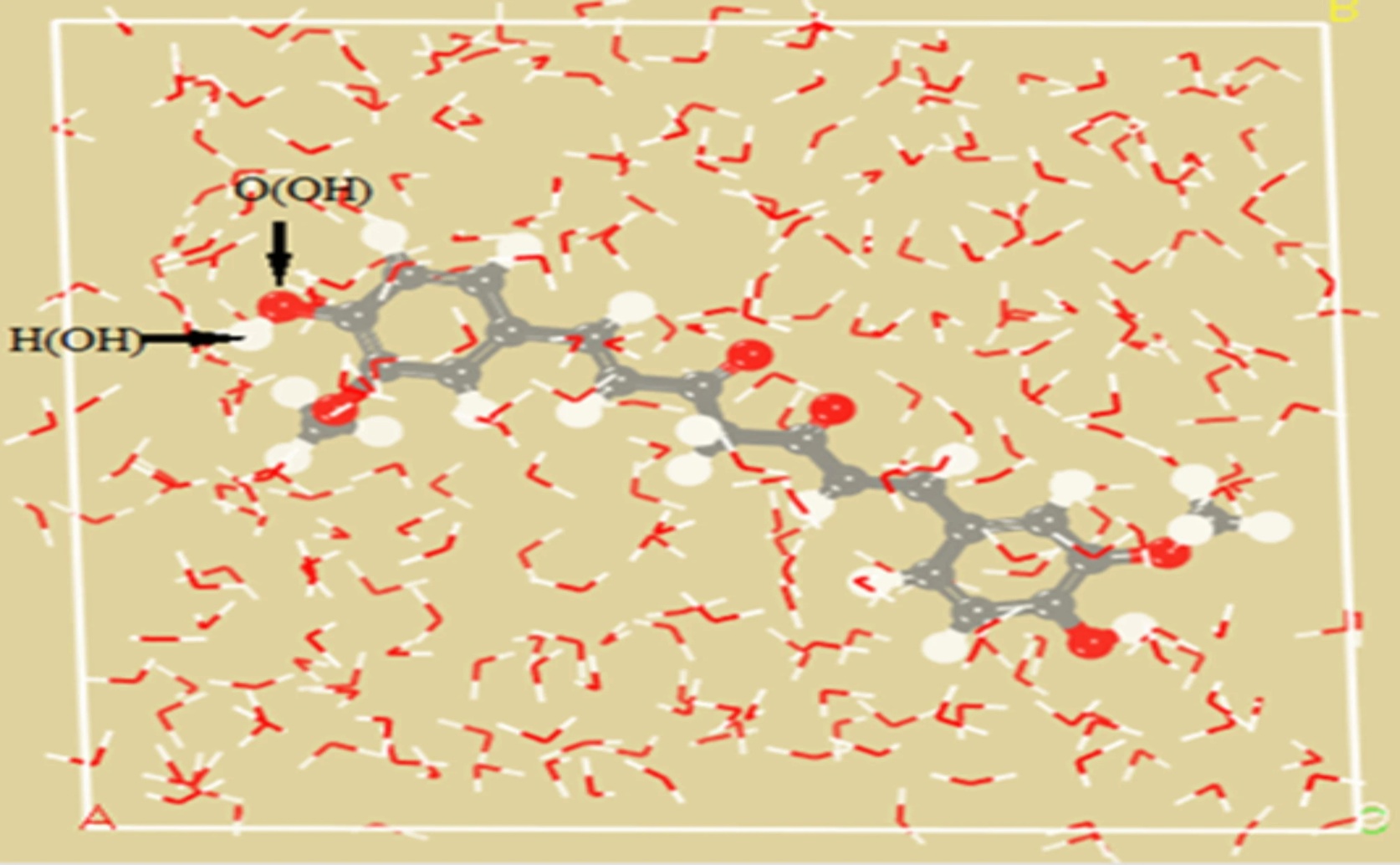
This molecular dynamics model from the study illustrates the simulation environment used to demonstrate that raising the temperature of subcritical water enhances the extraction of curcumin, the key bioactive compound in Turmeric (Curcuma longa L.).

Image adapted from: Gazmeh et al. / CC BY (Source)

Key Findings

  • Researchers from Semnan University explored a green method to extract curcumin using subcritical water
  • Higher temperatures increased curcumin extraction by weakening hydrogen bonds in water, making it a suitable solvent
  • This method could improve the availability and effectiveness of curcumin-based treatments
Curcumin, a bioactive compound extracted from turmeric (Curcuma longa L.), has garnered significant attention for its potent antioxidant and anti-inflammatory properties. These attributes make curcumin a promising candidate for treating various conditions, including cancer and microbial diseases. However, traditional extraction methods using organic solvents pose environmental and health concerns. To address this, researchers from Semnan University conducted a molecular dynamics simulation study to explore the extraction of curcumin using subcritical water, a green solvent[1]. The study utilized molecular dynamics simulations at constant pressure and varying temperatures, employing the Compass force field in the Lammps simulation package. The results demonstrated a notable increase in the amount of curcumin extracted with rising temperature. This increase is attributed to the weakening of hydrogen bonds in water molecules, causing water to lose its polar state and become a suitable non-polar solvent for extracting non-polar compounds like curcumin. This research builds on previous findings about curcumin's potential and extraction methods. For instance, earlier studies have highlighted curcumin's poor aqueous solubility, which limits its bioavailability when administered orally[2]. To overcome this, a novel curcumin nanoparticle system (CURN) was developed, which improved curcumin's physicochemical properties and enhanced its dissolution rate. The current study complements this by providing an environmentally friendly extraction method that could potentially yield higher amounts of curcumin, thus supporting the development of more effective curcumin-based therapeutics. Another study focused on optimizing subcritical water extraction (SWE) conditions to maximize curcumin yield[3]. This study identified optimal extraction parameters, such as pressure, temperature, particle size, and retention time, achieving a maximum curcumin yield of 3.8wt%. The molecular dynamics simulation study from Semnan University aligns with these findings by confirming that higher temperatures enhance curcumin extraction, thus validating the effectiveness of SWE as a viable extraction method. The importance of curcumin in modern medicine cannot be overstated. Over the past two decades, more than 6000 articles have discussed its molecular basis and therapeutic potential for various chronic conditions, including autoimmune, cardiovascular, neurological, and psychological diseases, as well as diabetes and cancer[4]. The molecular dynamics simulation study not only supports these findings but also offers a sustainable extraction method that could facilitate the broader application of curcumin in medical treatments. In summary, the molecular dynamics simulation study conducted by Semnan University provides valuable insights into the extraction of curcumin using subcritical water. By demonstrating that higher temperatures enhance curcumin extraction, the study offers a green, efficient method that could improve the availability and efficacy of curcumin-based therapeutics. This research, in conjunction with previous studies on curcumin's properties and extraction methods, underscores the compound's significant potential in modern medicine.

BiochemPlant ScienceSpices

References

Main Study

1) Molecular dynamics simulation of extraction of Curcuma longa L. extract using subcritical water.

Published 13th November, 2024

https://doi.org/10.1038/s41598-024-79582-x


Related Studies

2) Curcumin nanoparticles improve the physicochemical properties of curcumin and effectively enhance its antioxidant and antihepatoma activities.

https://doi.org/10.1021/jf100135h


3) High performance curcumin subcritical water extraction from turmeric (Curcuma longa L.).

https://doi.org/10.1016/j.jchromb.2016.04.021


4) Curcumin, a component of golden spice: from bedside to bench and back.

https://doi.org/10.1016/j.biotechadv.2014.04.004


Related Articles

An unhandled error has occurred. Reload 🗙