Sex Affects Genetic Structure in Fish

Jenn Hoskins
12th February, 2025

Sex Affects Genetic Structure in Fish

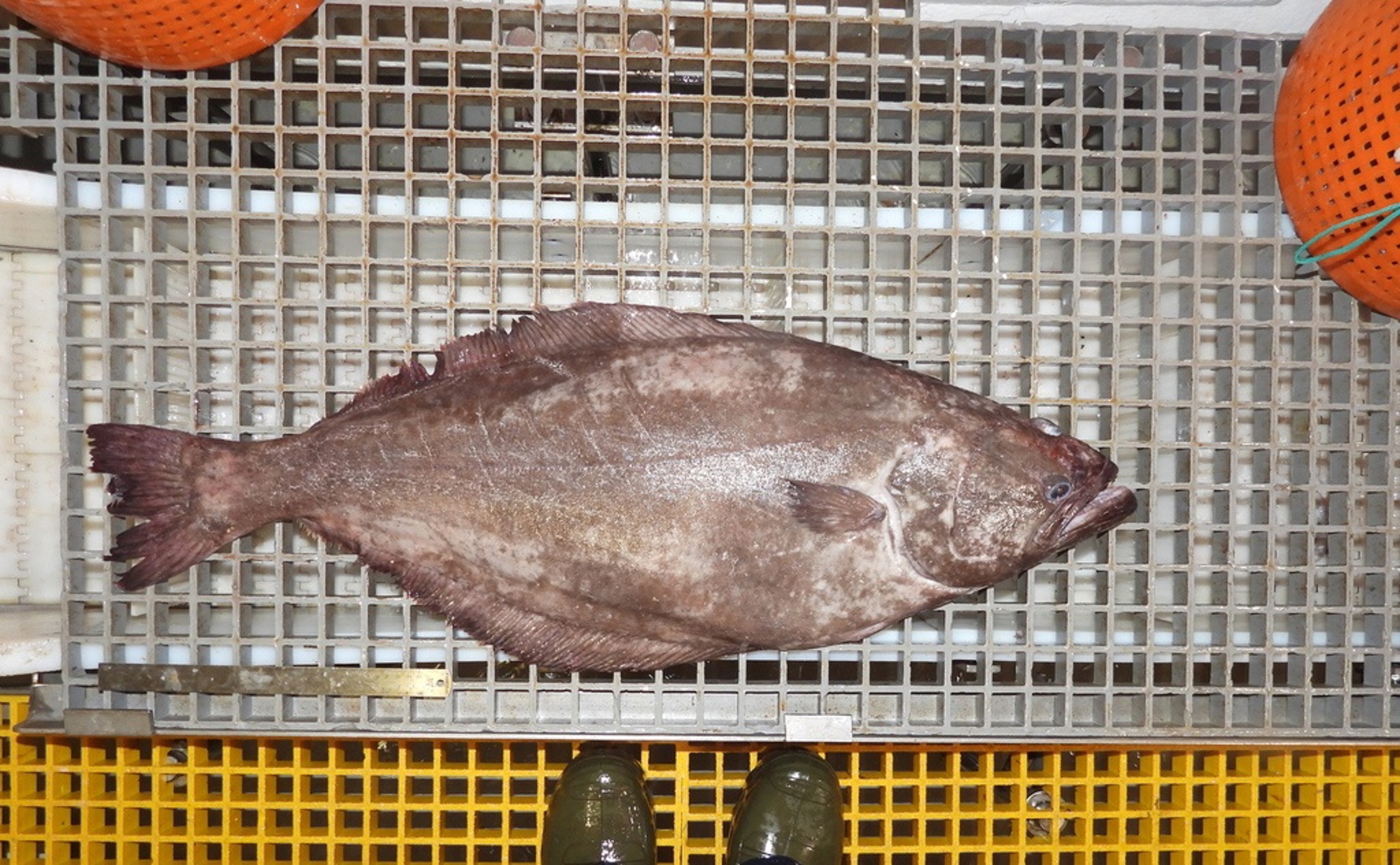
Greenland Halibut (Reinhardtius hippoglossoides)

Photo adapted from: Julien Savoie / CC BY (Source)

Key Findings

  • *In Greenland, scientists studied the genetics of Greenland halibut across the North Atlantic to aid fisheries management.*
  • *They discovered that sex-related genes made populations appear different between regions, but without these genes, halibut were more genetically similar.*
  • *This shows the importance of considering sex factors to accurately understand and conserve halibut populations.*
Understanding the population structure of commercially important species like the Greenland halibut (Reinhardtius hippoglossoides) is crucial for effective fisheries management and conservation. However, accurately determining this structure can be challenging, especially when genetic markers associated with sex influence the results. A recent study conducted by the Greenland Institute of Natural Resources[1] addresses this issue by investigating the genetic population structure of Greenland halibut across the North Atlantic and examining the role of sex-linked genetic markers in shaping these patterns. The research aimed to genotype Greenland halibut individuals from various locations across the North Atlantic using single nucleotide polymorphic (SNP) markers. SNPs are variations at a single position in the DNA sequence among individuals and are valuable for assessing genetic diversity and population structure. The study sought to evaluate whether the selected SNPs could reliably indicate population structure without being confounded by associations with sex. Initial analyses revealed that several of the SNP loci were located on sex-determining chromosomes. This discovery was significant because the inclusion of sex-linked markers led to the detection of apparent genetic structures predominantly in male populations. Specifically, males exhibited distinct genetic differences between eastern and western locations, suggesting an underlying variation in the sex-determination system across regions. When these sex-associated SNPs were excluded from the analysis, the observed population structure weakened, aligning more closely with an isolation-by-distance pattern. This pattern indicates that populations are more genetically similar the closer they are geographically, suggesting large regional populations on either side of the North Atlantic rather than multiple, highly differentiated stocks. The findings of this study resonate with previous research highlighting the impact of sex-linked markers on population genetic analyses. For instance, a study on American lobster and Arctic Char demonstrated how unbalanced sex ratios and sex-linked markers could lead to misleading interpretations of population structure[2]. Similarly, research on Greenland halibut by the same institution previously identified two main breeding stocks contributing to nurseries, emphasizing the importance of considering sex-linked markers and temporal variations[3]. Additionally, studies on the evolution of sex-determination systems in related species, such as Atlantic halibut, have shown that changes in sex-determining genes can significantly influence genetic diversity and population structure[4]. The methodology employed in the main study involved genotyping a substantial number of individuals from multiple locations, ensuring a comprehensive representation of the species' range. By carefully selecting SNP markers and analyzing their associations with sex, the researchers were able to discern genuine population structure from patterns driven by sex-linked genetic variation. This approach underscores the necessity of incorporating sex information in genetic studies to avoid biases and obtain accurate insights into population dynamics. One of the critical implications of this research is the evidence suggesting an evolving sex-determination system in Greenland halibut. The differentiation of males between eastern and western locations points to potential evolutionary changes in how sex is determined within the species. This evolution could be driven by various factors, including environmental pressures or genetic drift, leading to region-specific adaptations in sex determination mechanisms. Understanding these changes is essential for predicting how populations may respond to future environmental changes and for developing strategies to sustain their genetic diversity. Furthermore, the study highlights the broader significance of documenting sex-based differences in genetic research. As noted in earlier studies, the omission of sex information can result in incomplete or skewed interpretations of genetic data[2][3]. By demonstrating how sex-linked markers can influence perceived population structure, the Greenland Institute of Natural Resources emphasizes the need for comprehensive data collection that includes individual sex information. This practice not only enhances the accuracy of population genetic studies but also contributes to a deeper understanding of the genomic architecture underlying sex determination. The research also calls for a more nuanced examination of genomic architecture across the entire distribution of sexually dimorphic species. By expanding the scope of genomic studies to encompass diverse populations, scientists can better grasp the variability and evolution of sex-determination systems. Such insights are vital for conserving genetic diversity and ensuring the resilience of species facing environmental and anthropogenic challenges. In conclusion, the study conducted by the Greenland Institute of Natural Resources advances our understanding of the population structure of Greenland halibut by disentangling the effects of sex-linked genetic markers from true population differentiation. By meticulously analyzing SNP markers and accounting for sex associations, the research provides a clearer picture of the genetic landscape of this commercially important species. This work not only informs fisheries management practices by identifying the primary contributing stocks to nurseries but also sets a precedent for incorporating sex information in genetic studies of other marine and diadromous species. Future research building on these findings will further elucidate the complexities of sex determination and its impact on population genetics, ultimately contributing to more effective conservation and management strategies.

GeneticsMarine Biology

References

Main Study

1) Sex Influences the Genetic Structure of Greenland Halibut in the North Atlantic.

Published 11th February, 2025

https://doi.org/10.1002/ece3.70822


Related Studies

2) Sex matters in massive parallel sequencing: Evidence for biases in genetic parameter estimation and investigation of sex determination systems.

https://doi.org/10.1111/mec.14217


3) Estimating the contribution of Greenland Halibut (Reinhardtius hippoglossoides) stocks to nurseries by means of genotyping-by-sequencing: Sex and time matter.

https://doi.org/10.1111/eva.12979


4) Chromosome level reference of Atlantic halibut Hippoglossus hippoglossus provides insight into the evolution of sexual determination systems.

https://doi.org/10.1111/1755-0998.13369


Related Articles

An unhandled error has occurred. Reload 🗙