Detailed Study of Two Parasite Species in Mullets and Their Geographic Spread

Jim Crocker
27th January, 2025

Detailed Study of Two Parasite Species in Mullets and Their Geographic Spread

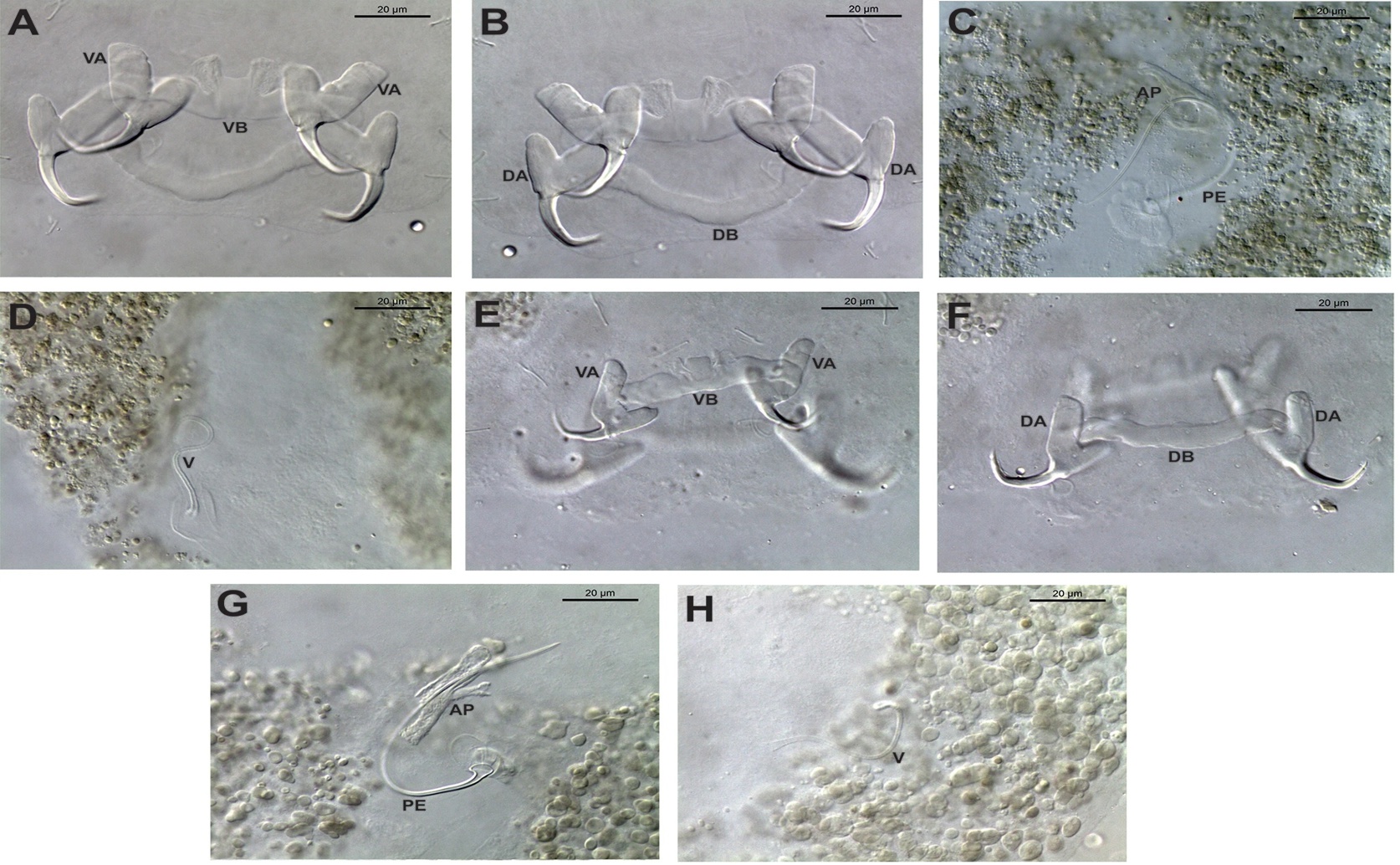
Microscopic images reveal key morphological differences between the parasitic worms Ligophorus mediterraneus (a–d) and L. yucatanensis (e–h), particularly in the distinct shapes of their male copulatory organs (c, g), which were crucial for confirming their identification.

Image adapted from: Andrade-Gómez et al. / CC BY (Source)

Key Findings

  • Researchers studied parasites in mullets off the Northern Yucatán Peninsula
  • They discovered two species of Ligophorus: L. mediterraneus and a new species, L. yucatanensis
  • L. yucatanensis is unique to the Yucatán Peninsula, highlighting the region's unique marine biodiversity
The study conducted by researchers at the Escuela Nacional de Estudios Superiores Unidad Mérida[1] focuses on the genus Ligophorus, a group of monogenean parasites that infect the gills of mullets (Mugilidae). While Ligophorus species are primarily found in the western Pacific and the Mediterranean Sea, only a handful have been reported in the Americas. The new research aimed to identify and analyze Ligophorus species parasitizing mullets in the Northern Yucatán Peninsula. The researchers collected specimens from two species of mullets: the stripped mullet (Mugil cephalus) and the silver mullet (M. curema). They examined the morphology of the parasites and obtained 28S and ITS rDNA sequences to compare with existing sequences from GenBank. The study discovered two species of Ligophorus in the region. The first, L. mediterraneus, was found parasitizing the stripped mullet off the coast of Celestún. This species is known for its wide distribution, having been previously recorded in the Mediterranean Sea. The second species, L. yucatanensis, was identified parasitizing the silver mullet in four coastal lagoons of the Yucatán Peninsula. This species is newly reported and appears to be endemic to the region. The findings of this study are significant as they contribute to the understanding of the distribution and diversity of Ligophorus species in the Americas. The discovery of L. yucatanensis as an endemic species highlights the unique biodiversity of the Yucatán Peninsula's coastal lagoons. Previous studies have laid the groundwork for this research. For instance, the taxonomic framework and interspecific relationships of Ligophorus have been evaluated using molecular data, confirming the genus's position within the marine Ancyrocephalinae[2]. This earlier work also demonstrated the utility of 28S and ITS1 rDNA sequences in distinguishing between Ligophorus species, which was crucial for the current study's methodology. Additionally, the research on anchor morphometry and its correlation with phylogeny in Ligophorus species has provided valuable insights into the evolutionary processes shaping these parasites[3]. The current study builds on these findings by using morphological and molecular characters to identify and describe new species. In conclusion, the research conducted by the Escuela Nacional de Estudios Superiores Unidad Mérida has expanded the knowledge of Ligophorus species in the Americas, demonstrating the importance of combining morphological and molecular data in taxonomic studies. The discovery of L. yucatanensis as an endemic species underscores the need for further exploration and conservation of the unique marine biodiversity in the Yucatán Peninsula.

GeneticsAnimal ScienceMarine Biology

References

Main Study

1) Morphological and Molecular Characterization of Two Species of Ligophorus (Monogenea: Ancyrocephalidae) in Mullets from the Yucatán Peninsula, with Comments on the Geographical Distribution of L. mediterraneus.

Published 24th January, 2025

https://doi.org/10.1007/s11686-024-00953-5


Related Studies

2) Molecular phylogeny of species of Ligophorus (Monogenea: Dactylogyridae) and their affinities within the Dactylogyridae.

https://doi.org/10.1016/j.parint.2012.06.004


3) Monogenean anchor morphometry: systematic value, phylogenetic signal, and evolution.

https://doi.org/10.7717/peerj.1668


Related Articles

An unhandled error has occurred. Reload 🗙