
How Domestication Changes the DNA of Seabass and Their Adaptation to Captivity
Jenn Hoskins
5th December, 2024


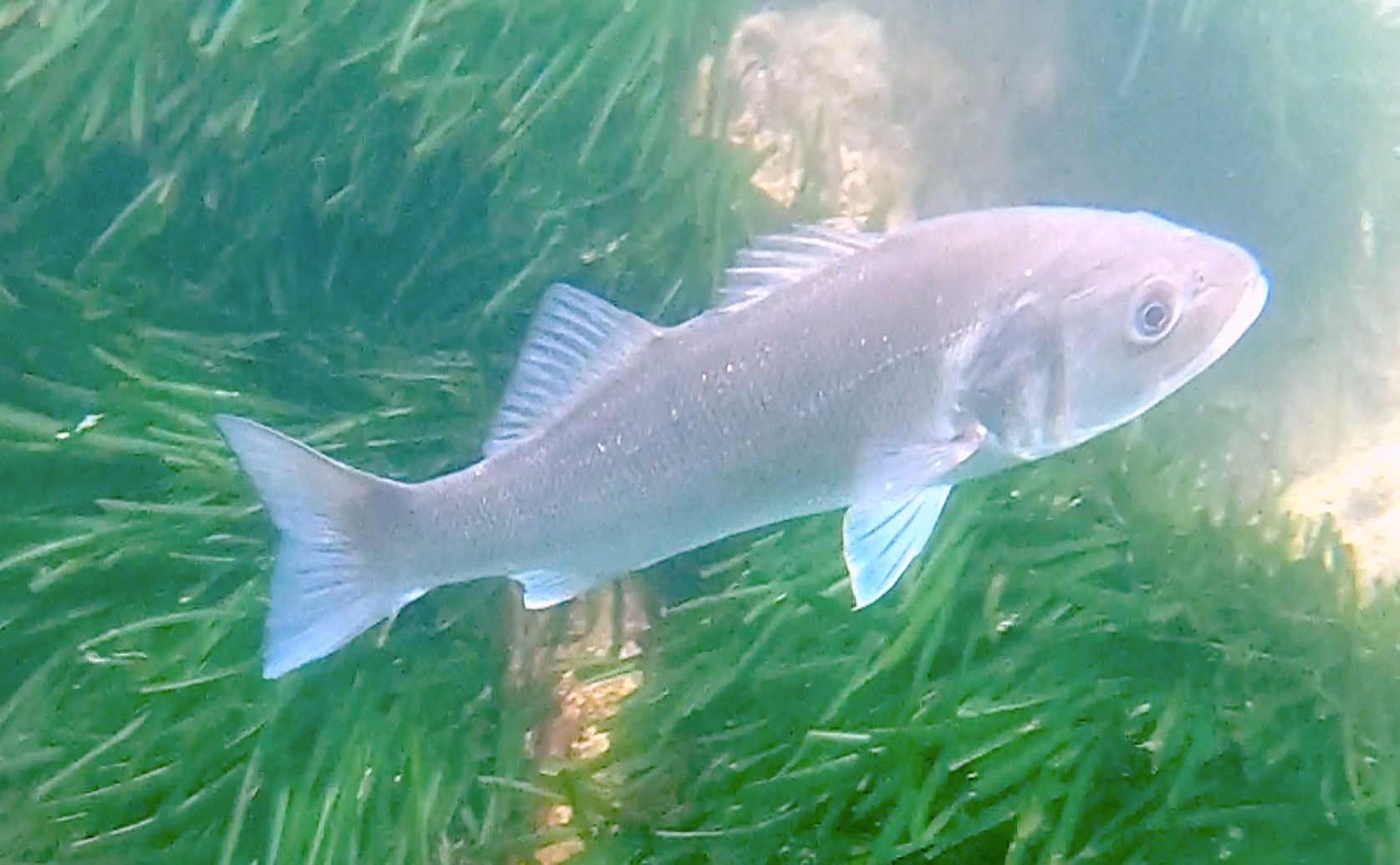
Key Findings
- Researchers at Aristotle University of Thessaloniki studied the genetic and epigenetic mechanisms behind the domestication of European seabass
- They identified 96 candidate genes and nine CpG islands, suggesting epigenetic influences in the domestication process
- The study found that enzymes involved in oxidative stress responses and chromatin organization play crucial roles in seabass adaptation
GeneticsAnimal ScienceMarine Biology
References
Main Study
1) Genomic Signatures of Domestication in European Seabass (Dicentrarchus labrax L.) Reveal a Potential Role for Epigenetic Regulation in Adaptation to Captivity.
Published 4th December, 2024
https://doi.org/10.1002/ece3.70512
Related Studies
2) Genomics for monitoring and understanding species responses to global climate change.
3) Epigenetics in teleost fish: From molecular mechanisms to physiological phenotypes.
Related Articles
 7th July, 2024 | Jenn Hoskins