How Different Tomato Varieties Affect Tomato Leaf Miner Response

Jenn Hoskins
15th November, 2024

How Different Tomato Varieties Affect Tomato Leaf Miner Response

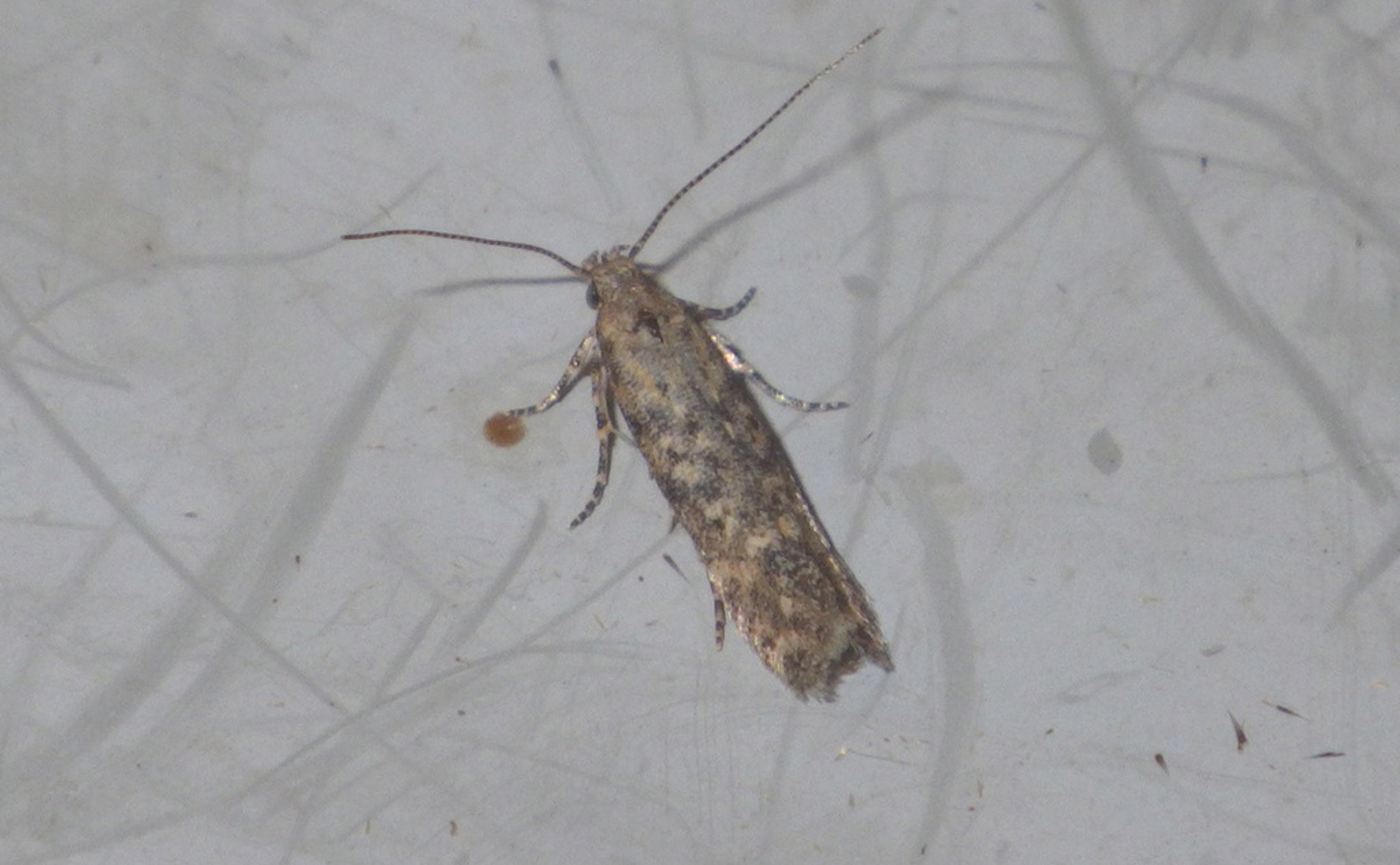
Wild tomato species (Solanum arcanum and S. neorickii) and the domesticated Corona F1 variety demonstrate significant resistance against the invasive tomato leaf miner (Phthorimaea absoluta, pictured) by impairing larval development, making them valuable candidates for breeding pest-resistant crops.

Photographer: Andreas Manz

Key Findings

  • The study by Agroscope identified tomato varieties that resist the destructive tomato leaf miner pest
  • Wild tomato species S. arcanum and S. neorickii, and the domesticated variety Corona F1, hindered larval development and reduced egg-laying by female moths
  • These resistant tomato varieties could help develop new plants that reduce reliance on chemical insecticides, promoting sustainable agriculture
Phthorimaea absoluta, commonly known as the tomato leaf miner, is a highly destructive pest that threatens tomato production worldwide. This pest's ability to cause extensive damage has led to a heavy reliance on chemical insecticides, which poses environmental and health risks. Thus, exploring alternative control methods, such as host plant resistance, is crucial. A recent study conducted by Agroscope has provided valuable insights into identifying tomato cultivars that exhibit resistance to P. absoluta, which could contribute to sustainable integrated pest management (IPM) practices[1]. In this study, researchers evaluated the effects of 19 tomato genotypes, including 16 domesticated varieties and three wild species, on the oviposition (egg-laying) behavior of female P. absoluta and the performance of larvae under controlled conditions. The researchers also examined the types and densities of trichomes (hair-like structures on plant surfaces) on the tomato leaves to determine their potential correlation with pest resistance. The results revealed that wild tomato species Solanum arcanum and S. neorickii, along with the domesticated variety Corona F1, significantly impaired larval development. Specifically, these genotypes resulted in fewer eggs being laid by female moths and limited the area of leaflets consumed by larvae. Consequently, the larvae that fed on these plants had the lowest weights in both male and female pupae stages. This indicates that these genotypes could be valuable sources for breeding programs aimed at developing P. absoluta-resistant tomato plants. The study also found that all tomato plants exhibited a higher prevalence of nonglandular trichomes compared to glandular trichomes, except for S. arcanum, which had a higher abundance of glandular trichomes. Interestingly, while higher trichome density was associated with longer larval settlement on the leaflets, it did not influence female oviposition. This suggests that factors other than trichome density may play a more significant role in deterring egg-laying by P. absoluta. These findings align with previous research indicating that plants have evolved a range of defenses to counteract herbivore attacks[2][3]. For instance, plants can produce defensive compounds either constitutively (always present) or in response to damage, affecting the feeding, growth, and survival of herbivores[2]. Additionally, plant secondary metabolites, which play a crucial role in direct and indirect defenses, can influence the behavior and performance of both herbivores and their natural enemies[4]. The current study expands on this knowledge by highlighting specific tomato genotypes that exhibit resistance traits against P. absoluta, thereby offering potential alternatives to chemical insecticides. Moreover, the study underscores the importance of understanding the underlying mechanisms of plant defense to exploit these traits in crop breeding effectively[3]. By identifying and incorporating these resistant traits into new tomato cultivars, it is possible to reduce the reliance on chemical inputs and promote sustainable agriculture. In conclusion, the research conducted by Agroscope demonstrates that wild tomato species S. arcanum and S. neorickii, as well as the domesticated variety Corona F1, could serve as valuable sources for breeding P. absoluta-resistant tomato plants. This study provides a promising avenue for developing sustainable IPM strategies, reducing the need for chemical insecticides, and ultimately contributing to more resilient and productive tomato crops.

AgricultureGeneticsPlant Science

References

Main Study

1) Response of the tomato leaf miner Phthorimaea absoluta to wild and domesticated tomato genotypes.

Published 12th November, 2024

https://doi.org/10.1002/ps.8534


Related Studies

2) Mechanisms of plant defense against insect herbivores.

https://doi.org/10.4161/psb.21663


3) Plant Defense against Herbivorous Pests: Exploiting Resistance and Tolerance Traits for Sustainable Crop Protection.

https://doi.org/10.3389/fpls.2016.01132


4) Direct and indirect chemical defences against insects in a multitrophic framework.

https://doi.org/10.1111/pce.12318


Related Articles

An unhandled error has occurred. Reload 🗙