Mapping Disease Resistance Genes in Sour Cherry

Greg Howard
8th October, 2024

Mapping Disease Resistance Genes in Sour Cherry

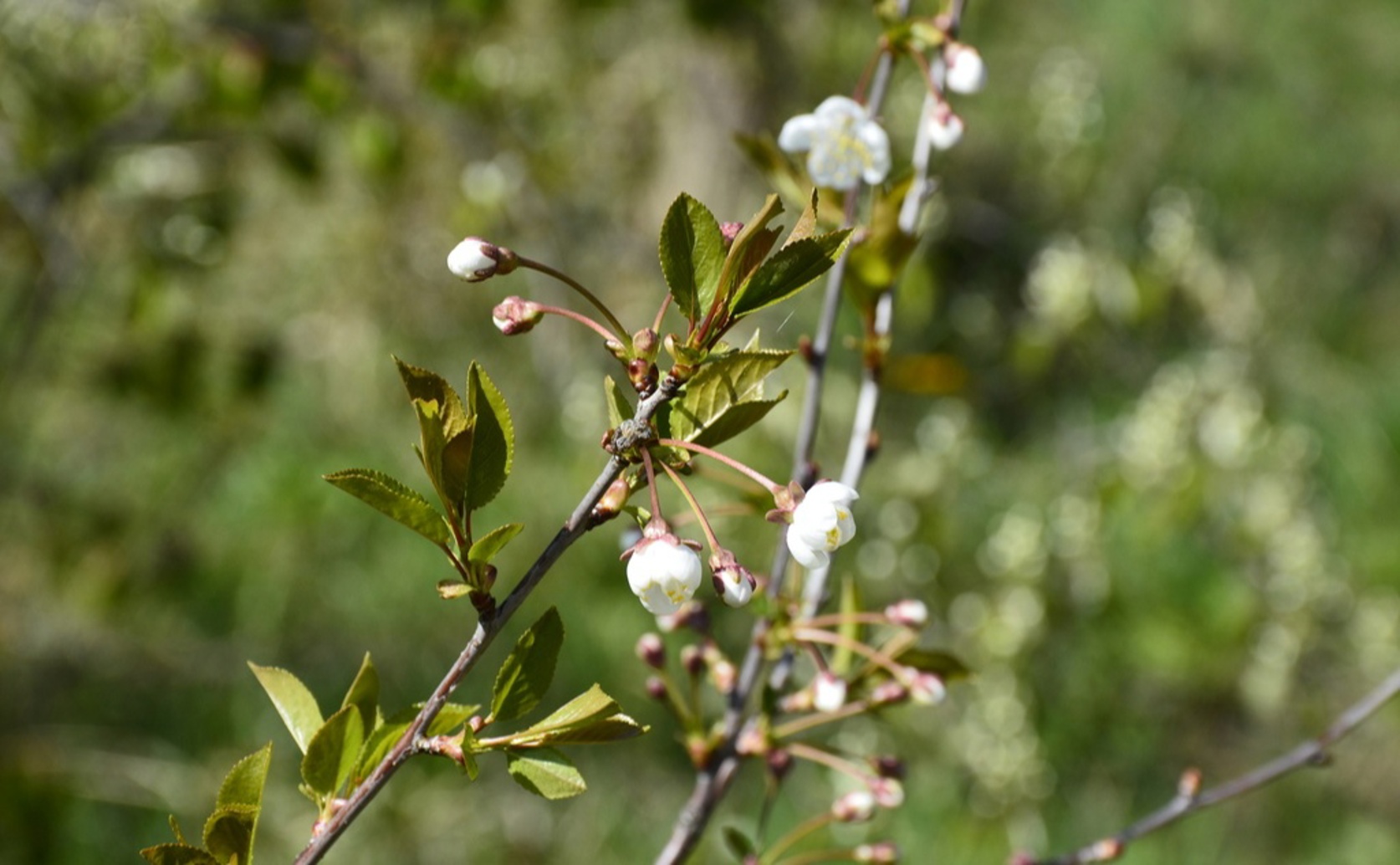
Sour Cherry (Prunus cerasus)

Photographer: Игорь Загребин

Key Findings

  • The study from the Julius Kühn Institute analyzed disease resistance genes in sour cherry's avium and fruticosa subgenomes
  • Researchers identified over 19,000 resistance gene transcripts in each subgenome, with around 800 complete resistance genes in both
  • The study found unique distributions and types of resistance genes in each subgenome, highlighting their different contributions to disease resistance
Breeding crops to improve their traits often takes considerable time and resources. One method to accelerate this process is speed breeding (SB), which uses photoperiod extension, temperature control, and early seed harvest to shorten the generation cycle of plants[2]. While SB has been successful with long-day plants and is being adapted for short-day plants, challenges remain in its application across diverse crops. This study from the Julius Kühn Institute (JKI) focuses on understanding disease resistance in sour cherry (Prunus cerasus) by analyzing the presence and distribution of resistance genes in its subgenomes[1]. Sour cherry evolved through hybridization between the tetraploid ground cherry (Prunus fruticosa) and the diploid sweet cherry (Prunus avium)[3]. This hybridization has created a complex genome structure that poses challenges for breeding. The study aimed to identify resistance genes within the avium and fruticosa subgenomes of Prunus cerasus, which could provide insights into improving disease resistance in cherry species. The researchers used computational methods and bioinformatics tools to analyze genome and transcriptome sequencing data. They found 19,570 transcripts with at least one resistance gene domain in the avium subgenome and 19,142 in the fruticosa subgenome. Among these, they identified 804 "complete" resistance gene transcripts in the avium subgenome and 817 in the fruticosa subgenome. These resistance genes are crucial for the plant's ability to fend off diseases. The study also highlighted the distinct distributions of resistance gene classes between the two subgenomes. Phylogenetic analysis showed clustering of resistance genes, and unique resistance proteins were identified in each subgenome. This suggests that both subgenomes contribute differently to the plant's overall disease resistance. Comparing these findings with the model plant Arabidopsis thaliana, the researchers noted both shared and unique resistance genes. This comparison emphasized the complexity of disease resistance in cherry species. Additionally, they observed a higher diversity of receptor-like kinases (RLKs) and receptor-like proteins (RLPs) in sour cherry, with 504 transcripts identified and 18 showing similarity to known reference genes. RLKs and RLPs play essential roles in recognizing pathogens and initiating defense responses. The study's findings build on previous research into disease resistance in cherry species. For instance, earlier studies identified sources of resistance to bacterial canker in sweet cherry and its hybrids[4]. This research complements those efforts by providing a deeper understanding of the genetic basis of resistance in sour cherry. By identifying specific resistance genes and their distributions, the study offers valuable information that can be used to develop more resistant cherry varieties. Moreover, the study's approach of using advanced genomic tools aligns with efforts in other crops, such as apples, where early flowering transgenic lines have been used to speed up breeding for disease resistance[5]. By integrating these advanced techniques, researchers can more efficiently introduce desirable traits into commercial germplasm. In conclusion, this study from the Julius Kühn Institute provides crucial insights into the genetic basis of disease resistance in sour cherry. By identifying and analyzing resistance genes in the avium and fruticosa subgenomes, the research offers valuable information for breeding more resistant cherry varieties. This work, combined with previous studies on disease resistance and advanced breeding techniques, paves the way for significant improvements in cherry cultivation.

AgricultureGeneticsPlant Science

References

Main Study

1) A landscape of resistance gene analogs in sour cherry (Prunus cerasus L.).

Published 6th October, 2024

https://doi.org/10.1186/s13104-024-06952-z


Related Studies

2) Breeding More Crops in Less Time: A Perspective on Speed Breeding.

https://doi.org/10.3390/biology11020275


3) The structure of the tetraploid sour cherry 'Schattenmorelle' (Prunus cerasus L.) genome reveals insights into its segmental allopolyploid nature.

https://doi.org/10.3389/fpls.2023.1284478


4) Identifying resistance in wild and ornamental cherry towards bacterial canker caused by Pseudomonas syringae.

https://doi.org/10.1111/ppa.13513


5) Application of a high-speed breeding technology to apple (Malus × domestica) based on transgenic early flowering plants and marker-assisted selection.

https://doi.org/10.1111/j.1469-8137.2011.03813.x


Related Articles

An unhandled error has occurred. Reload 🗙