How Natural Light Intensity Affects Antioxidants and Essential Oils in Marjoram

Greg Howard
29th October, 2024

How Natural Light Intensity Affects Antioxidants and Essential Oils in Marjoram

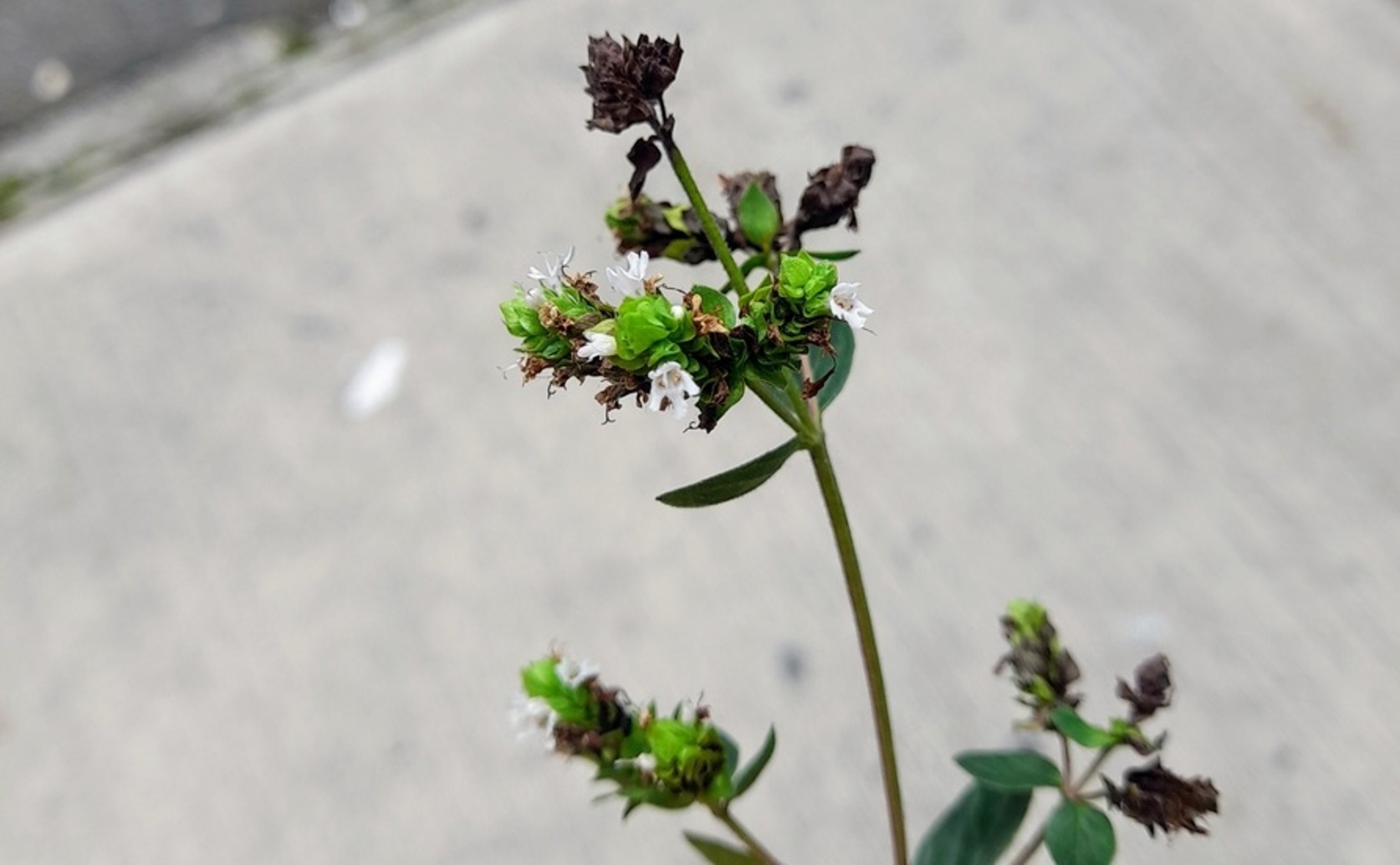
Sweet Marjoram (Origanum majorana)

Public Domain Photograph

Key Findings

  • The study by NIGEB explored how different light intensities affect sweet marjoram's growth and metabolite production
  • Higher light intensity increased total sugar and protein content, improving plant dry weight
  • Full light conditions caused oxidative stress, reducing essential oil production, while 70% light intensity optimized essential oil content
Light is a fundamental environmental factor for plants, affecting both their growth and the production of valuable metabolites. A recent study conducted by the National Institute of Genetic Engineering and Biotechnology (NIGEB) explored the impact of different light intensities on Origanum majorana L., commonly known as sweet marjoram[1]. This research aimed to understand how varying light levels influence the plant's metabolite production, including total sugar content, protein, dry weight, antioxidant indices, gene expression related to monoterpene biosynthesis, and essential oil composition. The study subjected marjoram plants to four levels of light intensity: 20%, 50%, 70%, and 100% natural light over a 60-day period. The researchers employed a randomized complete block design and conducted statistical analysis to ensure the reliability of their findings. Results indicated that increased light intensity correlated with higher total sugar and protein content, which in turn contributed to improved plant dry weight. Specifically, under full light conditions (100%), the highest levels of hydrogen peroxide and malondialdehyde (MDA)—markers of oxidative stress—were observed. Enzymes like catalase and superoxide dismutase, which help mitigate oxidative stress, showed significant activity increases of 4.23-fold and 2.14-fold, respectively. Conversely, the activities of peroxidase and polyphenol oxidase enzymes decreased by 3.29-fold and 3.24-fold, respectively. The study also found that the expression of the 1-deoxy-D-xylulose 5-phosphate reductoisomerase (DXR) gene, crucial for monoterpene biosynthesis, increased with light intensity up to 70%. Beyond this point, DXR gene expression declined. Similarly, the cytochrome P450 genes CYP71D178 and CYP71D179 exhibited an increasing trend in response to elevated light intensity. Essential oil content showed a peak at 70% light intensity, increasing from 0.02% to 0.5%, but decreased significantly with further increases in light intensity. These findings are particularly relevant when considering earlier studies on Origanum majorana. Previous research has highlighted the plant's medicinal and aromatic properties, attributing its benefits to various secondary metabolites found in its essential oil[2]. The essential oil has been shown to possess insecticidal, repellent, and fumigant activities, making it a potential alternative to synthetic pesticides[2]. Another study emphasized the plant's traditional uses and pharmacological properties, including antimicrobial, antioxidant, and anti-inflammatory effects, among others[3]. These studies collectively underscore the importance of optimizing growth conditions to maximize the beneficial compounds in O. majorana. The current study expands on these earlier findings by demonstrating how light intensity can be manipulated to enhance specific plant traits. For instance, while full light conditions maximize biomass, they also induce oxidative stress and reduce essential oil production. This suggests a trade-off between growth promotion and stress management. Farmers aiming to cultivate sweet marjoram for its essential oils may benefit from growing the plants in unshaded fields to optimize biomass and then implementing shades that allow 70% light penetration towards the end of the growth cycle to maximize essential oil production. In summary, the research conducted by NIGEB highlights the complex relationship between light intensity and plant metabolite production in O. majorana. By understanding these dynamics, farmers and researchers can better optimize cultivation practices to enhance both biomass and the production of valuable secondary metabolites, thereby aligning agricultural practices with the plant's traditional and pharmacological applications. Further research could explore the specific duration and timing of shade implementation to refine these recommendations.

GeneticsBiochemPlant Science

References

Main Study

1) Varying levels of natural light intensity affect the phyto-biochemical compounds, antioxidant indices and genes involved in the monoterpene biosynthetic pathway of Origanum majorana L.

Published 28th October, 2024

https://doi.org/10.1186/s12870-024-05739-5


Related Studies

2) Origanum majorana Essential Oil-A Review of Its Chemical Profile and Pesticide Activity.

https://doi.org/10.3390/life12121982


3) Traditional use, phytochemistry, toxicology, and pharmacology of Origanum majorana L.

https://doi.org/10.1016/j.jep.2020.113318


Related Articles

An unhandled error has occurred. Reload 🗙