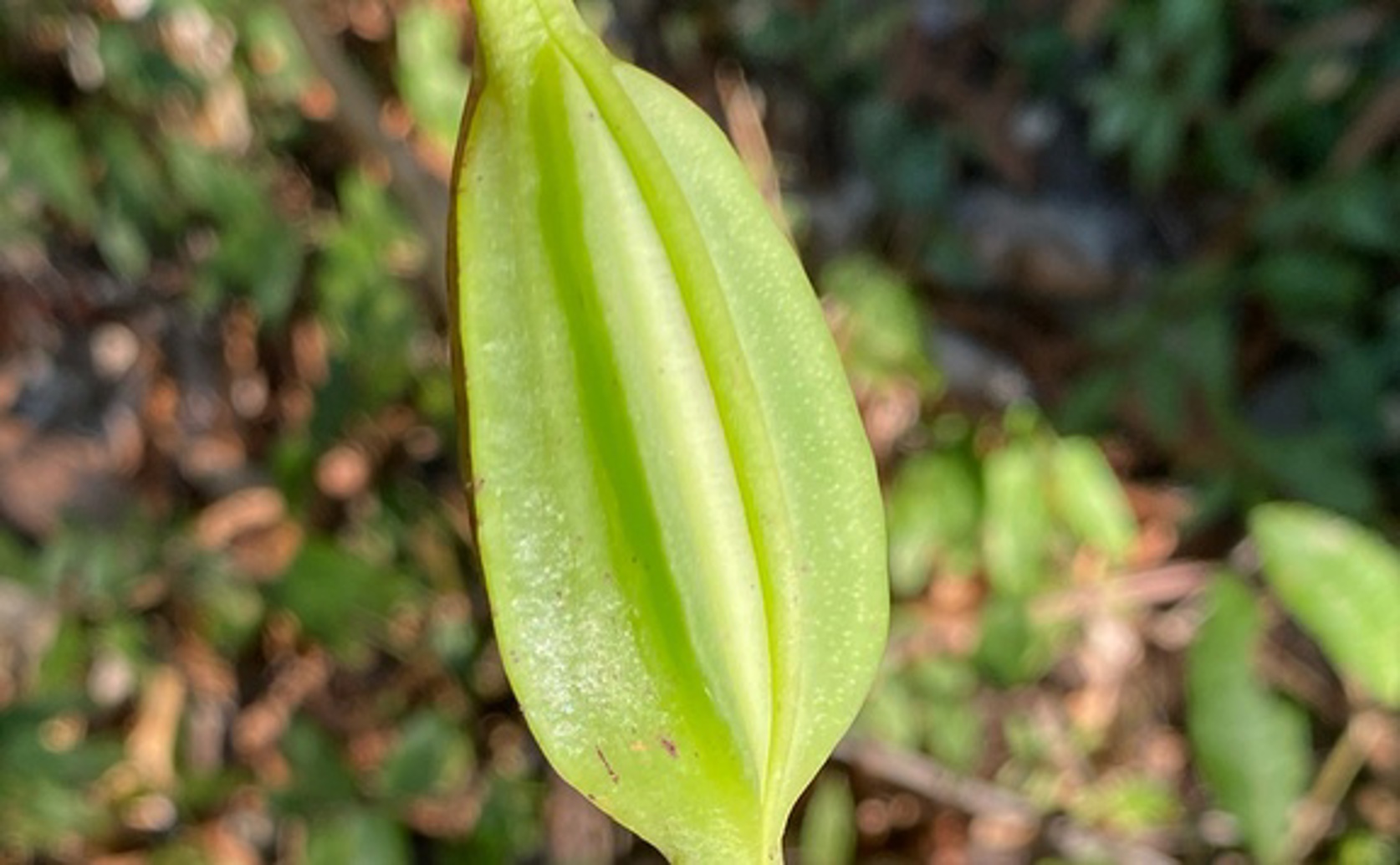
Growing Beautiful Orchids: Cattleya walkeriana investigated

Greg Howard
24th July, 2024

Growing Beautiful Orchids: Cattleya walkeriana investigated

Cattleya walkeriana

Photo adapted from: Rafael Silva / CC BY SA (Source)

Key Findings

  • Researchers at UFGD studied how different culture media, light levels, and sealing systems affect the growth of Cattleya walkeriana orchids
  • Using banana pulp in the culture medium improved in vitro growth, especially with higher light levels and conventional sealing
  • For better survival after transplanting, basic culture medium, lower light levels, and conventional sealing were most effective
Orchids are not only known for their stunning beauty but also for their significant commercial and therapeutic values. However, the alarming decline in orchid populations due to over-collection and habitat destruction has made their conservation a critical priority. Traditional propagation methods have proven inadequate in meeting the commercial and conservational demands for these plants. In vitro propagation methods like the semi-solid (SS) system and the temporary immersion system (TIS) have been explored to address these limitations, with TIS showing promise in reducing production costs and enabling large-scale automation[2]. A recent study conducted by researchers at the Universidade Federal da Grande Dourados (UFGD) aimed to evaluate the effects of various culture media, irradiance levels, and sealing systems on the in vitro and ex vitro growth of Cattleya walkeriana Gardner, a species of orchid[1]. This study is particularly relevant given that previous research has highlighted the need for effective conservation strategies and propagation techniques for orchids, especially those species that are evolutionarily distinct and at risk of extinction[3]. The researchers used the MS medium as the base culture medium, supplementing it with different concentrations of banana pulp and banana peel to create five different treatment groups. These were: MS with 150 g L-1 of banana pulp (P150), MS with 300 g L-1 of banana pulp (P300), MS with 150 g L-1 of banana peel (PE150), and MS with 300 g L-1 of banana peel (PE300). The control group used the MS medium without any supplements. Additionally, two irradiance levels were tested using 3000K LED lamps: 86 μmol m-2 s-1 (Irradiance-1) and 128 µmol m-2 s-1 (Irradiance-2). The study also compared conventional sealing systems (CSS) with gas exchange-enabled sealing systems (GESS). After 120 days of in vitro cultivation and 180 days of ex vitro cultivation, various growth parameters were measured, including pseudobulb number (PN), leaf number (LN), root number (RN), plant height (PH), pseudobulb diameter (PD), longest leaf (LL), root length (RL), fresh mass (TFM), and survival rate (%SURV). The results showed significant interactions between the culture medium, irradiance, and sealing system for all variables analyzed. For in vitro growth, the combination of the medium with up to 150 g L-1 of banana pulp, higher irradiance (Irradiance-2), and conventional sealing (CSS) provided the highest values for plant growth metrics. Conversely, for ex vitro survival and establishment, the best results were obtained with prior cultivation in the basic MS medium, lower irradiance (Irradiance-1), and CSS. This study demonstrates that the choice of culture medium, irradiance, and sealing system can significantly impact the growth and survival of Cattleya walkeriana both in vitro and ex vitro. The findings are particularly valuable for orchid conservation efforts, as they provide a framework for optimizing propagation techniques to produce healthy and viable plants. By using mediums supplemented with banana pulp, which is a cost-effective and readily available resource, the study offers a practical solution to some of the limitations of traditional propagation methods. Moreover, this study aligns with previous research that emphasizes the need for innovative approaches in orchid propagation to meet conservation goals. The use of banana pulp as a supplement in the culture medium not only enhances growth but also reduces costs, making large-scale propagation more feasible[2]. Additionally, the study's focus on optimizing irradiance and sealing systems complements earlier findings on the importance of environmental conditions in orchid cultivation[3]. In conclusion, the research conducted by UFGD provides valuable insights into the optimal conditions for the growth and survival of Cattleya walkeriana. By integrating findings from previous studies and introducing new variables such as banana pulp supplementation, the study offers a comprehensive approach to orchid propagation that could significantly aid in conservation efforts.

AgricultureBiochemPlant Science

References

Main Study

1) Cattleya walkeriana Gardner (Orchidaceae) propagation: culture medium, sealing system and irradiance.

Published 24th July, 2024

https://doi.org/10.1590/1519-6984.279803


Related Studies

2) Orchid Micropropagation Using Conventional Semi-Solid and Temporary Immersion Systems: A Review.

https://doi.org/10.3390/plants12051136


3) Global conservation prioritization for the Orchidaceae.

https://doi.org/10.1038/s41598-023-30177-y


Related Articles

An unhandled error has occurred. Reload 🗙